Eight Custom Glass Products Frequently Quoted for Seattle Projects
Seattle buyers usually search for a supplier who can do more than print a logo. The strongest sourcing fit is a manufacturer that can combine silkscreen printed glass with CNC cutting, drilling, tempering, edge finishing, AR/AG coating, optical polishing and export-grade packing. The eight products below reflect the custom capabilities most often reviewed for Seattle architecture, technology, marine, appliance, signage and instrument projects.
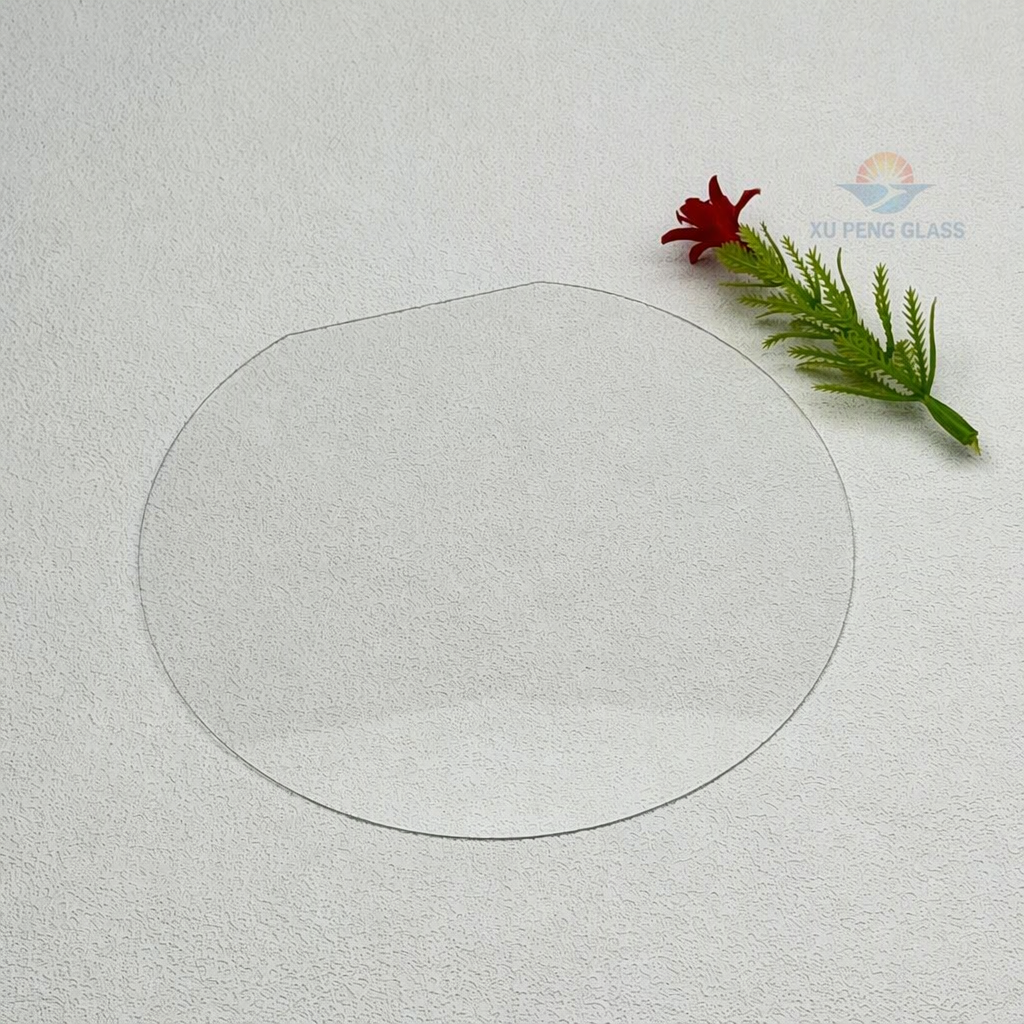
Ultra-thin High-precision Optical Glass Wafer, Corning / SCHOTT / Fused Silica
For photonics, sensor and semiconductor-related programs that need thin-wafer flatness, controlled surface quality and careful export packing. Thickness, flatness, edge profile and polishing route are confirmed against your drawing before production.

CNC Carved Low Iron Glass Sheet, High-temperature Screen Printed Tempered Glass, Drilled Glass Panel
A practical specification for Seattle architectural interiors, appliance fronts, elevator surrounds and wayfinding where clarity, CNC drill-outs and fired ceramic ink graphics must survive handling, cleaning and daily use.

Custom Ultra-White Clear Tempered Glass Socket Decorative Cover for Stairways
Decorative cover glass with custom cut-outs for multifamily, hospitality and stairwell lighting packages. Low-iron glass helps preserve the intended white appearance under Seattle’s cooler, diffuse daylight.
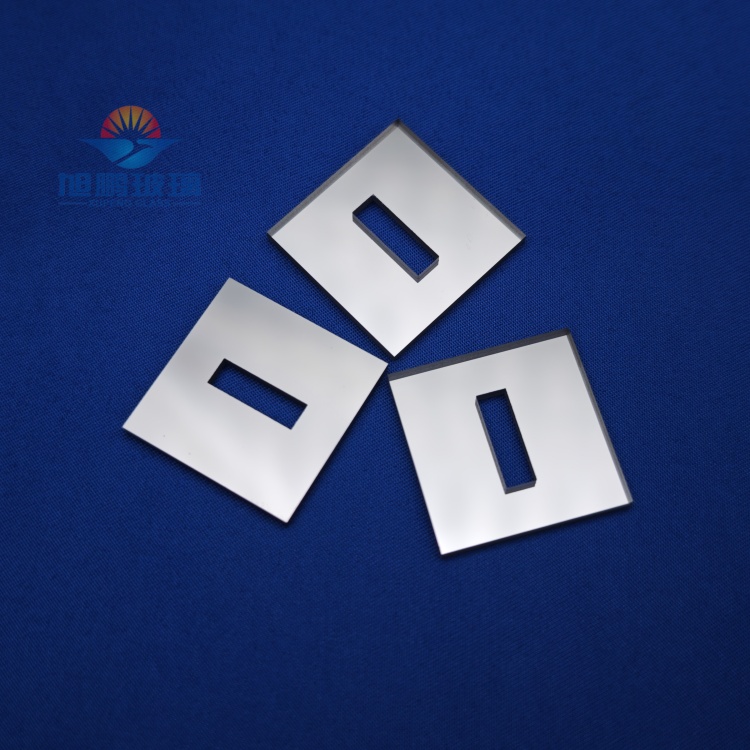
Silver-coated Mirror, Grooved at the Center of Glass
Center-grooved mirrored glass for feature walls, elevator interiors and fitted decorative assemblies. The mirrored surface, groove position, edge quality and protective packing are reviewed together to reduce installation rework.
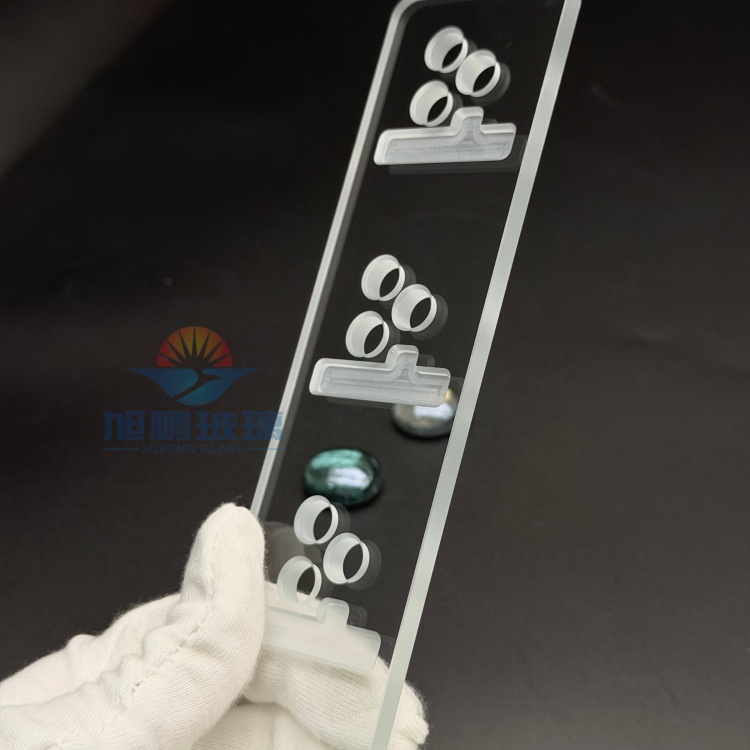
Ultra Clear High Light Transmission Tempered Glass Panel, CNC Arc Polishing, Drilling & Grooving
Low-iron tempered panels for display windows, appliance interfaces, backlit architectural details and protection covers. Drilling, grooving and edgework are completed before tempering so the final part is both clean-looking and production-ready.

High-transmittance AR Coated Optical Glass, Ultra-clear Tempered Glass
AR-coated glass for touch modules, instrument windows and high-contrast display stacks. It can be combined with printed borders, black windows and selective coating deletion so display performance and graphic design work together.

Wafer Glass Thickness Circuit Board Chip Solar Silicon Ingot Substrate
Technical glass substrates for circuit, chip, solar and semiconductor-related tooling. Thickness tolerance, flatness, surface condition and application environment are reviewed before a production route is proposed.

Corning EXG Glass Wafer Double-Sided Polished for Custom Semiconductor Glass Wafers & Solar Panels
Alkali-free EXG wafers double-side polished for semiconductor, MEMS, display and solar R&D programs. Export packing emphasizes surface protection, lot traceability and clean handling between factory and laboratory or fab.
Where Silkscreen Printed Glass Fits the Seattle Market
Seattle is a design-forward, engineering-heavy market where glass often has to perform three jobs at once: visual design, environmental durability and assembly compatibility. Printed glass is specified across King County and the Puget Sound region because it can carry durable graphics, define privacy zones, hide components and support brand identity without adding fragile applied films.
Architectural Glazing & Interiors
Seattle architects and interior teams use fritted glass for spandrel panels, conference walls, balcony guards, elevator interiors and privacy screens. Low-iron glass is often preferred when print colors or backlit graphics must read cleanly under overcast daylight. Safety glazing, edge quality and installation conditions should be confirmed with the project team and code official.
- Printed borders, dot patterns and gradient artwork
- CNC cut-outs, drill holes and polished edges
- Tempered or laminated build-ups by application
Marine & Waterfront Projects
Puget Sound waterfront hotels, ferry terminals, Ballard marine facilities and Everett boatyard projects face salt air, condensation and wind-driven rain. Glass itself is non-porous, but the full assembly must manage moisture at edges, hardware and coatings. For marine-facing locations, specify tempered glass, controlled edge finishing, compatible seals and a print surface that is protected by the installed orientation.
- Salt-air and condensation-conscious detailing
- Ceramic frit fused into glass instead of applied film
- Export packing that protects edges and print
Aerospace & Advanced Manufacturing
The Puget Sound aerospace supply chain and advanced manufacturing clusters often need cleanable control-panel overlays, inspection windows, instrument bezels and equipment guards. Screen-printed glass supports durable graphics and optical clarity, but the project should define print registration, edge chips acceptance, coating compatibility and packaging protection before the first article is approved.
- Instrument and inspection window glass
- Printed symbols, windows and indicator areas
- First-article review before volume shipment
Tech, Retail & Multifamily Amenities
South Lake Union, Redmond, Bellevue and downtown Seattle projects use printed glass for backlit logos, wayfinding, appliance interfaces, conference-room privacy and amenity branding. A single supplier that can print, temper, drill, edge and pack reduces coordination risk between the architect, fabricator, glazier and OEM assembly team.
- Backlit logos and illuminated signage
- Privacy patterns and decorative gradients
- Appliance and smart-control panel covers
Seattle Market Trends Shaping Printed Glass Specifications
Buyers in Seattle are not only comparing price per square meter. They are evaluating how quickly a supplier can interpret drawings, document material choices, protect printed surfaces during shipping and support installation teams that work in a wet, marine-influenced climate.
Low-Iron Clarity for Quieter Color
Diffuse daylight is common in the Pacific Northwest, and green edge tint can become more visible in white, grey and brand-color printed glass. Ultra-clear low-iron substrates help design teams keep colors closer to the intended palette, especially for backlit signage and white architectural finishes.
Bird-Friendly and Safety-Driven Design
Seattle projects increasingly discuss bird-friendly glazing patterns, visible markers and safety glazing in high-traffic areas. Ceramic frit can support pattern-based design, but the final pattern, coverage and safety build-up must be reviewed against the project’s approved glazing specification and local requirements.
Moisture-Resilient Assemblies
Wind-driven rain and condensation make edge protection, sealant compatibility and hardware selection important. Printed glass should be specified as part of the whole assembly, not as an isolated part. Clear drawings and installation notes reduce the risk of edge damage, delamination or coating damage on site.
Smaller, Faster Custom Batches
Seattle design and technology teams often iterate quickly. Suppliers that can discuss samples, pilot quantities and production drawings in parallel with the design schedule have an advantage. AUVE Glass reviews CAD, DXF or PDF drawings and typically responds to technical inquiries within about seven hours.
Engineering White Paper: Specifying Silkscreen Printed Glass for Pacific Northwest Conditions
A deep specification for procurement teams comparing silkscreen printed glass exporters serving Seattle, Bellevue, Redmond, Tacoma, Everett and the wider Puget Sound market.
Seattle is not a generic export destination. It is a design and manufacturing market shaped by marine air, short winter daylight, ambitious sustainability goals, seismic engineering, technology campuses and a waterfront economy. For buyers searching for a silkscreen printed glass exporter or exporters serving the Seattle market, the real question is not simply who can print a logo on glass. The important question is who can translate a drawing into a repeatable, export-ready part that installs cleanly in a Seattle building, marine facility, laboratory, appliance assembly or storefront.
1. What Silkscreen Printed Glass Really Is
Silkscreen printed glass, also called screen-printed glass or ceramic frit glass, is produced by printing specially formulated glass enamel through a screen mesh onto the glass surface, then drying and firing the ink during a tempering or heat-treatment cycle. The ceramic frit fuses into the glass surface, creating graphics that are far more durable than ordinary applied vinyl, paint or decals. This is why printed glass is used where the surface must be cleaned, exposed to light, touched frequently or expected to last through the life of the building or product.
There are important engineering details behind a good-looking sample. The print side matters. The ink thickness and opacities matter. The mesh count affects edge sharpness and minimum line width. The glass substrate affects color appearance. The tempering cycle affects flatness, edge strength and the final ink bond. For Seattle projects, a supplier should be able to discuss these variables in plain language and document them on the approved drawing rather than treating printing as a last-minute add-on.
2. Why Seattle’s Climate and Building Culture Change the Specification
Seattle’s location on Puget Sound brings extended damp periods, wind-driven rain, cool nights and a high probability that exterior glass will see condensation. While glass itself does not absorb water, the edges, coatings, sealants and surrounding metal components can be vulnerable if the assembly is not detailed correctly. For printed glass, the specification should define whether the print is on a protected face, a weather-exposed face or an interior surface; how the edge will be sealed; how hardware will isolate the glass; and how the part will be cleaned after installation.
Low-iron glass is often a more reliable choice for visible printed color, white graphics and backlit applications because it reduces the green edge tint associated with ordinary clear float glass. The improvement should be confirmed with an approved sample under realistic lighting, especially for Seattle interiors where cool daylight can make subtle color shifts more obvious. For daylight and energy performance, the printed-then-tempered glass should also be reviewed in the context of the entire glazing build-up, including coatings, interlayers and frames; a decorative print alone should not be assumed to satisfy energy code requirements.
3. Material and Process Selection Matrix
Ultra-Clear Low-Iron Tempered + Ceramic Frit
Best fit for architectural panels, balcony guards, appliance fronts, backlit signs and interior branding. Improves color fidelity, supports multiple ink colors and can be combined with drilling and edge polishing.
AR / AG Coated Glass with Printed Borders
For touch modules, instrument windows, kiosk displays and control panels. Anti-reflective coating improves contrast; anti-glare etching controls reflections. Print must be coordinated with coating masks and deletion zones.
Optical Glass, K9, Quartz, Sapphire, EXG
For wafers, inspection windows, high-temperature viewports and semiconductor-related substrates. These materials require flatness, surface quality, polishing and handling controls that differ from ordinary architectural glass.
Mirror, Grooved and Decorative Glass
For elevator interiors, feature walls, stairways and furniture. Groove position, edge quality, silver coating protection and export packing must be defined carefully because decorative surfaces show handling marks.
The matrix is a starting point, not a substitute for drawing review. Final thickness, tolerances, coating type, print coverage, edge finish, safety requirements and test standards should be confirmed on the approved specification. Project teams should verify local building code, fire, seismic, energy and glazing requirements with the authority having jurisdiction and qualified design professionals.
4. Quality Checkpoints Seattle Buyers Should Request
When comparing exporters serving Seattle, ask for a quality-control plan rather than only a price list. The best suppliers will explain which checkpoints are performed in-house and which tests are referred to an accredited third party. For custom printed glass, the following checkpoints are especially useful.
- Drawing review covering glass type, thickness, tolerance, print side and coating zones.
- Incoming glass inspection for scratches, bubbles, edge condition and color batch.
- CNC cutting, drilling and edge-quality checks before printing and tempering.
- Print registration, mesh, ink batch and color sample approval under agreed lighting.
- Frit adhesion and cure review, with tempering after printing where the process requires it.
- Tempering records and visual review for distortion, roller wave and edge chips.
- Final dimensional check against the drawing, including hole positions and cut-outs.
- Export packing audit for interleaving, foam protection, crates and moisture control.
5. Export Packing, Shipping and Seattle Delivery
Printed glass is visually revealing. A part that is technically within glass tolerance can still be rejected by a designer if a printed edge is scuffed or a decorative face is marked. Export packing therefore belongs in the sourcing decision, not after it. Typical protection includes interleaving film or paper, foam corner guards, reinforced cartons or fumigation-free wooden crates, moisture barriers and clear batch labeling. For larger or mixed orders, packing layouts should be reviewed against the installation sequence so that the first-needed parts can be identified and unpacked safely.
AUVE Glass supports FOB, CFR, CIF, EXW, DDP, DDU, DAF and express delivery for fragile glass parts. Seattle buyers can discuss shipment through the Port of Seattle or Port of Tacoma, air freight, or express service depending on size, schedule and order value. For DDP shipments, the final delivery address, importer details, customs broker expectations and receiving constraints should be confirmed before booking. The company’s export markets include the United States, Canada, Russia, South Korea, Japan and Australia, with an average inquiry response time of approximately seven hours.
6. How to Brief an Exporter for a Faster, More Accurate Quote
A strong RFQ reduces back-and-forth and protects the approved design. For the fastest engineering review, send a CAD, DXF or PDF drawing with dimensions, glass type, thickness, print artwork, color references, print coverage, edge profile, holes, cut-outs, coating requirements, quantity and target delivery date. Explain the application: exterior façade, interior partition, appliance cover, marine-facing window, display module, instrument window or semiconductor substrate. If the part must meet a safety, impact, optical or environmental standard, state the standard and expected test method.
Seattle buyers should also state whether they prefer FOB, CIF, DDP or another delivery term, and whether samples, first articles or pilot production quantities are required before volume release. Where the design is not final, ask for a manufacturability review instead of an immediate piece price; this often reveals a better substrate, a more robust print layout or a packing change that reduces total landed cost.
Why Choose AUVE Glass as Your Silkscreen Printed Glass Exporter for Seattle
Dongguan AUVE Glass Co., Ltd. is a deep-processing glass manufacturer that integrates R&D, design, production and export in Songshan Lake, Dongguan — one of China’s electronics and optoelectronics clusters. The company’s advantage is not a single machine or a single glass type; it is the ability to coordinate drawing review, cutting, CNC processing, printing, tempering, coating, inspection and export packing under one quality system.
Factory-Direct Deep Processing
Founded in 2018, AUVE Glass operates as a manufacturer and trading company with 51–100 employees and a 1,001–2,000 m² facility. Production covers flat and curved tempered glass, ultra-clear low-iron glass, laminated and painted glass, touch screen and LCD cover glass, instrument glass, AR/AG coated glass and optical materials.
View Company ProfileIn-House Process Control
From automatic cutting and CNC edging to drilling, tempering, high-temperature silk-screen printing, AR/AG coating and final QC, key steps are controlled internally. This shortens communication loops and allows engineers to catch a drawing conflict before it becomes a production error.
Explore Product CapabilityVerified Supplier Credentials
Seattle procurement teams can review independent supplier information before ordering. AUVE Glass provides links to its onsite-checked supplier profile, credit index, transaction level, trade capacity, trade history, ratings and reviews so buyers can perform a more complete due-diligence review.
Review Supplier AssessmentEngineering Review and Fast Response
Send a CAD, DXF or PDF drawing with thickness, tolerance, edge, hole, printing and coating requirements. The technical team reviews manufacturability before production. The average response time to technical inquiries is approximately seven hours, which helps Seattle teams keep samples and design iterations moving.
Contact EngineeringBroad Material and Coating Breadth
Materials include ultra-clear low-iron glass, K9 optical glass, fused quartz, borosilicate, sapphire, Corning EXG alkali-free glass and ultra-thin flexible glass. Processes include ceramic frit printing, AR anti-reflective coating, AG anti-glare etching, mirror coating, CNC drilling and precision polishing.
View Optical GlassExport Packing and Trade Terms
Fragile glass parts are packed with interleaving film or paper, foam corner protection and fumigation-free wooden crates or reinforced cartons. Incoterms include FOB, CFR, CIF, EXW, DDP, DDU, DAF and express delivery. The company has export experience in the United States, Canada, Russia, Japan, Korea, Australia and other markets.
View Trade Capacity Production workshop in Dongguan
 Deep-processing equipment
 Quality inspection
 Factory capability overview
Drawing & DFM Review
Review of glass type, thickness, print artwork, tolerance, holes, edge profile, coating zones and packing expectations.
Cutting & CNC Processing
Precision cutting, CNC edging, beveling, drilling, grooving, arc polishing and cut-outs before strengthening steps.
Printing, Tempering & Coating
High-temperature ceramic frit printing, flat or curved tempering, AR/AG coating, mirror coating and related finishing.
QC & Export Packing
Dimensional, visual and optical checks, edge protection, batch labeling and packing designed for fragile glass export.
Frequently Asked Questions About Silkscreen Printed Glass Export to Seattle
Practical answers for procurement teams, architects, OEM engineers and importers comparing custom glass exporters for the Seattle market.
Can you ship silkscreen printed glass from China to Seattle?
Yes. AUVE Glass regularly supports export shipments to the United States, including Seattle and the wider Puget Sound region. Depending on size, quantity and schedule, shipment can be arranged by sea to the Port of Seattle or Port of Tacoma, by air freight, or by express for smaller samples and urgent parts. We can quote under FOB, CFR, CIF, EXW, DDP, DDU, DAF or express terms, and we recommend confirming the final delivery address, receiving capability and importer details before booking.
What glass thicknesses and sizes are practical for printed tempered glass?
Many architectural and appliance printed glass parts are produced in the 3 mm to 12 mm range, but the practical limit depends on size, hole pattern, edgework, print coverage, tempering capability and handling risk. Larger panels require more careful review of roller wave, flatness, packing and installation sequence. For optical wafers, quartz, sapphire or ultra-thin flexible glass, the thickness can be far thinner and the process route is different. Send the drawing with application, tolerance and quantity so the engineering team can confirm what is realistic.
How do Seattle buyers approve custom print colors and opacity?
Provide artwork, Pantone or other color references, print coverage, preferred surface and the lighting conditions under which the part will be judged. The factory can review mesh, ink system, print passes and opacities, then discuss a strike-off or sample approval where feasible. Ceramic frit cannot match every printed-paper Pantone reference exactly because it is fired onto glass and viewed under different lighting, so an approved physical sample or agreed color range is more reliable than a screen-only color match.
Is printed glass suitable for marine or high-humidity waterfront projects?
Glass can be suitable, but the full assembly must be designed for the location. Salt air, condensation and wind-driven rain place demands on edge sealing, hardware, sealants, coatings and maintenance. Specifiers should confirm safety glazing requirements, define the print surface, protect exposed edges and use compatible materials. Third-party salt-fog or other environmental testing can be discussed where required. AUVE Glass is a glass manufacturer, not a substitute for the project’s qualified design professional or code official.
What is the minimum order quantity for silkscreen printed glass?
MOQ depends on material and process. Many coated and optical glass parts start from 10 to 50 pieces, while standard ultra-clear tempered parts typically start from 100 to 500 pieces depending on size and complexity. Some CNC-drilled printed discs are quoted by area. Sample and pilot quantities can be discussed for new projects, especially where the buyer needs to validate print color, edge quality, coating or fit before volume release.
Which Incoterms and shipping methods do you support for Seattle deliveries?
Supported terms include FOB, CFR, CIF, EXW, DDP, DDU, DAF and express delivery. For fragile glass parts, the packing method and handling route are as important as the Incoterm. Ocean freight is common for larger architectural or OEM orders; air freight or express is used for samples, replacement parts and urgent production support. For DDP, confirm the final Seattle-area address, customs broker, duties and delivery appointment requirements before shipment.
How do you pack printed glass for export?
Export packing is defined around the part size, print location, edge condition and shipping mode. Typical protection includes interleaving film or paper, foam corner protection, moisture barriers, reinforced cartons or fumigation-free wooden crates, batch labels and packing lists. For decorative or printed faces, the packing layout should prevent movement and surface contact during transit. We recommend agreeing the packing standard with the RFQ so that protection, unpacking sequence and replacement risk are clear before production.
What should I include in an RFQ for a faster engineering review?
Include a CAD, DXF or PDF drawing; dimensions and thickness; glass type; print artwork and color references; print surface and coverage; edge profile; holes and cut-outs; coating requirements; quantity; application; required delivery date; preferred Incoterm; Seattle delivery zip code; and any safety, optical, environmental or testing standard. If you are still comparing substrates, state that clearly and ask for a manufacturability review rather than only a piece price.
Request a Seattle-Ready Silkscreen Printed Glass Quote
Share your drawing, print artwork, quantity and delivery expectations. Our team will review material, print process, tempering, coating, edgework, packing and shipping route, then respond with a practical quotation path for your Seattle market project.
info@auveglass.com