Eight Engineered Glass Products for Washington DC Street Light & Infrastructure Buyers
The most useful street light glass wholesale partner is not simply a catalogue of shapes. It is a manufacturing platform that can hold optical clarity, edge quality, coating consistency and packing discipline across replacement orders, pilot runs and repeat municipal-style programs. The eight products below show the material and process depth AUVE applies to DC-focused projects.

Custom Ultra-White Clear Tempered Glass Socket Decorative Cover for Stairways
An architectural-grade tempered cover platform for decorative luminaire details, stairwell fixtures and custom electrical accessories. DC streetscape and transit projects can adapt edge polish, openings and print to existing fixture geometry.
View product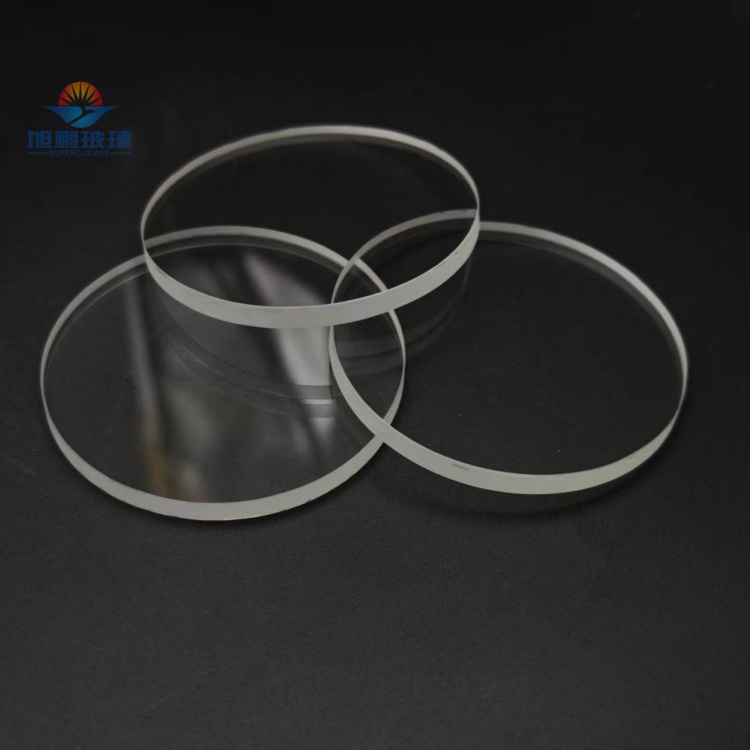
K9 Optical Glass (K9 Crystal Glass) for Optical Instruments
K9 borosilicate crown glass for prototype optics, inspection windows and instrument lenses where stable refractive index and low inclusions matter. Useful during photometric prototyping before a streetlight lens specification is frozen.
View product
High-transmittance Anti-Reflection Coated Glass
Directly relevant to DC LED streetlight covers, protected optical windows and sensor viewing ports. Anti-reflection coating reduces surface reflection and supports lumen capture in wet-night and low-angle lighting conditions.
View product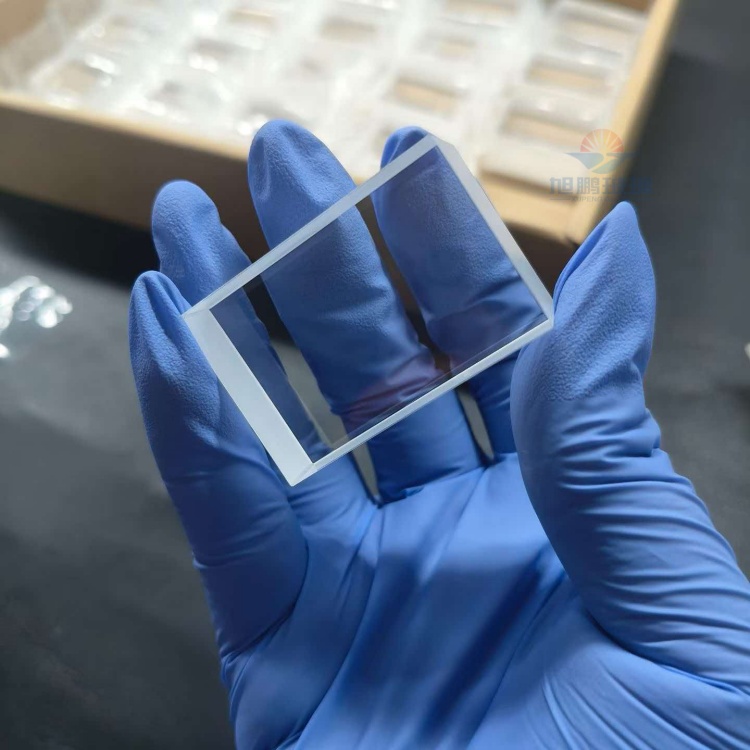
High UV Transmission Thick Gauge Thick Quartz Glass Plate
A UV-grade material route for aging chambers, disinfection equipment and test benches used to validate long-life outdoor lighting components. It helps DC buyers investigate UV exposure and material stability before approving a luminaire platform.
View product
Schott BF33 TGV Microvia Glass Wafer, Packaging Substrate for Sensors & Chips
For smart-city sensing and driver electronics, BF33 TGV wafers provide a glass packaging platform. This is not a standard streetlight lens; it is included because integrated lighting-control programs often bundle luminaires with sensors and compact electronics.
View product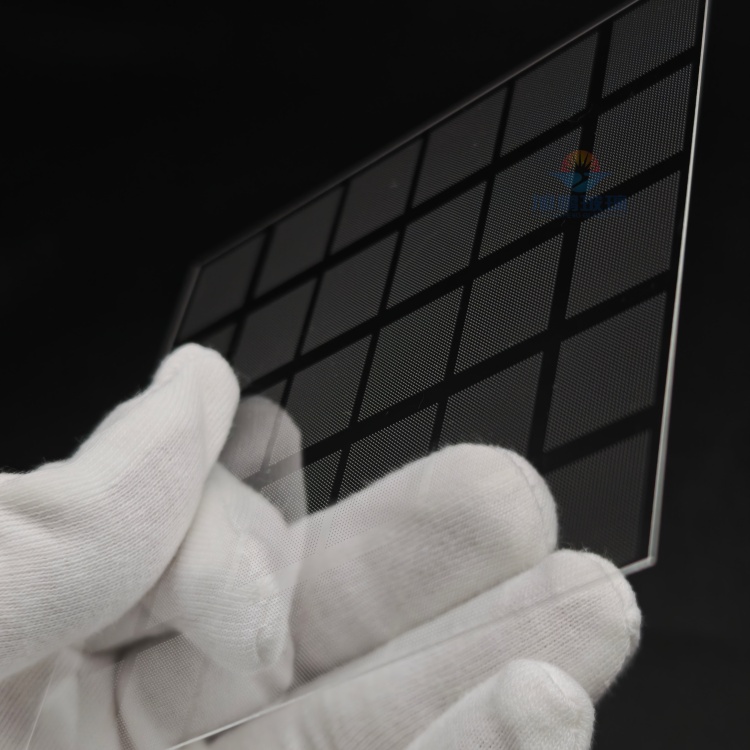
TGV Drilled Packaging Glass Substrate, Precision Laser Microvia Glass
Precision laser microvias for compact sensors and controls. Washington DC smart-lighting programs increasingly combine luminaires with control nodes, and this platform supports adjacent electronic designs that require dimensional repeatability.
View product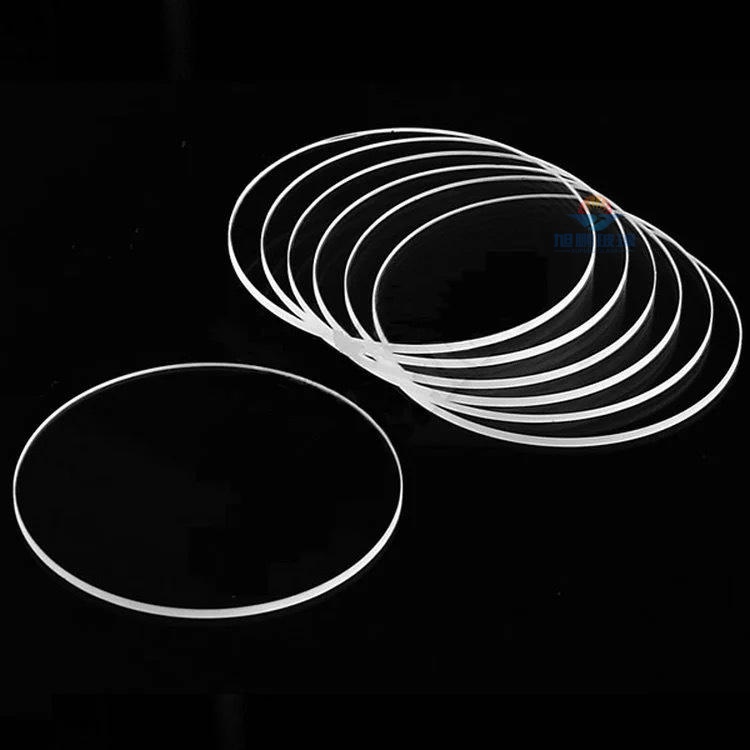
Corning EXG Alkali-Free Glass, UV High-Transmittance Optical Window Substrate
An alkali-free optical window platform for high-transmission and UV-sensitive applications. Suitable for sensor windows and optical subassemblies where a streetlight enclosure, camera module or environmental sensor must protect sensitive components.
View product
Ultra-thin Flexible UTG Glass, bendable and foldable, suitable for commercial aerospace and new energy industries
Premium ultra-thin glass for commercial aerospace and new-energy programs; not a primary streetlight cover material. It demonstrates AUVE’s ability to handle thin, high-value glass with controlled edge quality, cleanliness and protective packing.
View productWhat Washington DC Buyers Really Need from a Street Light Glass Wholesaler
Search intent in this niche is unusually practical. A procurement officer, lighting designer, facilities manager or distributor in Washington DC is normally trying to solve one of four problems: replace broken glass quickly, qualify a wholesale source for an LED retrofit, restore a fixture in a historic district, or add a repeatable glass component to a smart-lighting or sensor program.
Specification, not just a part number
Washington DC’s climate is humid and seasonal, with summer UV load, winter freeze-thaw cycles, storm-driven debris and long maintenance cycles across corridors, parks, federal campuses and private developments. For streetlight glass, the real specification usually includes visible transmission, edge quality, thermal shock resistance, impact behaviour, gasket fit, coating durability and packing survival — not only length × width × thickness.
DC buyers rarely purchase “glass” in isolation; they buy repeatable fit, photometric consistency, replacement-cycle certainty and documentation they can defend. A supplier that cannot discuss edge chips, coating haze, silk-screen registration, breakage during export or batch traceability is not a low-risk wholesale source.
Four purchase intents this page answers
- Replacement intent: matching existing luminaire glass, radii, holes, edge profile and print.
- Wholesale intent: stable MOQs, export packing and repeatable quality for distributors and contractors.
- Design intent: AR/AG coating selection, tempered low-iron glass, optical windows and custom silk-screen borders.
- Program intent: drawing review, sampling, batch consistency and shipment documentation for multi-site rollouts.
Where Street Light Glass Specifications Meet Washington DC Conditions
The same glass platform can behave very differently in a Georgetown historic lantern, an Anacostia corridor luminaire, a transit shelter display, or a parking facility near the Potomac. These are the practical application scenarios that matter most to local buyers.
LED streetlight lens and cover glass
DC’s LED conversion and maintenance programs need high-transmission cover glass that preserves lumen output, resists surface hazing and fits existing gasket interfaces. Low-iron tempered glass and AR-coated glass are common starting points.
Historic district fixture restoration
Projects around Georgetown, Capitol Hill and other historic contexts often require curved or patterned glass that respects the fixture’s appearance. Edge polishing, tint matching, low-iron clarity and careful packing are more important than generic “tempered glass” language.
Freeze-thaw and storm resilience
Winter ice, wind-blown debris and summer heat demand glass with controlled edge quality and suitable tempering. A chipped edge that would be cosmetic indoors can become a crack initiation point outdoors, especially where fixtures expand and contract.
Dark-sky and glare-sensitive sites
Parks, trails, transit areas and residential edges may require glare control rather than maximum sparkle. AG etched glass, AR coatings with controlled reflection and silk-screen masking can help align photometric performance with local lighting expectations.
Smart-city controls and sensor windows
Washington DC’s lighting conversations increasingly include controls, cameras, environmental sensing and connected infrastructure. Glass wafers, TGV substrates and optical windows support those adjacent electronic assemblies when a single program bundles lighting and sensing.
Parking, transit and facility lighting
Garages, transit shelters, campuses and private facilities typically prioritize abuse resistance, simple replacement and consistent supply. Wholesale buyers often combine several glass types in one shipment to reduce freight and inventory complexity.
Washington DC Market Trends Shaping Street Light Glass Demand
Local trend research should go beyond “LEDs are popular.” The stronger signals are procurement traceability, preservation-sensitive design, climate resilience and the merging of lighting with sensors and controls.
LED retrofit cycles reward optical consistency
As legacy fixtures are upgraded, replacement cover glass must preserve beam patterns and lumen output across batches. Optical transmission, coating repeatability and thickness tolerance become purchasing criteria, not cosmetic details.
Historic context and modern photometrics
Washington DC’s historic fabric creates demand for glass that looks appropriate in traditional lanterns while supporting modern light engines. Custom outlines, edge polishing, tint control and small-batch sampling matter more than a standard stock lens.
Climate resilience and maintenance cost
Freeze-thaw, humidity, summer UV and storm debris push buyers toward better edge quality, stable coatings and export packing that survives long sea or air journeys. Breakage and field failures are expensive in urban corridors.
Traceability for public-style procurement
Documentation, inspection records, packing lists and batch identification are increasingly expected in supplier conversations. Buyers want fewer surprises and a clear route from drawing approval to shipment release.
Street Light Glass Selection Matrix for DC Projects
Use this matrix to prepare a more precise inquiry. It is not a substitute for project-specific testing, but it helps engineering and procurement teams ask the right questions before sampling.



Why AUVE Is a Credible Export Partner for Washington DC Glass Buyers
Dongguan AUVE Glass Co., Ltd. is a deep-processing glass manufacturer integrating R&D, design, production and export. Founded in 2018 and operating with 51–100 skilled employees in a 1,001–2,000 m² facility, AUVE processes flat and curved tempered glass, ultra-clear low-iron glass, AR anti-reflective glass, AG anti-glare glass, silk-screen printed glass and precision optical materials including K9, quartz, sapphire, borosilicate and Corning EXG alkali-free glass.
For DC-focused buyers, the advantage is not simply factory pricing. It is the ability to review a drawing before production, discuss manufacturability, select a material route, confirm sample requirements and control packing for fragile glass export. Our stated average response time is within 7 hours, which matters when a replacement order, pilot build or wholesale quotation is moving through a real project schedule.
Send a CAD, DXF or PDF drawing with thickness, tolerance, edge, hole, printing and coating requirements. AUVE engineers review manufacturability before production and can discuss sample and pilot quantities for new projects. Final compliance, certifications and test standards should always be confirmed against your exact project requirement before mass production.
From Raw Sheet to Export-Ready Street Light Glass
A concise view of the manufacturing route that supports consistent tempered, coated, printed and optical glass parts for overseas buyers.
Drawing and material review
Confirm substrate, thickness, tolerance, coating, print, edge and hole requirements before quoting.
Cutting and CNC shaping
Automatic and CNC cutting, edging, drilling, beveling and custom outline development.
Tempering and strengthening
Flat and curved thermal tempering routes for outdoor durability and impact resistance.
Silk-screen printing
High-temperature ceramic inks for borders, logos, windows, icons and light-control graphics.
AR / AG and optical finishing
Anti-reflective, anti-glare, mirror and precision polishing processes for optical requirements.
QC and protective export packing
Dimensional and visual checks, batch labeling, interleaving protection and secure crating.
Washington DC Street Light Glass Procurement FAQs
These are the questions local buyers, specifiers and wholesale distributors most often ask before requesting a quotation.
Can you supply replacement glass for existing Washington DC streetlight fixtures?
Yes, if the fixture can be documented. Send a drawing, photo, dimensions, thickness, edge profile, hole layout and coating or print requirements. For older or historic fixtures, a physical sample or a detailed cross-section is especially useful. AUVE can review manufacturability and recommend a tempered, low-iron, printed or coated route before sampling.
What glass is best for LED streetlight lenses in DC’s freeze-thaw climate?
Most outdoor luminaire projects begin with tempered low-iron glass for high transmission and controlled edge quality. Borosilicate or other specialty materials may be considered where thermal shock, UV exposure or optical requirements are more demanding. The final choice should be confirmed against fixture design, gasket pressure, impact expectations and applicable project standards.
How do you control glare or dark-sky concerns?
Glare control usually comes from the luminaire optics, shield design, mounting angle and glass surface treatment working together. AG anti-glare etched glass diffuses reflected light, while AR coating reduces surface reflection. AUVE can discuss haze, gloss, transmission and print requirements, but photometric compliance must be validated with the complete luminaire by the responsible lighting engineer.
What is the minimum order quantity for wholesale street light glass?
MOQ depends on material and process. Many coated and optical glass parts can start from 10–50 pieces, while standard ultra-clear tempered parts often start from 100–500 pieces. Sample and pilot quantities can be discussed for new projects, especially when a Washington DC buyer needs to validate fit or appearance before a broader replacement program.
Which shipping terms and routes are used for Washington DC buyers?
AUVE supports FOB, CFR, CIF, EXW, DDP, DDU, DAF and express delivery, with export packing designed for fragile glass parts. Washington DC buyers commonly route sea freight through East Coast ports such as Baltimore or use air and express for samples and urgent replacement parts. The best Incoterm depends on your customs setup, order size and required delivery date.
Can you provide documentation for public-style or commercial procurement?
AUVE can discuss drawings, inspection records, packing lists, batch identification and other shipment documentation based on the order. Project-specific certification, testing or domestic-content requirements should be confirmed in writing before production. Buyers should always verify that the selected glass route meets the exact specification and approval process for their Washington DC project.
Send Your Washington DC Street Light Glass Drawing for an Engineering Review
Share the fixture size, glass thickness, tolerance, edge finish, coating, print, quantity and delivery target. The AUVE team will review manufacturability and reply — typically within 7 hours — with a practical material and process recommendation.