Tinted Tempered Glass for Manila: A Specification-First Buying Guide
Manila projects combine tropical solar load, high humidity, salt-laden air near Manila Bay, intense monsoon rain, complex site logistics and fast commercial fit-out schedules. Tinted tempered glass must therefore be selected as a system — not simply as a colour sample.
For architects, façade contractors, fabricators, distributors and wholesale buyers in Metro Manila, tinted tempered glass is a practical way to manage glare, privacy, visible light transmission, façade identity and safety at the same time. Body-tinted float glass is thermally tempered after cutting, CNC edging, drilling, grooving and printing. Once tempered, the glass cannot be cut or drilled again, so every dimension, hole position, edge profile and coating decision must be frozen before production.
Tint is not the same as reflective coating or low-emissivity glass. A bronze, grey, green, blue or black body tint absorbs part of the solar spectrum and reduces visible light transmission; a reflective or low-e coating modifies surface properties and the performance of the whole glazing build. For a Manila office tower, retail podium, hotel lobby or condominium project, the right answer usually combines tint choice, thickness, edge quality, coating strategy, printing, mounting condition and logistics protection rather than relying on colour alone.
Dongguan AUVE Glass Co., Ltd. is a factory-direct deep-processing glass manufacturer in Songshan Lake, Dongguan, China. We integrate R&D, design, production and export, processing flat and curved tempered glass, ultra-white and ultra-clear glass, laminated and painted glass, AR anti-reflective glass, AG anti-glare glass, silk-screen printed glass, touch screen and LCD cover glass, LED lighting glass, instrument glass and optical materials such as K9, quartz, sapphire, borosilicate and Corning EXG. For Manila buyers, this means one supplier can review your drawing, propose a manufacturable process route, control tolerances and prepare fragile-goods export packing.
This guide is written for procurement teams that need more than a catalogue. It explains where tinted tempered glass fits in Manila buildings, which product families are relevant, how to compare quotations, how to avoid common tempering errors, how to plan sea freight to Manila and how to start an engineering review with a CAD, DXF or PDF drawing. Typical reference values in this article are for material selection only; final specifications must be confirmed against your drawing, project standard and approved sample.
Factory facts for Manila buyers
- Manufacturer: Dongguan AUVE Glass Co., Ltd., Guangdong, China
- Established: 2018; 51–100 employees; 1,001–2,000 m² facility
- Core processes: precision cutting, CNC edging, drilling, grooving, tempering, silk-screen printing, AR/AG coating and optical processing
- Verified credentials: onsite-checked supplier profile, credit index, transaction level, trade capacity, trade history and buyer ratings
- Export markets: United States, Canada, Russia, South Korea, Japan, Australia and other markets; Manila support is handled through export documentation and project packing
- Response: average reply within 7 hours; send drawings for a manufacturability review
We are an exporter and manufacturer, not a local Manila warehouse. Our team supports Manila wholesale buyers and project teams from inquiry and sample approval through production and shipment.
Six Decisions That Determine Tinted Tempered Glass Performance
Most sourcing problems are not caused by the colour name. They are caused by missing decisions on tempering, daylight, coating, edgework, salt-humidity exposure and transport protection.
Solar Control Is a System
Darker tints generally reduce visible light and glare more, but they can also increase heat absorption in the glass. Balance tint, thickness, coating, glazing assembly and interior cooling strategy with the project's energy model and daylight target.
Safety by Design
Tempered glass is heat-treated to improve strength and breaks into small granular pieces. Because it cannot be re-cut after tempering, holes, notches and edge profiles must be reviewed before production. Good edge quality is part of safe design.
Privacy With Daylight
Privacy and daylight are competing objectives. Manila BPO offices, clinics and residential interiors may prefer a softer grey or bronze, while retail frontage may need a darker tone. Use samples under site lighting before final approval.
Coastal Manila Considerations
Humidity, salt-laden air and wind-driven rain make maintenance and edge protection important. Specify appropriate glass type, exposed hardware, cleaning access and packing protection for the site condition rather than ignoring the coastal environment.
Wholesale Consistency
Distributors and fabricators need repeatable colour, thickness, drilling and printing. Batch traceability, approved samples and stable process parameters help reduce variation across repeat orders for Manila projects.
Engineering Review First
Send CAD, DXF or PDF drawings with thickness, tolerance, edge, hole, printing and coating requirements. Our engineers review manufacturability before production, covering CNC cutting, edging, drilling, tempering, printing and AR/AG coating.
Recommended Factory Products for Manila Wholesale & Project Buyers
Tinted tempered glass is often evaluated together with high-transmittance, coated and specialty glass for displays, control panels, appliances, instrument windows and custom glazing. These eight products come from our current factory range, with product URLs preserved for direct review.

Ultra-white Tempered Glass, AR Anti-Reflection Coatable, High Light Transmittance & Anti-reflective
Low-iron clarity and AR-coatable surface for display covers, control panels and premium glazing where green edge tint is undesirable.
- High clarity
- AR ready
- Tempered
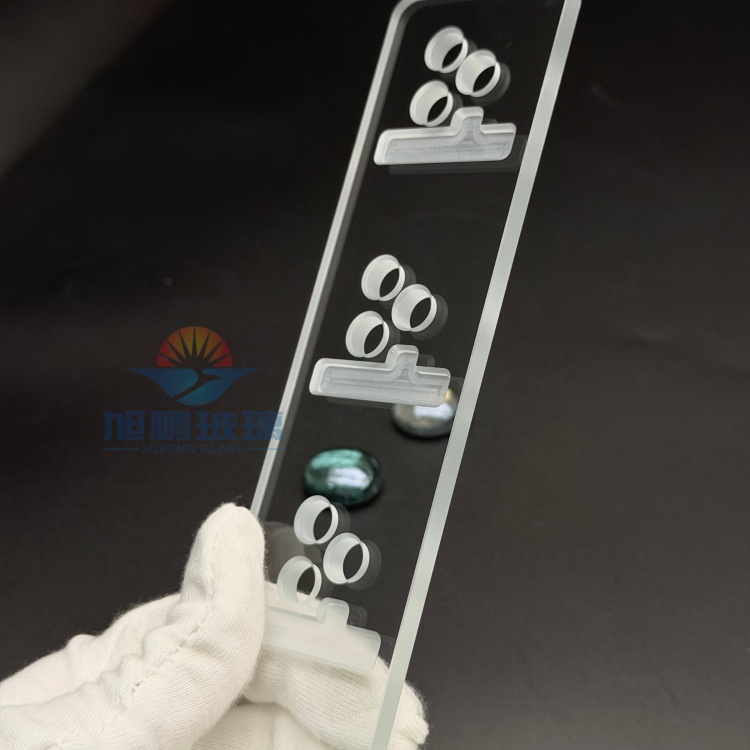
Ultra Clear High Light Transmission Tempered Glass Panel, CNC Arc Polishing, Drilling & Grooving
Custom CNC processing for polished edges, holes and grooves — suitable for appliance covers, touch panels and precision interior components.
- CNC edges
- Drilling
- Grooving

High-transmittance Anti-Reflection Coated Glass
Helps reduce surface reflections and improve contrast under office, retail and control-room lighting. Can be considered alongside tinted glass in display assemblies.
- Low reflection
- Display cover
- Custom size
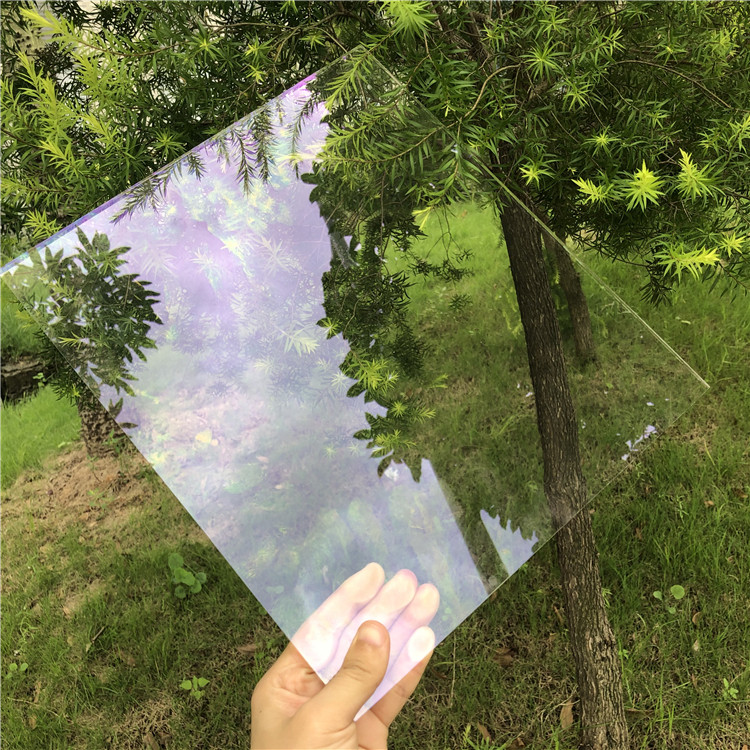
High-transmittance Anti-Reflection (AR) Coated Optical Glass
Optical-grade AR glass for sensor windows, instrument covers and precision optical assemblies where controlled reflection matters.
- Optical grade
- AR coating
- Instrument window

Ultra-thin Optical Glass Sheets Schott B270/D263T Semiconductor Electronic Glass Blank Cutting & Processing
Thin glass blank cutting and processing for electronic and semiconductor-related applications requiring flatness and precision.
- B270 / D263T
- Thin glass
- Precision cutting
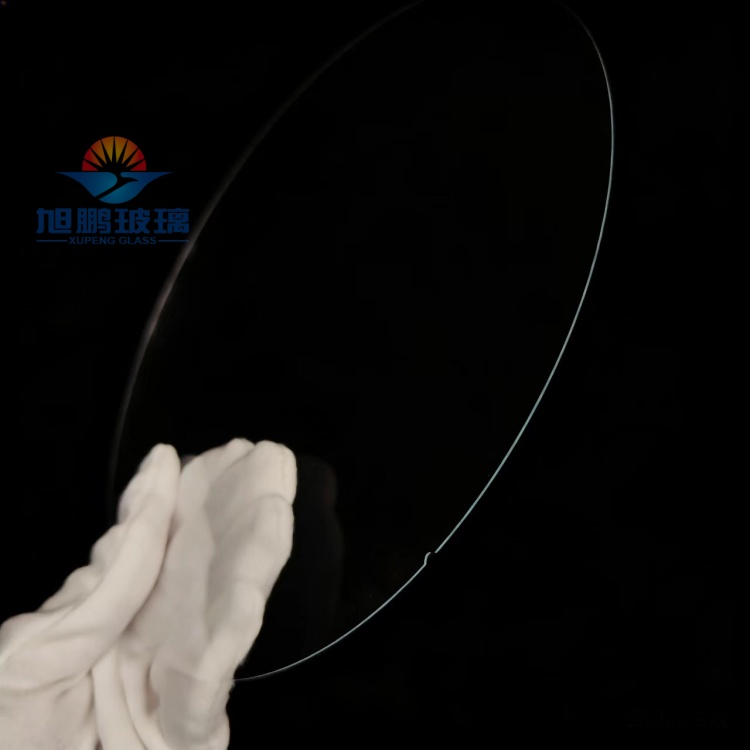
Corning EXG Glass Wafer, Double-Sided Polished Custom Fabrication for Semiconductor Glass Wafers
Alkali-free glass wafer fabrication with double-side polishing for semiconductor, MEMS and precision display-related development.
- Alkali-free
- Double-side polish
- Wafer custom

Wafer Glass Thickness Circuit Board Chip Solar Silicon Ingot Substrate
Glass substrate options for electronics, circuit-board-related and solar ingot support where thickness and flatness are controlled.
- Thickness control
- Substrate
- Custom process

Ultra-thin Flexible UTG Glass, Bendable and Foldable, Suitable for Commercial Aerospace and New Energy Industries
Ultra-thin bendable glass for flexible electronics, specialty aerospace and new-energy applications requiring lightweight glass.
- Bendable
- Ultra-thin
- Lightweight
Need a tinted tempered glass quotation for Manila? Send your drawing, tint reference, quantity and delivery term.
Get CatalogWhere Tinted Tempered Glass Fits in Manila Projects
From Makati CBD offices and Bonifacio Global City frontage to Pasay hospitality, Quezon City mixed-use and Manila Bay waterfront developments, tinted tempered glass is specified for visual comfort, privacy, safety and brand identity.
Office Towers & BPO Fit-Outs
Metro Manila's BPO and corporate fit-outs often need glare control for monitors, interior privacy and a consistent façade language. Tinted tempered glass can be used for partitions, door lites, conference-room glazing and feature walls, with edge quality and tolerances agreed before tempering.
Retail, Mall & Hospitality Frontage
Storefronts, hotel lobbies, mall atriums and restaurant façades use bronze, grey, green or blue tints to create identity while controlling daylight. For backlit signs and display windows, combine tint choices with high-transmittance or AR-coated glass where clarity is critical.
Condominium Lobbies & Residential Amenities
Lobby screens, amenity partitions, balustrade infills and canopy glazing may use tinted tempered glass for privacy and heat control. For overhead or barrier applications, the project team should confirm the required glass build, fixing method and local building requirements.
Transport & Public Infrastructure
Bus terminals, rail-related facilities, toll plazas, airport interiors and public service buildings need durable, easy-clean glass. Tinted tempered glass can reduce glare in waiting areas; for outdoor display windows, AG anti-glare or AR-coated glass may also be considered.
Healthcare, Clinics & Institutional Buildings
Privacy glazing, reception screens, laboratory windows and consultation-room partitions benefit from predictable colour and clean edges. Smooth surfaces, stable printing and well-controlled tempering help maintenance teams keep glass looking consistent.
Appliances, Control Panels & Displays
For appliance panels, HMI covers, kiosks and electronic equipment, tinted or ultra-clear tempered glass may be combined with silk-screen printing, AR coating or AG coating. These applications require tight control of holes, printing registration and flatness.
Trends Shaping Tinted Glass Demand in Metro Manila
Manila's construction and fit-out market is increasingly focused on heat resilience, fast project delivery, documentation quality and long-term maintenance — all of which affect how tinted tempered glass is sourced.
Heat-Smart Commercial Envelopes
Rising cooling loads and tenant comfort expectations are pushing project teams to evaluate solar control more carefully. Tinted glass may be used together with reflective, low-e or laminated assemblies; the final choice should be based on whole-system performance, not colour alone.
Mixed-Use & Transit-Linked Development
Projects around Metro Manila's growth corridors combine retail, office, residential and transport functions. This increases demand for consistent glass colours across different façade areas, interior screens and signage components, often from one qualified export supplier.
Faster BPO & Fit-Out Cycles
Commercial tenants often require repeatable partitions, door lites and feature glass with short delivery windows. Wholesale buyers benefit from standardised drawings, approved samples and clear packing schedules so multiple sites can receive matching batches.
Documentation & Resilience
Project teams increasingly ask for traceable batch records, approved material references, packing plans and clear discrepancy procedures. For fragile glass shipped from China to Manila, documentation quality and protective packaging are part of supplier reliability.
How to Compare Tinted Tempered Glass Offers Without Getting Burned
In a Manila tender or wholesale inquiry, two quotations may look similar on the surface while differing in material source, edgework, tempering control, printing tolerance, packing and delivery responsibility. Use this checklist to make offers comparable.
Eight-point RFQ checklist
- Glass type and tint: body-tinted tempered, ultra-clear tempered, laminated or coated; include colour reference and edge colour expectation.
- Thickness and build: specify 4, 5, 6, 8, 10 or 12 mm, or the laminated/coated assembly; do not leave thickness to guesswork.
- Performance requirement: visible light transmission, glare target, solar factor, U-value or project energy requirement; confirm whether whole-system data is needed.
- Tempering constraints: hole diameter, hole-to-edge distance, notch shape, edge polishing, corner radius and logo position.
- Coating and printing: AR, AG, reflective or low-e coating; silk-screen ink colour, IR window, registration and firing requirements.
- Packing and destination: Manila port or door delivery, quantity per crate, label format, protection film and inspection method.
- Commercial terms: FOB, CFR, CIF, EXW, DDP, DDU or express; clarify who arranges insurance and customs clearance.
- Approval process: sample, first-article inspection, colour approval under site lighting and batch traceability for repeat orders.
Selection priorities in a typical Manila commercial project
Illustrative qualitative weighting for discussion only — not a product rating or performance guarantee.
Material & Finish Selection Table for Tinted and Complementary Glass
Use this table to prepare an RFQ, then confirm the final glass build with your project specification, supplier data and approved sample.
| Glass / Finish | Typical Selection Role | Manila-Relevant Applications | Processing Options |
|---|---|---|---|
| Body-tinted tempered glass | Solar/glare moderation, privacy, colour identity and safety glass | Façade panels, partitions, door lites, balustrade infills, lobby screens, retail frontage | CNC cutting, edging, drilling, grooving, tempering, silk-screen printing |
| Ultra-clear / ultra-white tempered glass | High visible clarity with low-iron edge appearance | Control panels, appliance covers, light boxes, premium display windows | CNC polishing, holes, printing, AR/AG coating, tempering |
| AR anti-reflective coated glass | Reduce surface reflection and improve display contrast | Touch modules, instrument windows, control-room displays, museum-style viewing windows | Single- or double-side AR, tempering, printing, custom sizing |
| AG anti-glare coated / etched glass | Diffuse harsh reflections and improve readability | Outdoor kiosks, industrial HMIs, mall directories, transport information displays | Etched AG, AG plus AR, tempering, printing |
| Silk-screen printed tempered glass | Durable graphics, masking borders, windows and brand marks | Instrument panels, appliance fronts, switch/socket covers, control panels | Multi-colour printing, IR window ink, holes, CNC edgework |
| Optical and thin glass | Precision light transmission, substrate or flexible glass function | Sensor windows, semiconductor wafers, electronic blanks, flexible display development | Precision cutting, polishing, dicing, chamfering, thin-glass processing |
Reference values and processing availability are project-specific. Final glass type, thickness, tint, coating, tolerances and test requirements must be agreed on the approved drawing before mass production.
Why Manila Buyers Shortlist Dongguan AUVE Glass
Our value is not only in the glass itself. It is in drawing review, process control, export packing and communication that helps Manila buyers reduce rework, breakage and specification gaps.
Factory-Direct Manufacturer
Dongguan AUVE Glass Co., Ltd. integrates R&D, design, production and export in Songshan Lake, Dongguan. Buyers communicate with a manufacturer that understands drawings, tolerances and process limits.
Deep Processing Under One Roof
Precision cutting, CNC edging, drilling, grooving, tempering, silk-screen printing, AR/AG coating and optical processing are reviewed as a coordinated route, which helps protect tolerances and shorten project communication.
Documented Quality Mindset
Production follows defined process standards and a documented quality management system. Every batch can be traceable from raw sheet to packed carton, with dimensional, visual and functional checks as agreed.
Verified Supplier Credentials
Buyers can review our onsite-checked supplier profile, credit index, transaction level, trade capacity, trade history and buyer ratings before placing a sample or bulk order.
Fragile-Goods Export Packing
Interleaving protection, film, foam corner protection and export-grade crates or reinforced cartons help protect glass during sea freight to Manila. Packing plans can be aligned with shipment method and handling conditions.
Fast Technical Response
Our average response time is within 7 hours. Send a CAD, DXF or PDF drawing with quantity and destination; our team will confirm material, process route, lead time and quotation assumptions.
From Manila RFQ to Export Delivery: Six Controlled Steps
Clear process steps reduce surprises, especially for tempered glass that cannot be reworked after heat treatment.
Drawing & Requirement Review
Send CAD, DXF or PDF with size, thickness, tint, tolerance, edgework, holes, printing and coating. Our engineers check manufacturability before quotation is finalised.
Material & Tint Confirmation
Confirm the substrate, tint reference, performance requirement and sample need. Critical visual decisions should be approved under the lighting condition expected on site.
Cutting, CNC & Edgework
Precision cutting, CNC edging, drilling, grooving and polishing are performed before tempering. Hole positions, corner radii and edge quality are checked against the drawing.
Tempering & Printing
Flat or curved thermal tempering improves strength and safety performance. If required, high-temperature ceramic inks are printed for durable borders, icons, logos or windows.
AR / AG Coating & Final Checks
Functional coatings, surface inspection, dimension checks and appearance verification are completed as agreed. Batch records and labels help support traceability.
Export Packing & Shipment
Glass is protected for fragile-goods transport, labelled and packed for the chosen Incoterm. We support FOB, CFR, CIF, EXW, DDP, DDU, DAF and express delivery discussions.
Tinted Tempered Glass Manila FAQ
Practical answers for architects, purchasing managers, fabricators and wholesale buyers comparing factory-direct glass supply from China to Manila.
Are you a tinted tempered glass exporter to Manila or a local fabricator?
We are a factory-direct glass manufacturer and exporter based in Dongguan, China. We supply Manila buyers through export shipment and project documentation; we are not a local Manila retail warehouse. This model suits wholesale buyers, fabricators, contractors and project teams that can plan production and shipping lead times.
What tint colours and thicknesses can you quote?
Typical body tints discussed for architectural and interior glass include bronze, grey, green, blue and black, subject to source glass availability and project approval. Thickness depends on the application and processing route. Send your drawing and required tint reference so our team can confirm availability and manufacturing feasibility.
Can you combine tinted glass with holes, cut-outs, printing or AR/AG coating?
Yes, custom processing can be reviewed as a combined route: CNC cutting, edging, drilling, grooving, tempering, silk-screen printing and coating. Because holes and cut-outs must be completed before tempering, please provide a fully dimensioned drawing and state whether the finished part will be exposed, framed or part of a sealed assembly.
How do I choose the right tint for a Manila project?
Start with the project's daylight, glare, privacy and heat targets. A darker tint is not automatically better because it may reduce useful daylight and alter interior colour. Approve a physical sample under representative Manila lighting, and confirm the whole glazing build with the project's energy and façade consultants where performance data is required.
What is the minimum order quantity for Manila wholesale orders?
MOQ depends on material and process. Many coated and optical glass parts start from 10 to 50 pieces, while standard ultra-clear or tempered parts may start from 100 to 500 pieces, depending on size and complexity. Sample and pilot quantities can be discussed for new projects, especially when a repeat wholesale programme is expected.
How do you pack glass for sea freight to Manila?
Export packing is designed for fragile glass parts. Typical measures include protective film or interleaving, foam corner protection, reinforced cartons or wooden crates, batch labels and clear packing marks. The final packing plan depends on glass size, thickness, edgework and shipment method. Please state whether you require port delivery or door delivery.
How long does shipment to Manila take?
Transit time depends on the shipping line, port schedule, customs clearance and final delivery address. Sea freight is normally planned by port-to-port or door-to-door quotation, while air and express are faster but more expensive for heavy glass. We confirm the practical shipping window after the order quantity, packing dimensions and Incoterm are clear.
Which delivery terms do you support?
We support FOB, CFR, CIF, EXW, DDP, DDU, DAF and express delivery discussions, with export packing designed for fragile glass parts. For Manila buyers, CIF or DDP discussions often help compare landed-cost scenarios, while FOB can suit buyers with their own freight forwarder.
How quickly can I receive a technical response or quotation?
Our average response time is within 7 hours. For a faster review, send a CAD, DXF or PDF drawing with dimensions, thickness, tint, tolerance, edge, hole, printing and coating requirements, plus order quantity, destination in Manila and preferred delivery term. You can also use the Get Catalog button to start the conversation.
Request a Tinted Tempered Glass Quotation for Your Manila Project
Send your drawing, tint reference, thickness, quantity, destination and delivery term. Our engineering team will review manufacturability, confirm the process route and reply — usually within 7 hours. If you are comparing suppliers for Manila wholesale supply, ask for a packing plan, batch traceability approach and a quotation that clearly separates material, processing, packing and freight responsibilities.