8 Product Recommendations for Phuket Mirror and Glass Projects
The quickest way to qualify a mirror glass manufacturer is to inspect the exact products and processes it can support. The eight factory items below cover mirror, AR-coated, quartz, tempered, wafer, sapphire, ultra-thin flexible and metal-coated glass families that are relevant to Phuket hospitality, retail, wellness, residential and marine interiors. Product URLs are preserved exactly; for a custom size, send your drawing and request a factory quotation.
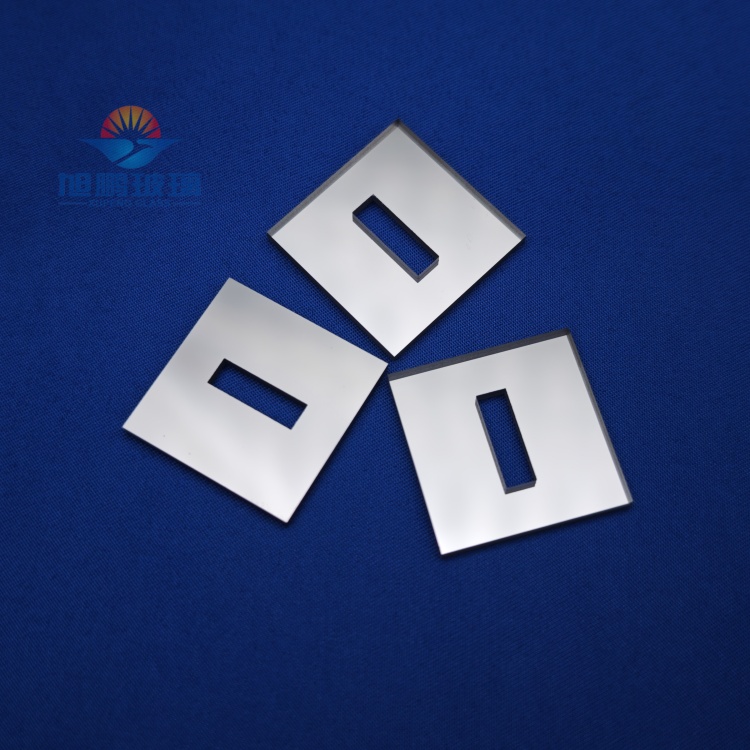
Silver-coated Mirror, Grooved at the Center of Glass
For vanity units, lift interiors, bar fronts and decorative wall panels. In Phuket humidity, confirm edge sealing, protective backing and safety film before release.
View product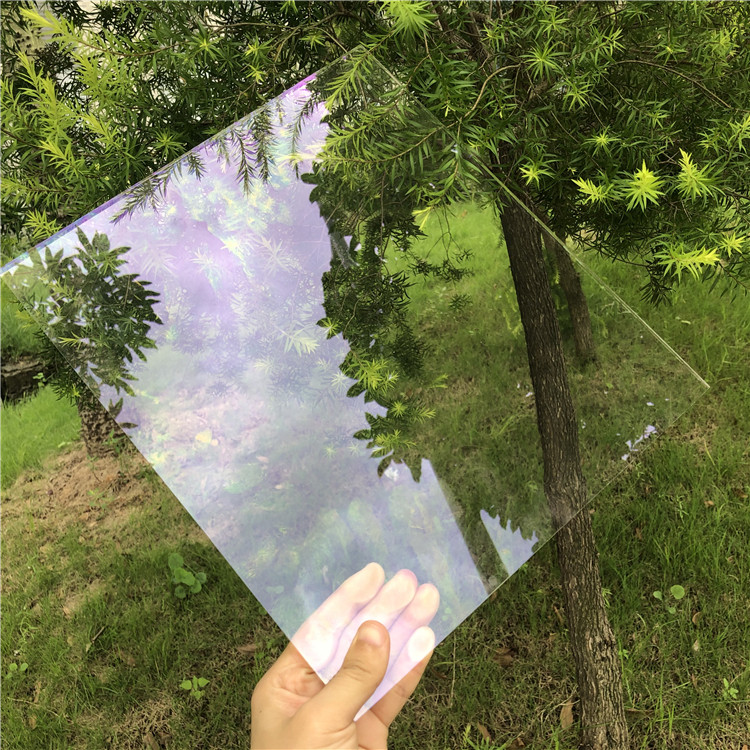
High-transmittance Anti-Reflection (AR) Coated Optical Glass
For touch panels, wayfinding screens, museum-style windows and instrument glazing where reflection control improves readability.
View product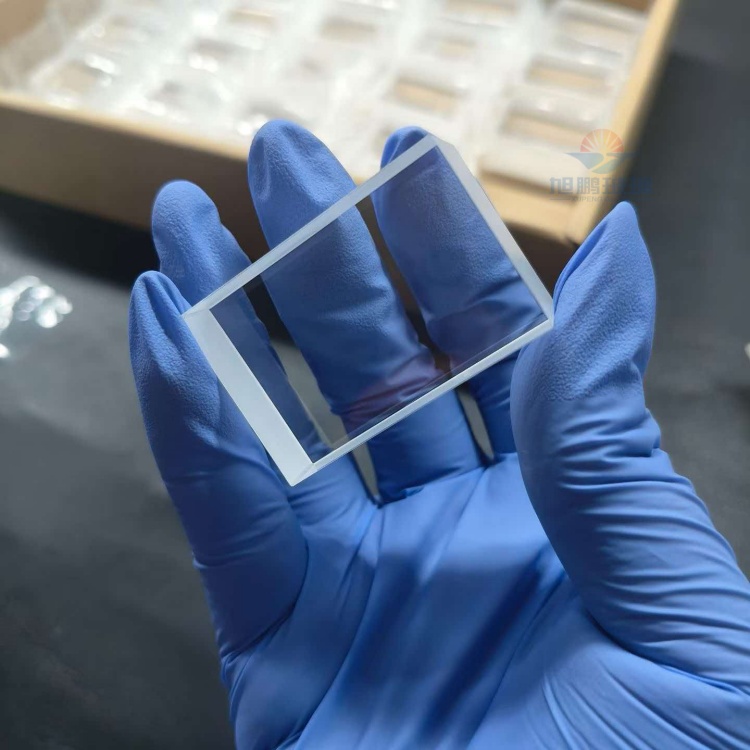
High UV Transmission Thick Gauge Thick Quartz Glass Plate
For UV treatment, laboratory viewports and equipment windows. Request transmission curves and thermal-shock guidance for your process.
View product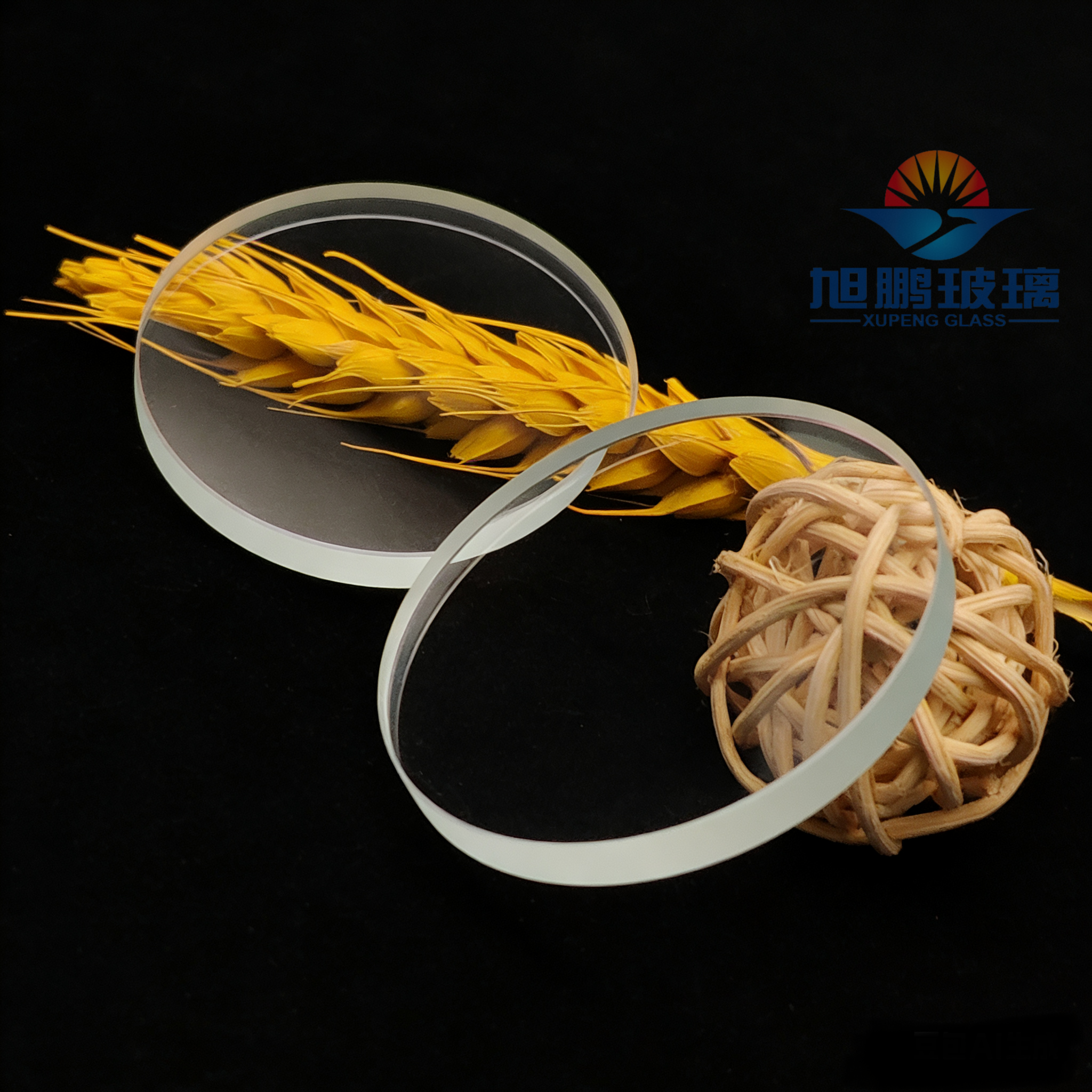
Low Iron Round High Transmittance Tempered Glass Panel with Precision Polished Edges, Flat Clear Glass
For control panels, lamp covers and clear view windows. The low-iron body reduces green tint in bright resort interiors.
View product
Wafer Glass Thickness Circuit Board Chip Solar Silicon Ingot Substrate
For technical buyers in semiconductor, solar and circuit-board supply chains. Discuss flatness, surface quality and cleaning before packing.
View product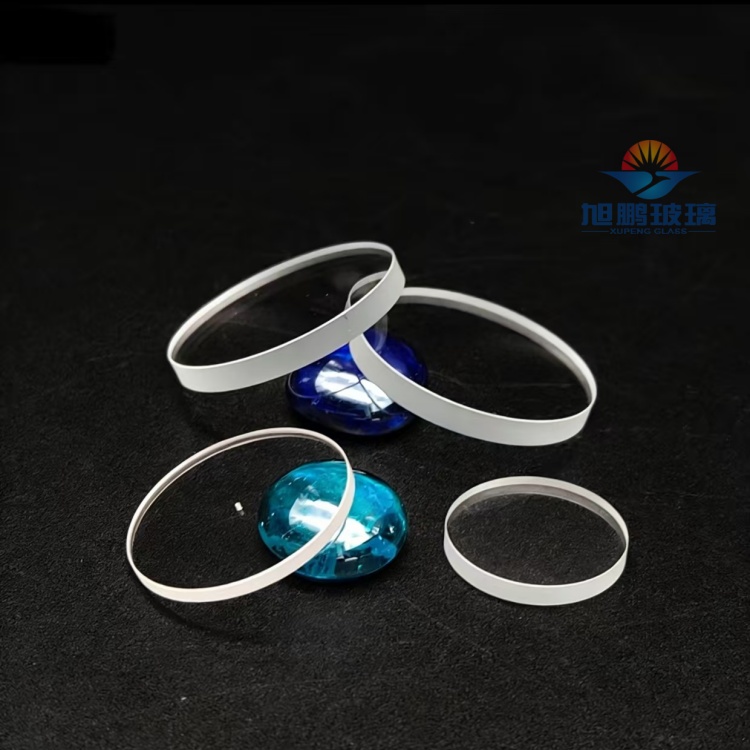
Sapphire Glass Step Window Wafers, High Temperature Resistant & High Light Transmittance Optical Sapphire Lenses
For scratch-critical sensor covers and high-temperature windows. Confirm orientation, chamfer, transmission and assembly tolerance.
View product
Ultra-thin Flexible UTG Glass, bendable and foldable, suitable for commercial aerospace and new energy industries
For foldable displays and new-energy or aerospace design work. Specify bend radius, handling method and packing protection.
View product
Round Aluminosilicate Glass with Chamfered Ground Edges and Metal Coating
For decorative and technical parts that need a durable metal finish, chamfered edges and tight dimensional control.
View productWhy Aluminum Mirror Glass Specification Matters in Phuket
Phuket is not a dry showroom environment. Salt-laden air, high humidity, intense UV and monsoon rain place mirror edges, backing coats and mounting systems under continuous stress.
In a tropical coastal market, most mirror failures begin at the edge or behind the glass rather than in the centre of the panel. A mirror is not a single material; it is an assembly of glass, reflective coating, protective backing, edge treatment and mounting method. When a Phuket buyer compares an aluminum mirror glass manufacturer with a silver-coated mirror supplier, the quote should separate these layers clearly. Otherwise, a low unit price can disappear quickly in replacement labour, guest downtime and moisture-related rework.
Aluminum mirror glass is often selected for humid service areas where balanced cost, corrosion tolerance and stable appearance are priorities. Silver-coated mirror glass remains attractive for premium bathrooms, hotel suites and retail interiors because it can deliver higher reflectivity and a cleaner visual finish when the backing and edge protection are correctly engineered. For beachfront villas, wellness centres and marine interiors, the decision should be based on exposure, cleaning chemicals, mounting detail, ventilation and maintenance access—not on reflectance alone.
A credible factory serving the Phuket market should provide drawing-based recommendations, not a generic catalogue answer. Ask for the recommended coating system, edge-sealing method, safety backing option, packing standard and salt-spray or adhesion test evidence. For hotel refurbishments, also ask how panels will be batch-matched so replacement mirrors do not look different from the original installation.
Phuket Mirror Glass Buyer Priorities
Typical weighting used by hospitality and residential procurement teams when shortlisting coastal-ready mirror suppliers.
Where Mirror Glass and Custom Glass Earn Their Keep in Phuket
Phuket projects reward suppliers who understand the difference between a decorative mirror and a coastal-duty mirror system.
Resort Bathrooms and Spa Vanities
Hotel bathrooms need consistent reflection, safe edges and moisture-resistant backing. For spa and wellness areas, specify easy-clean surfaces and mounting details that avoid trapped water behind the mirror.
Lobby, Bar and Restaurant Walls
Grooved, book-matched and metal-coated mirror panels create depth in restaurants and lobbies. For humid indoor spaces, edge sealing and batch colour consistency matter as much as the decorative pattern.
Retail Display and Studio Mirrors
Fitness studios, salons and retail fitting areas require distortion control and safe installation. Large-format panels should be reviewed for flatness, thickness, edge profile and wall-fixing tolerance.
Villas, Condos and Holiday Homes
Beachfront homes face salt air and seasonal humidity. Use protective backing, neutral-cure sealants and ventilation behind fixed mirrors to reduce edge corrosion and coating breakdown.
Yacht and Marine Interiors
Marine interiors demand careful fixing, lightweight design and corrosion-aware hardware. Mirror glass should be specified with the installer, not chosen only from a colour sample.
Lifts, Corridors and Backlit Features
Developers can combine mirror, low-iron tempered glass and printed glass in one package. Ask for CNC holes, chamfers, logo printing and protective film to be coordinated before production.
Local Trends Reshaping Mirror Glass Procurement
Humidity-First Buying
Phuket buyers now ask for salt-spray reports, edge-sealing details and backing specifications before approving a mirror sample.
Phased Resort Refits
Hotels often renovate floor by floor. Batch labels, colour consistency and repeatable packing make phased deliveries easier to manage.
Design-Led Customisation
Grooved mirror, chamfered edges, metal coating, printed logos and mixed-material panels are increasingly requested for premium interiors.
Digital Pre-Shipment Review
Buyers want photos, inspection records and packing videos before sea freight leaves for Thailand, reducing surprises at site.
How to Compare a Phuket-Ready Mirror Glass Factory
Instead of relying on a copied “top 10” list, use these ten evidence points to shortlist aluminum mirror glass manufacturers and factories serving Phuket.
Aluminum Mirror vs Silver-Coated Mirror: A Practical Phuket Table
Use this table to frame a supplier conversation, then confirm final performance with project-specific samples and test reports.
| Decision Point | Aluminum Mirror Glass | Silver-Coated Mirror Glass | Phuket-Focused Advice |
|---|---|---|---|
| Reflectivity | Good general reflectivity; often selected for balanced cost and durability. | Typically higher reflectivity for premium visual finish. | Do not compare samples under different lighting. Review side by side in the intended interior. |
| Humidity exposure | Often preferred for humid service areas when edge protection is robust. | Excellent for premium interiors when backing and edges are correctly sealed. | Specify edge sealing, neutral-cure sealant and ventilation behind the mirror. |
| Edge appearance | Can show a neutral edge depending on coating and processing. | May show a darker or more defined edge. | For exposed edges, request a physical edge sample before approval. |
| Cost position | Usually a practical option for large or repeat installations. | Often positioned for high-end suites, retail and feature areas. | Compare installed cost, replacement risk and maintenance access—not only glass price. |
| Best-fit Phuket use | Beachfront rental bathrooms, service areas, lift interiors, utility spaces. | Hotel suites, spa reception, branded residences, premium retail. | Match the mirror system to the room’s humidity, cleaning regime and guest expectation. |
Typical comparison only. Final selection should be confirmed against your drawing, mounting detail, cleaning chemicals and agreed test standard.
What Dongguan AUVE Glass Brings to Phuket Buyers
Dongguan AUVE Glass Co., Ltd. is a deep-processing glass manufacturer in Songshan Lake, Dongguan, integrating R&D, design, production and export. The factory profile is relevant to Phuket buyers because it combines custom processing, coating options and export packing in one supply chain.
Deep Processing Under One Roof
CNC cutting, edging, drilling, grooving, tempering, silk-screen printing, AR/AG coating and final inspection are coordinated in-house to protect tolerances and shorten communication loops.
Drawing-Led Engineering
Send CAD, DXF or PDF drawings with thickness, tolerance, edge, hole, printing and coating requirements. Engineers review manufacturability before production rather than after problems appear.
Coating and Printing Flexibility
AR anti-reflective, AG anti-glare, mirror, metal and high-temperature ceramic ink options support design intent while maintaining a practical production route.
Optical and Specialty Materials
K9 optical glass, quartz, sapphire, borosilicate, Corning EXG alkali-free glass, ultra-thin flexible UTG and aluminosilicate options extend the supplier’s capability beyond standard architectural glass.
Export Packing and Terms
FOB, CFR, CIF, EXW, DDP, DDU, DAF and express delivery are supported. Export packing uses protective film, foam corners, batch labels and fragile-goods crates suitable for sea or air freight to Thailand.
Verifiable Supplier Profile
Founded in 2018, with 51–100 employees, a 1,001–2,000 m² facility, average response within 7 hours and customers in the USA, Canada, Russia, Japan, Korea, Australia and other markets.
Frequently Asked Questions from Phuket Glass Buyers
Practical answers for hotel owners, contractors, architects and procurement teams comparing mirror glass suppliers for Phuket projects.
How do I choose mirror glass for Phuket’s humidity?
Start with the installation environment, not the colour sample. For frequently wet bathrooms, spa areas and beachfront rental units, ask for a mirror system with strong edge sealing, protective backing and suitable mounting. Aluminum mirror glass is often considered for humid service areas, while silver-coated mirror glass is often selected for premium suites when the backing and edges are properly specified. Require a physical sample, edge detail and agreed maintenance instruction before approval.
Can a factory ship mirror glass directly to Phuket?
Yes. Export routes commonly include sea freight to Laem Chabang followed by road and ferry transfer, air freight to Phuket International Airport for urgent or sample shipments, and express courier for small parts. Confirm Incoterms, packing method, insurance and unloading responsibility before the order is released. The factory should provide packing photos and carton or crate dimensions for logistics planning.
What MOQ should I expect for custom mirror or glass parts?
MOQ depends on material and process. Coated and optical glass parts may start from small pilot quantities, while standard ultra-clear tempered parts often require larger production batches. Mirror projects with special grooves, metal coating or printing may be quoted around project quantity, colour consistency and packing requirements. Always ask whether sample and pilot quantities can be discussed before mass production.
Which tests should I request for a coastal mirror glass project?
Ask for test evidence that matches the proposed coating and use environment. Depending on the project, this can include salt-spray or CASS-related testing, coating adhesion, reflectance, haze, thickness and dimensional checks. For tempered glass, request fragmentation or safety documentation where applicable. Final acceptance criteria should be written into the purchase order and checked against a signed sample.
How can I avoid distortion and green edge tint?
Distortion is influenced by glass thickness, flatness, tempering control, edge processing and installation method. Green tint can be reduced by choosing low-iron glass for clear panels or thick mirror assemblies. For large feature walls, review a mock-up under the actual lighting and ask the factory to control batch sources. Do not approve a mirror only from a small hand sample when the finished panel will be large.
How should glass be packed for Phuket’s climate and transport route?
Use interleaving film or paper, foam corner protection, moisture protection and fumigation-free wooden crates or reinforced cartons. Batch labels help phased hotel installations. For coastal projects, discuss desiccant and protective wrapping with the factory. A pre-shipment photo set should show the packed crates, edge protection and labels before the container is sealed.
Can the factory produce custom sizes, holes, grooves and metal coating?
Yes, custom processing can include CNC cutting, edging, drilling, grooving, chamfering, tempering, silk-screen printing, AR/AG coating and metal coating. Provide a CAD, DXF or PDF drawing with dimensions, tolerances, edge profile and coating notes. The factory should review manufacturability and confirm the inspection standard before quoting.
What lead time and response time should a Phuket buyer expect?
Response time and production lead time are different. A technical enquiry can often be answered within 7 hours on average, while production depends on material availability, coating, tempering, printing and quantity. Send your drawing, target quantity, installation date and preferred Incoterm together so the supplier can provide a realistic schedule for samples, production and delivery to Phuket.
Request a Factory-Quoted Glass Schedule for Phuket
Share your drawing, quantity, thickness, edge detail, coating requirement and target installation date. The factory team can review material route, packing method and delivery options for your Phuket project.
Get Catalog