8 Precision Glass Products for Scratch-Resistant Jacksonville Applications
The most reliable way to compare a “top 10” scratch-resistant glass manufacturer and exporter is to examine the actual substrate, coating and finishing route. The eight products below are production-ready examples from Dongguan AUVE Glass Co., Ltd., a factory-direct deep-processing manufacturer that integrates R&D, design, production and export. Each product URL is retained exactly as supplied.
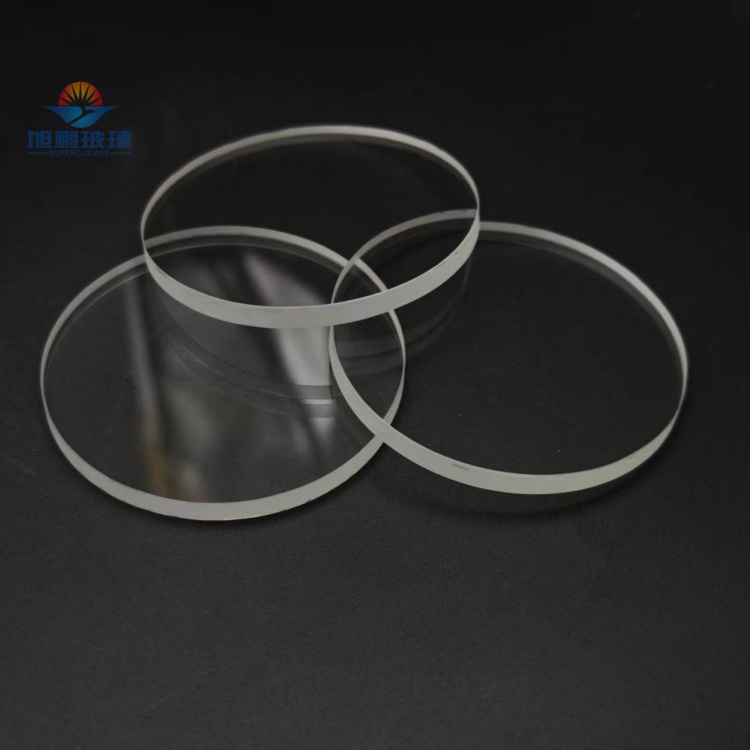 Optical
K9 Optical Glass (K9 Crystal Glass) for Optical Instruments
Borosilicate crown glass with high clarity and low inclusions. Suitable for polished windows, prisms, lenses and inspection windows used in marine optics, laboratory instruments and sensor calibration.
 Display
Ultra-white Tempered Glass, AR Anti-Reflection Coatable, High Light Transmittance & Anti-reflective
Low-iron tempered glass with AR coatability for outdoor kiosks, HMI panels and architectural display windows. It helps reduce glare in Florida sunlight while preserving touch clarity.
 Wafer
Corning Ultra-Thin Glass Sheet, Optical Grade Glass Wafer Substrate with Chamfered Edge
Chamfered-edge wafer substrate for MEMS, sensors and precision electronic assemblies. A strong candidate for Jacksonville medtech and semiconductor equipment teams that need flatness and edge integrity.
 Custom
CNC Carved Low Iron Glass Sheet, High-temperature Screen Printed Tempered Glass, Drilled Glass Panel
Custom shape, holes, edge work and high-temperature ink in one part. Used for control panels, appliance fascia and industrial equipment covers where scratch resistance and graphics coexist.
 Substrate
Schott Ultra-thin Optical Glass Sheets, 0.1mm, 0.5mm, 0.7mm, 1.1mm, Raw Semiconductor Electronic Glass Substrates
Ultra-thin substrate options for optical filters, sensors and semiconductor-related R&D. Thickness choice supports miniaturized assemblies and precision inspection windows.
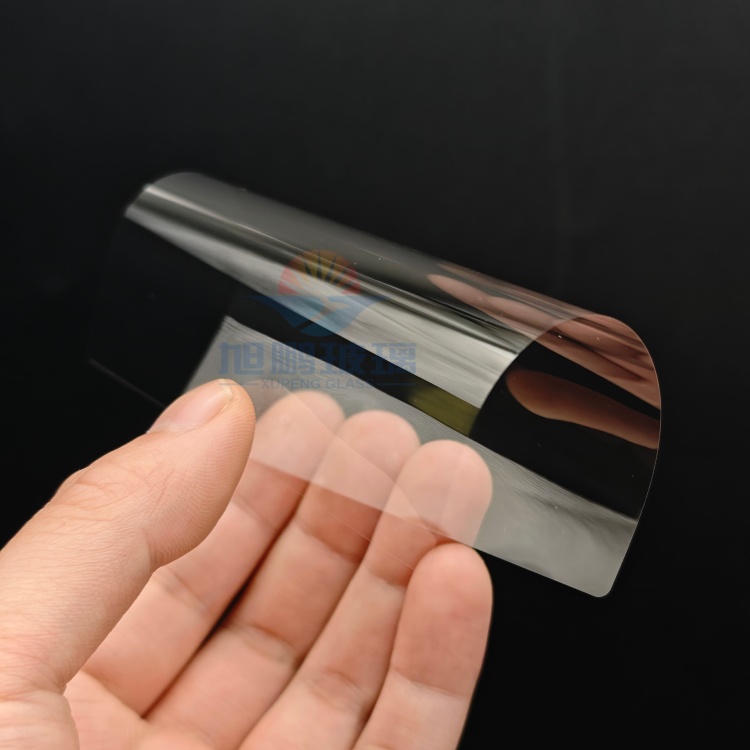 UTG
0.03 mm Ultra-thin Flexible Bendable Glass
Bendable ultra-thin glass for foldable displays, flexible sensors and lightweight protective layers. Useful for wearables, instrumentation and next-generation device prototyping.
 Sapphire
High Transmittance Sapphire Glass, Scratch Resistant & High Temperature Resistant Sapphire Glass Sheets
Mohs 9 sapphire covers for high-temperature, scratch-critical windows. A premium choice for marine sensor ports, high-wear touch surfaces and harsh industrial inspection points.
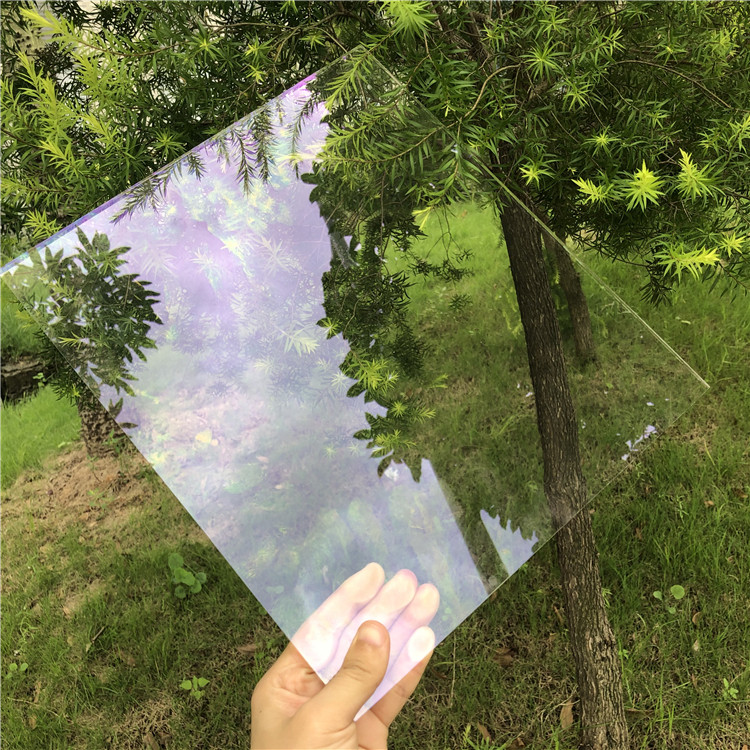 AR Glass
High-transmittance Anti-Reflection (AR) Coated Optical Glass
AR-coated optical glass for display windows, camera covers and instrument viewports. High transmittance and low reflection improve readability in bright Jacksonville outdoor and port environments.
Why Scratch-Resistant Glass Matters in Jacksonville’s Coastal and Industrial Economy
Jacksonville is not a generic U.S. glass market. It combines JAXPORT logistics, naval and aerospace programs, advanced manufacturing, healthcare, marine refit and a year-round outdoor display economy. In this environment, scratch resistance is a system property: substrate hardness, coating durability, edge quality, tempering, packing and installation all affect service life.
Marine Electronics & Yacht Helm Displays
Salt air, abrasive dock conditions and strong sun make AR-coated low-iron glass, hard-coated tempered glass or sapphire covers attractive for navigation displays, sensor ports and helm touch panels.
Port & Logistics Automation HMI
At JAXPORT-linked warehouses and freight hubs, control panels face dust, vibration and 24/7 use. Tempered glass with ceramic printing and scratch-resistant cover glass supports readable, durable HMIs.
Medical Device Touch Panels
Cleaners, repeated wipe-down and optical inspection demand smooth surfaces and repeatable cosmetics. Sapphire, AR-coated optical glass and ultra-thin substrates fit diagnostic and point-of-care assemblies.
Outdoor Kiosks & Smart City Displays
Florida sun and heat can wash out screens and accelerate surface wear. AG/AR treated low-iron glass reduces glare and fingerprints while protecting outdoor kiosks, wayfinding and drive-thru displays.
Aerospace & Defense Inspection Windows
Optical clarity, thermal stability and batch traceability matter in aerospace and defense supply chains. K9, quartz and sapphire options support inspection windows, sensor protection and calibration equipment.
Appliance & Consumer Control Glass
Decorative printed glass must survive daily cleaning and contact. CNC-drilled low-iron glass with high-temperature ink delivers graphics, holes and scratch resistance in one finished part.
Jacksonville Buyer Weighting for Scratch-Resistant Glass Suppliers
Illustrative weighting for supplier qualification; adjust the percentages to your drawing, coating specification and risk class.
Localized Trends Reshaping Jacksonville Glass Procurement
Procurement teams in Jacksonville are increasingly comparing suppliers on application engineering, documentation and delivery reliability — not only on price per square meter. These six trends appear repeatedly in RFQs for scratch-resistant glass and optical glass.
Port-Led Nearshoring and Consolidated Imports
JAXPORT makes consolidated import planning attractive. Buyers ask for mixed-product shipments, DDP options and packing that survives multi-leg logistics before final assembly in Florida or the Southeast.
Salt-Air, Humidity and UV Specification
Coastal installations push buyers to request AR/AG coating details, salt-mist review, edge protection, desiccant packing and clear cleaning instructions instead of generic “scratch-resistant” claims.
Outdoor Display and Kiosk Expansion
Drive-thru menus, logistics dashboards, tourism wayfinding and smart-city displays need anti-glare, anti-reflective and fingerprint-resistant covers that remain readable under bright Florida daylight.
Prototype-to-Production Flexibility
Startups, medtech teams and equipment OEMs want pilot lots before tooling-intensive commitments. Coated and optical parts often begin at 10–50 pieces, while standard tempered parts may start at 100–500 pieces.
Audit-Ready Traceability
Batch IDs, inspection photos, material records and change-control notes are becoming part of supplier qualification. Jacksonville buyers need documents that support internal quality audits and customer approvals.
Ultra-Thin and Sapphire Demand
Wearables, medical sensors and harsh-window applications are pulling advanced substrates into mainstream sourcing. Sapphire and ultra-thin glass are now evaluated alongside tempered and AR-coated glass.
The 10-Point Scorecard: How to Compare Top 10 Scratch-Resistant Glass Manufacturers & Exporters for Jacksonville
Rather than an unverifiable list of ten factory names, this buyer guide applies the ten-factor scorecard our export engineers use to separate a genuinely capable scratch-resistant glass manufacturer and exporter from a catalog-only trader. Score each supplier against your own drawing, coating and delivery requirements.
Application Fit
Define Mohs, haze, impact, thermal load, coating durability and cleaning exposure before comparing suppliers.
Substrate Depth
Check access to low-iron, K9, quartz, sapphire, Corning/Schott wafers and ultra-thin flexible glass.
Coating Durability
Review AR/AG adhesion, salt-air, UV, humidity and cleaning resistance rather than reflection values alone.
CNC Accuracy
Confirm holes, slots, step edges, chamfers, tolerances and repeatability from drawing to batch production.
Tempering Control
Validate flat or curved thermal tempering, heat-resistant grades and process control for thin or printed parts.
Optical Inspection
Agree transmittance, reflection, haze, flatness and cosmetic criteria with measurable inspection methods.
Printing & Integration
Check high-temperature ink, IR windows, logos, alignment and the ability to combine printing with coating.
Traceability
Ask for batch, material, process and inspection records that support supplier qualification and audits.
Export Packing & Terms
Review fragile-goods packing plus FOB, CFR, CIF, EXW, DDP, DDU, DAF or express shipment options.
Engineering Communication
Test drawing review, change control, sample loop and response speed before committing to volume.
Why Jacksonville Buyers Shortlist Dongguan AUVE Glass Co., Ltd.
AUVE is a deep-processing glass manufacturer integrating R&D, design, production and export in Songshan Lake, Dongguan — one of China’s leading electronics and optoelectronics clusters. The company was established in 2018, operates with 51–100 employees and a 1,001–2,000 m² facility, and exports to the United States, Canada, Russia, South Korea, Japan, Australia and other markets.
Factory-Direct, One-Roof Control
R&D, design, production and export are coordinated under one roof. That reduces hand-offs between cutting, edging, tempering, printing, coating and final inspection.
Engineering Review from Your Drawing
Send a CAD, DXF or PDF drawing with thickness, tolerance, edge, hole, printing and coating requirements. Engineers review manufacturability before production begins.
Full Finishing Menu
CNC cutting, edging, drilling, beveling, grooving, tempering, silk-screen printing, AR/AG coating and precision optical polishing can be combined in one production route.
Optical and Functional Coatings
AR anti-reflective, AG anti-glare, mirror and other functional coatings support display readability, low reflection and harsh-environment windows.
Export Packing and Incoterms
Protective film, interleaving paper, foam corner protection and fumigation-free wooden crates or reinforced cartons support fragile glass export. Incoterms include FOB, CFR, CIF, EXW, DDP, DDU, DAF and express.
≤7-Hour Average Response
Technical inquiries receive an average response within seven hours. That speed matters when Jacksonville engineering teams are comparing samples, lead times and drawing revisions.
Drawing and DFM Review
Material, tolerance, edge, hole, printing and coating requirements are checked before quoting.
Cutting and CNC Shaping
Automatic and CNC cutting from float, low-iron, optical and specialty stock.
Edging, Drilling and Cleaning
Edge grinding, beveling, grooving, holes, chamfers and surface preparation.
Tempering and Heat Treatment
Flat and curved thermal tempering for impact and thermal resistance where specified.
Printing and AR/AG Coating
High-temperature ceramic inks, logos, windows, anti-reflective and anti-glare finishes.
QC and Export Packing
Dimensional, visual and optical checks, followed by protective packing and batch labeling.
A Transparent Supplier Story, Not a Generic Catalog Claim
For a Jacksonville procurement team, trust is built on verifiable business information and process evidence. AUVE’s public profile, trade capacity, transaction level, credit index and buyer feedback are available for independent review before a sample order is placed.
Experience
Established in 2018 with export experience across the U.S., Canada, Russia, Japan, Korea and Australia.
Expertise
In-house engineering covers CNC, tempering, silk-screen printing, AR/AG coating, optical polishing and quality inspection.
Authoritativeness
Onsite-checked supplier data, trade capacity, transaction level and documented shipment history can be reviewed publicly.
Trustworthiness
Batch traceability, protective export packing, clear Incoterms and fast technical response reduce sourcing risk.
Frequently Asked Questions from Jacksonville Glass Buyers
These are the practical questions procurement, engineering and quality teams in Jacksonville ask when comparing scratch-resistant glass manufacturers and exporters.
How do Jacksonville buyers specify scratch resistance correctly?
Use application language rather than a generic “scratch-resistant” label. State the substrate, surface hardness target, coating type, cleaning chemicals, impact or thermal exposure, and inspection method. For example: “sapphire cover, Mohs 9, AR coated both sides, 0.5 mm thickness, ±0.05 mm tolerance, salt-air exposure review.” For tempered or low-iron glass, define haze, transmission, edge quality and cosmetic acceptance criteria. This makes supplier comparison objective and reduces sample disputes.
Can you ship glass to Jacksonville, FL, and which Incoterms are supported?
Yes. Export packing is designed for fragile glass parts, with protective film, interleaving paper, foam corner protection and fumigation-free wooden crates or reinforced cartons. Supported commercial terms include FOB, CFR, CIF, EXW, DDP, DDU, DAF and express delivery. For Jacksonville buyers, DDP can simplify door delivery and customs coordination, while FOB or CIF may suit teams with an established freight forwarder and JAXPORT import process.
What MOQ and sample quantities apply to scratch-resistant or optical glass?
MOQ depends on material and process. Many coated and optical glass parts start from 10 to 50 pieces, while standard ultra-clear tempered parts typically start from 100 to 500 pieces. Sample and pilot quantities can be discussed for new projects, especially when the part involves custom CNC features, silk-screen printing, AR/AG coating or unusual thickness. Send a drawing with quantity and target date for a realistic review.
How is glass protected during shipment to Florida’s humid climate?
Packaging should address both mechanical damage and moisture exposure. Typical controls include surface protective film, interleaving paper, foam or EVA corner protection, desiccant where appropriate, sealed inner bags for coated optics, fumigation-free wooden crates or reinforced cartons, and clear batch labels. For precision optical or AR-coated parts, ask for the packing method to be confirmed in the quotation so the protection level matches the value and sensitivity of the glass.
Which glass is best for marine, salt-air or outdoor kiosk use around Jacksonville?
Sapphire is usually chosen for the most scratch-critical or high-temperature windows. AR-coated low-iron glass improves display readability by reducing reflection, while AG anti-glare glass helps diffuse bright sunlight for outdoor kiosks. Tempered low-iron glass provides strength and design flexibility for larger covers. The correct choice depends on coating durability, cleaning exposure, impact risk and optical targets; a supplier should review the full environment rather than recommend one material for every coastal application.
What documentation supports supplier qualification and incoming inspection?
Request the supplier’s public company profile, onsite verification status, trade capacity, transaction level, credit index and buyer feedback. For production, ask for batch identification, material records, key dimensional and cosmetic inspection records, coating or printing process notes, packing specifications and change-control communication. AUVE’s average response time is within seven hours, which helps Jacksonville engineering teams close drawing questions quickly before releasing a purchase order.
Send Your Drawing for a Jacksonville-Ready Glass Recommendation
Share thickness, tolerance, coating, printing, quantity and delivery target. AUVE’s export engineers will confirm the substrate, process route, packing method and commercial terms — usually within seven hours. Use the inquiry button to start a live technical conversation without leaving this page.
info@auveglass.com