Top China Glass Substrate Manufacturer & Factories for the Berlin Market
Factory-direct tempered, AR/AG coated, printed, optical and specialty glass substrates for Berlin OEMs, laboratories, integrators and design studios — engineered to your drawing, packed for fragile export and supported by fast technical review.
Eight custom glass substrate products for Berlin sourcing teams
These are production-relevant substrates, not catalog ornaments. Each item can be adapted for dimensions, holes, edge finishing, printing and optical coating; send a drawing for a manufacturability review before you compare quotations.
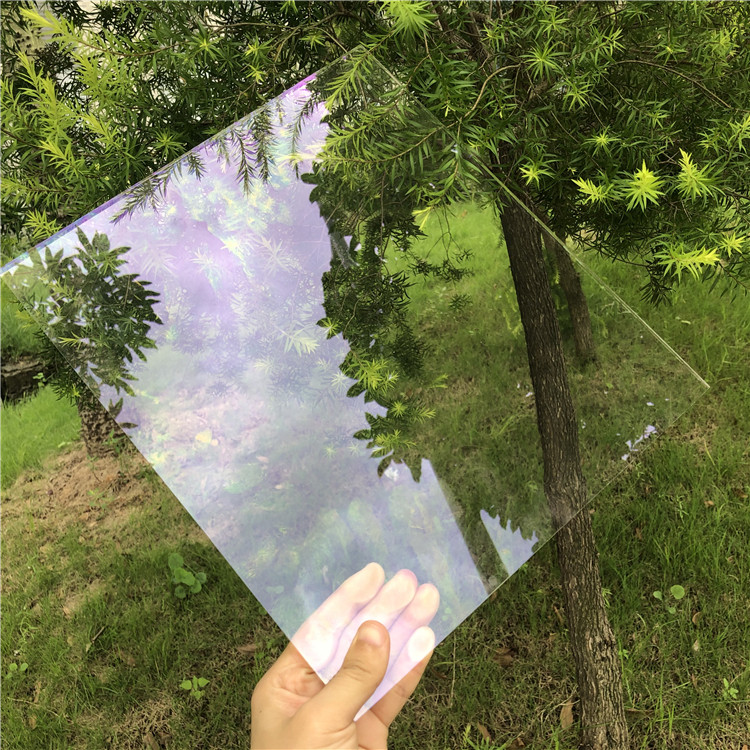
High-transmittance Anti-Reflection (AR) Coated Optical Glass
Low-reflection optical windows for display stacks, sensors and instrument covers; single-side or double-side AR can be reviewed against your reflectance target.
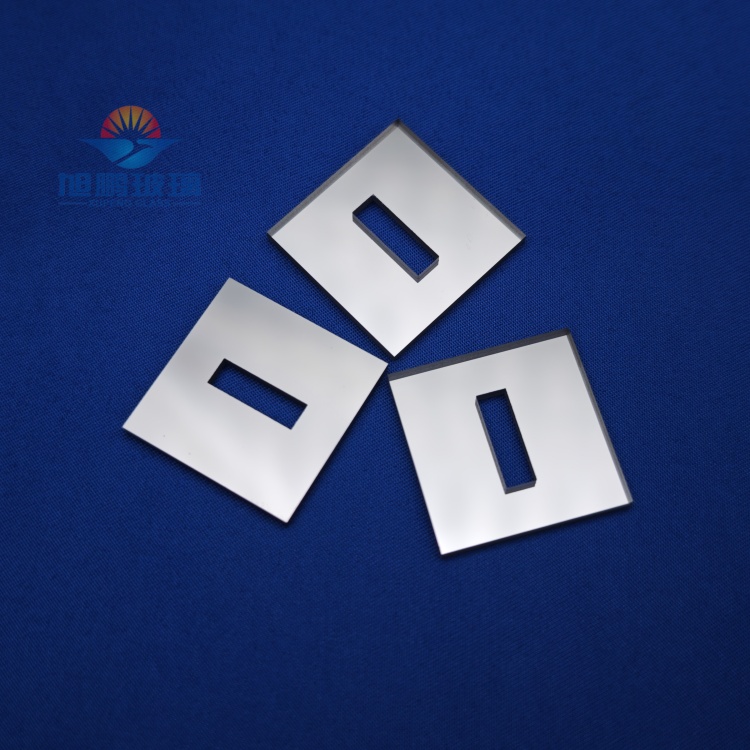
Silver-coated Mirror, Grooved at the Center of Glass
Decorative and functional mirror substrate with a center groove; suited to lighting reflectors, display bezels, architectural details and custom assemblies.

CNC Carved Low Iron Glass Sheet, High-temperature Screen Printed Tempered Glass, Drilled Glass Panel
CNC-carved low-iron glass with high-temperature screen printing and drilled features for control panels, appliance covers and integrated HMI assemblies.
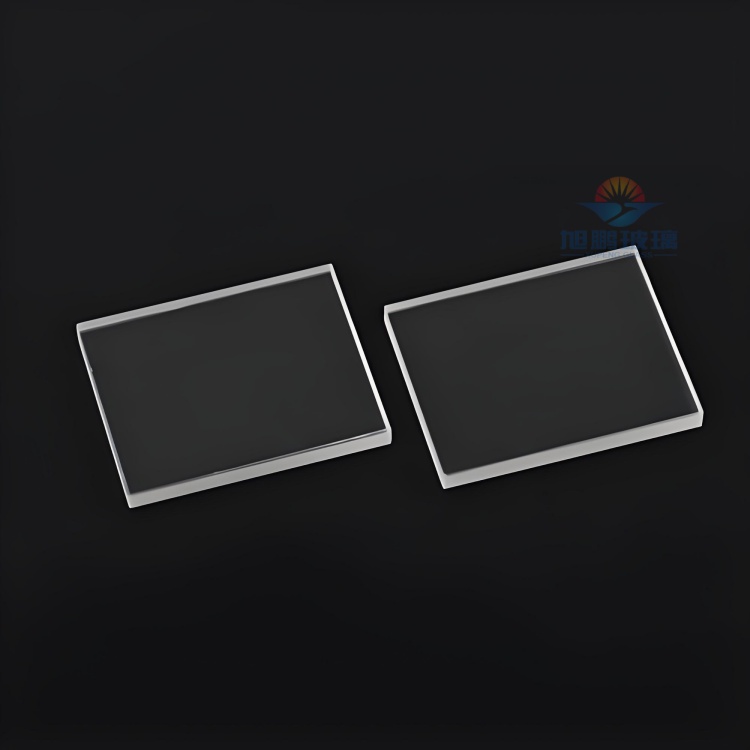
Tempered Glass Customized High Temperature Resistant, High Transparency and High Borosilicate Mirror Window Glass
Heat-resistant borosilicate window glass for ovens, sensors and laboratory equipment where thermal shock resistance and optical clarity matter.
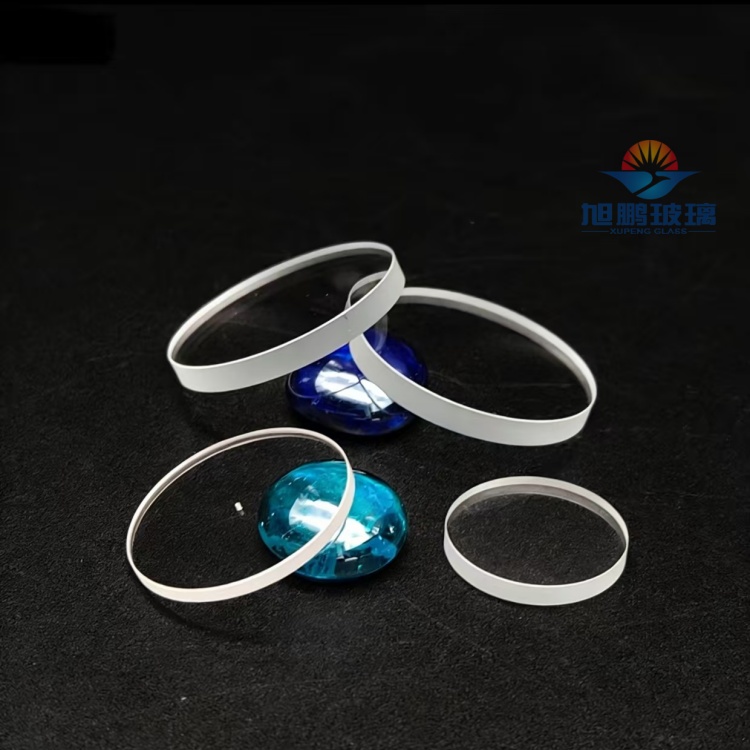
Sapphire Glass Step Window Wafers, High Temperature Resistant & High Light Transmittance Optical Sapphire Lenses
Sapphire step windows and lenses for high-temperature, scratch-critical sensor and optical assemblies where ordinary glass is not the best material choice.
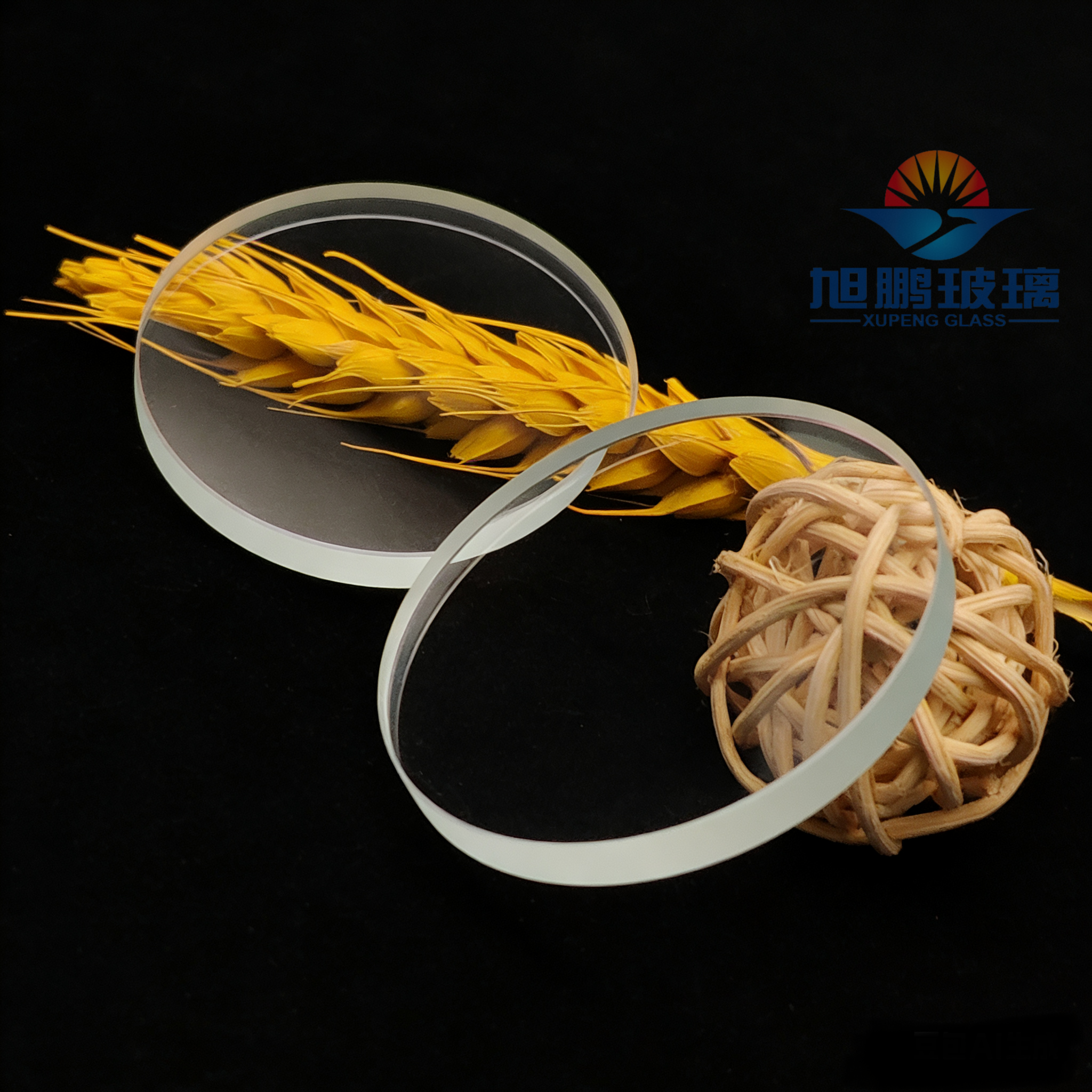
Low Iron Round High Transmittance Tempered Glass Panel with Precision Polished Edges, Flat Clear Glass
Round low-iron tempered panels with polished edges for precision equipment, lighting covers and display windows that need clarity without a green edge shift.
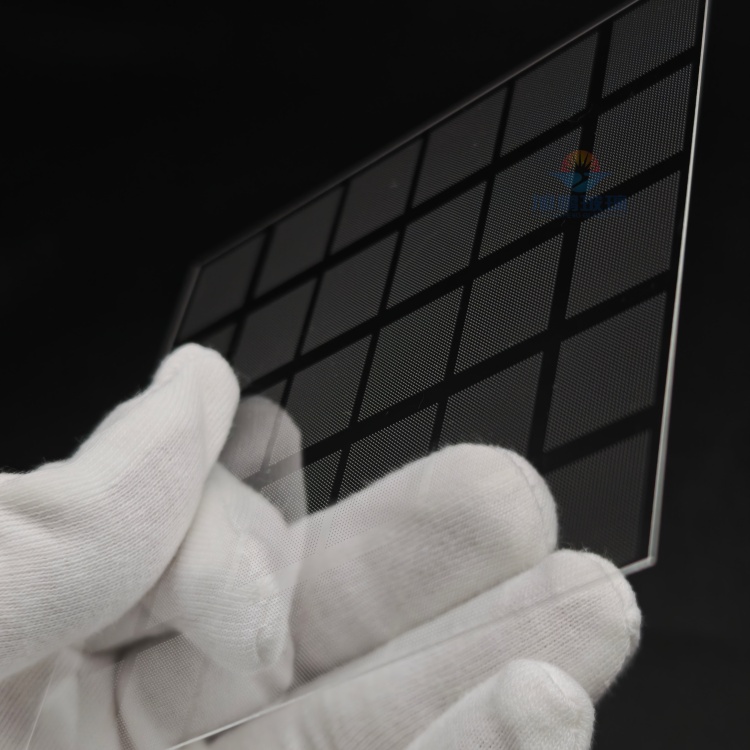
TGV Drilled Packaging Glass Substrate, Precision Laser Microvia Glass
Laser-drilled TGV glass substrate for advanced packaging, microvia R&D and semiconductor pilot lines where glass is used as a stable packaging material.

High-transmittance Anti-Reflection Coated Glass
High-transmittance AR-coated glass for touch modules, optical filters and display windows where reflection control improves contrast and readability.
Why Berlin buyers should evaluate a glass substrate factory as a process partner
Berlin and the wider Brandenburg region host a dense mix of advanced manufacturing, mobility, life-science, photonics, automation, display and architectural teams. For these buyers, a glass substrate is rarely a generic commodity. A panel specified for a Berlin HMI console, a laboratory viewport, an EV charging terminal or a museum display becomes part of an assembly that must survive transport, installation, cleaning, thermal cycling and daily use.
The most useful question is therefore not “which China glass substrate manufacturer is cheapest?” but “which factory can keep the material grade, edge quality, printing, coating and packing route stable from sample to series production?” AUVE Glass uses a drawing-first workflow: thickness, tolerance, edge profile, holes, printing, coating and packing requirements are reviewed before quotation. This reduces the hidden interfaces that appear when cutting, tempering, printing and coating are split across different subcontractors.
For Berlin projects, logistics also belongs in the technical review. Berlin is not a port city; typical sea freight moves through Hamburg or Bremerhaven and then by road, while samples and urgent parts can move by air to Berlin Brandenburg Airport or by express courier. DDP can simplify landed-cost planning, but the importer should still clarify customs, duty and VAT responsibilities with its broker. A quotation that ignores packing, breakage allowance and documentation is not a true landed-cost comparison.
Information-gain checklist before you compare prices
- Ask for the process route, not only the material name.
- Confirm whether sample and pilot quantities can be produced on the same line as series orders.
- Require a packing specification for fragile glass, including corner protection and batch labels.
- Review the inspection plan: dimensional, visual, edge, hole, print and optical checks.
- Clarify shipping terms to Berlin: FOB, CFR, CIF, EXW, DDP, DDU, DAF or express.
- Keep a sample-to-production gate so the approved sample becomes the reference for mass production.
Where glass substrates fit in Berlin and Brandenburg projects
Berlin buyers often work at the intersection of design, electronics, architecture and precision engineering. The same substrate may need optical clarity, clean edges, printable graphics, thermal resistance and export-safe packing at the same time.
Smart building and façade control
Berlin’s building modernisation and energy-efficiency work creates demand for low-iron tempered covers, printed control panels, switch covers and decorative glass for building automation. Stable colour, clean drilling and edge quality matter for installers and facility teams.
Display, kiosk and digital signage
Public kiosks, museum displays, industrial monitors and retail signage benefit from AR anti-reflective or AG anti-glare glass. The goal is readable content under strong ambient light, with a surface that supports cleaning and repeated handling.
E-mobility and charging HMI
EV charging terminals, fleet dashboards and mobility hardware need scratch-resistant, high-transparency cover glass that can survive outdoor use. Tempered low-iron glass, AR/AG coating and printed graphics can be combined in one part.
Medical, laboratory and diagnostics
Berlin-Brandenburg life-science teams use borosilicate, quartz, sapphire and optical glass for viewports, sensor windows, instrument covers and diagnostic hardware. Material choice should be confirmed against cleaning agents, temperature cycles and optical requirements.
Photonics, research and optical instruments
Research institutes and photonics companies need optical windows, lenses and wafers with controlled transmission and clean surfaces. K9, fused quartz, sapphire and alkali-free glass can be specified for prototypes and pilot builds.
Advanced packaging and semiconductor R&D
TGV drilled glass substrates and alkali-free glass wafers support advanced packaging, microvia research and semiconductor pilot lines. For Berlin research groups and hardware start-ups, pilot quantities and engineering feedback can be more valuable than a large minimum order.
Match the glass substrate to the Berlin application, not the other way around
Use this shortlist to frame an RFQ. Final specifications should always be confirmed against your drawing, test standard and assembly method before mass production.
Ultra-clear low-iron tempered glass
Best for control panels, appliance covers, LED lighting, light boxes and display covers where a green edge tint is undesirable. Tempering improves mechanical strength compared with annealed glass.
AR anti-reflective coated glass
Useful for touch modules, all-in-one PCs, instrument windows and museum display glazing where surface reflection reduces contrast. Single-side and double-side AR can be discussed with your optical target.
High borosilicate glass
A practical choice for heat-resistant windows, laboratory equipment and sensor covers. It is often specified when dimensional stability and resistance to temperature change are more important than ordinary soda-lime glass.
Sapphire glass
Selected for scratch-critical or high-temperature windows such as sensor covers and optical components. Sapphire is harder than ordinary glass, but the design should account for cost, thickness and mounting stress.
Silver-coated mirror glass
Used in lighting reflectors, display bezels, decorative panels and custom assemblies. Center grooves, holes and edge profiles should be reviewed early because they can affect coating uniformity and handling.
TGV and semiconductor glass substrates
Laser-drilled TGV glass, Corning EXG-style alkali-free substrates and other precision wafers serve advanced packaging and R&D. These projects demand clean microvias, flatness control and careful packing.
Typical transmission, reflection and strength values are reference points for material selection, not a substitute for drawing-based approval. Confirm final tolerance, coating and test requirements before series production.
Glass substrate trends Berlin buyers are designing for now
Berlin’s project mix rewards suppliers who can handle high-mix, engineering-led orders and provide clear documentation, not only low piece prices.
High-mix, low-volume development
Hardware start-ups, research institutes and system integrators often need prototype and pilot batches before committing to tooling or large orders. Suppliers that can discuss 10–50 piece optical/coated runs and 100–500 piece standard tempered runs are easier to work with.
Energy-efficient buildings and lighting
Building automation, LED lighting and light boxes continue to favour low-iron tempered glass with high visible transmission. Printed borders, touch windows and cut-outs can consolidate several functions into one glass part.
Display readability in public spaces
Kiosks, ticketing machines, industrial HMIs and museum displays need AR or AG treatment to reduce glare and reflection. The coating should be specified alongside cleaning, durability and optical requirements.
Advanced packaging and photonics
Berlin’s research and deep-tech ecosystem is exploring TGV glass, alkali-free wafers, sapphire and quartz windows. These projects reward early manufacturing review because microvia design, flatness and packing can strongly affect yield.
A practical checklist for qualifying a China glass substrate factory
For Berlin procurement teams, a factory visit is not always possible before the first order. A structured document review and sample gate can still reduce risk. Ask for process ownership, inspection points, packing details and a clear escalation path for engineering questions.
Do not qualify a supplier on one polished sample alone. Check whether the same process route will be used for the pilot and series order, and whether the approved sample will become the reference for final inspection. This is especially important for AR/AG coating, silk-screen printing and drilled or CNC-carved glass.



Why Dongguan AUVE Glass is a practical partner for Berlin market projects
Dongguan AUVE Glass Co., Ltd. is a deep-processing glass manufacturer integrating R&D, design, production and export in Songshan Lake, Dongguan — one of China’s electronics and optoelectronics clusters. We support Berlin-bound projects from our Dongguan factory; shipment route and commercial terms are quoted project by project.
Factory-direct deep processing
Cutting, CNC shaping, edging, drilling, tempering, silk-screen printing, AR/AG coating and final inspection are aligned under one production system.
Engineering-led customization
Send CAD, DXF or PDF drawings with thickness, tolerance, edge, hole, printing and coating requirements; the team reviews manufacturability before production.
Documented quality route
Production follows defined process standards and a documented quality management system, so batches can be traced from raw sheet to packed carton.
Fast technical response
Average response time is within 7 hours. For Berlin enquiries, include the drawing, quantity, application, coating requirement and preferred Incoterm to speed up the review.
Export packing and trade terms
We support FOB, CFR, CIF, EXW, DDP, DDU, DAF and express delivery, with protective packing designed for fragile glass parts and multi-stage transport.
Verifiable supplier credentials
Review our onsite-checked profile, credit index, transaction level, trade capacity, trade history and buyer ratings before placing a sample or bulk order.
From drawing to Berlin delivery: six process gates that reduce risk
Each gate is a chance to catch a mismatch before it becomes a shipment problem. This is particularly useful for high-value coated, printed, drilled or optical glass parts.
Drawing and DFM review
Check material, thickness, tolerance, edge, holes, print and coating requirements before quotation.
Precision cutting
Automatic and CNC cutting from float, low-iron, borosilicate and optical stock.
CNC edging and drilling
Edge grinding, beveling, grooving, holes and laser processing are checked before thermal treatment.
Tempering
Flat and curved thermal tempering supports impact resistance and thermal performance for demanding covers.
Printing and coating
High-temperature ceramic inks, AR/AG coatings and mirror coatings are applied to the agreed specification.
QC and export packing
Dimensional, visual and optical checks are followed by protective film, corner protection and export cartons or crates.
Commercial details Berlin buyers usually ask about
Clear assumptions at the quotation stage avoid surprises later. Confirm the final Incoterm, packaging specification and inspection plan before the order is released.
Routing to Berlin
Sea freight via Hamburg or Bremerhaven plus road transport is common; air freight to Berlin Brandenburg Airport or express courier is suitable for samples and urgent parts.
Incoterms and customs
FOB, CFR, CIF, EXW, DDP, DDU, DAF and express delivery can be discussed. DDP can simplify planning, but the importer should confirm duty, VAT and customs responsibilities.
MOQ and pilot quantities
Many coated and optical glass parts start from 10 to 50 pieces, while standard ultra-clear tempered parts typically start from 100 to 500 pieces. Sample and pilot quantities can be discussed for new projects.
Packing and documentation
Protective film, interleaving paper, foam corners, wooden crates or reinforced cartons and batch labels can be specified. Commercial invoice, packing list and inspection records are prepared for export.
Frequently asked questions from Berlin glass buyers
These are the practical questions procurement and engineering teams ask when sourcing custom glass substrates from China for Berlin projects.
Can a Berlin company buy custom glass directly from a China manufacturer?
Yes. Many Berlin OEMs, laboratories, integrators and distributors buy drawing-based glass parts directly from China. AUVE Glass supports the process with drawing review, sample discussion, production and export packing. For Berlin, shipping can be arranged by sea through Hamburg or Bremerhaven, by air to Berlin Brandenburg Airport, or by express for small samples.
What information should we include in an RFQ for a glass substrate?
Send a CAD, DXF or PDF drawing with dimensions, thickness, tolerance, edge profile, holes, cut-outs, printing, coating, quantity and application. If you have a preferred Incoterm or delivery address in Berlin, include it so the quotation can reflect the correct logistics route. Photos of the assembly or a sample reference also help.
What is the minimum order quantity for Berlin projects?
MOQ depends on material and process. Many coated and optical glass parts start from 10 to 50 pieces, while standard ultra-clear tempered parts typically start from 100 to 500 pieces. New projects can discuss sample and pilot quantities. The final MOQ should be confirmed after the drawing and process route are reviewed.
Can you support prototypes before a series order?
Yes, sample and pilot quantities can be discussed for new projects. The most efficient route is to approve a sample that represents the intended process route, then use that approved sample as the reference for final inspection. This is especially important for AR/AG coating, silk-screen printing and drilled or CNC-carved glass.
How do you control quality for fragile glass parts shipped to Berlin?
Quality control covers dimensional, visual, edge, hole, print and optical checks depending on the product. Production follows defined process standards and a documented quality management system, with traceability from raw sheet to packed carton. The inspection plan and packing specification should be agreed before production, particularly for high-value coated or optical parts.
Which shipping terms are available for Germany?
We support FOB, CFR, CIF, EXW, DDP, DDU, DAF and express delivery. For Berlin, DDP may be attractive for landed-cost planning, but the importer should still confirm duty, VAT and customs procedures with its broker. For prototypes, express delivery is often simpler; for larger orders, sea freight plus road transport is common.
Can you provide documentation for EU compliance review?
Commercial invoice, packing list and inspection records can be prepared for export. Material or process documentation can be discussed based on the final material and application. The buyer should confirm the applicable EU and German requirements for its end product with its compliance team or customs broker; final compliance responsibility depends on the finished application.
How quickly can we receive a technical response?
Our average response time is within 7 hours. To speed up the review, include your drawing, target quantity, application, operating environment, coating or printing requirement and preferred delivery term to Berlin. If the project is urgent, state the target sample date and the required shipping method.
Send your Berlin project drawing for an engineering review
Share the size, thickness, tolerance, edge, hole, printing and coating requirements. Our team will review the process route, discuss sample or pilot quantities and confirm the next step for your Berlin-bound glass substrate project.
Get a Quote info@auveglass.com