Eight Factory-Direct Glass Products to Shortlist for Cebu City Light-Box Programs
These live product images and URLs are kept exactly as supplied. The core application in this guide is ultra-white glass for advertising light boxes, while the wider portfolio shows adjacent deep-processing capability that Cebu City buyers often consolidate with the same qualified source.
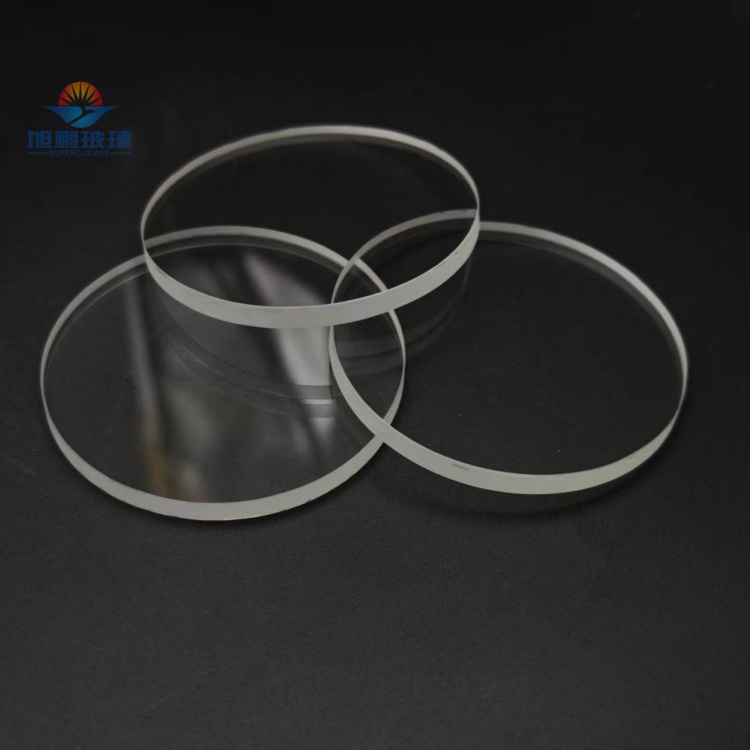
K9 Optical Glass (K9 Crystal Glass) for Optical Instruments
Borosilicate crown glass for lenses, prisms and instrument windows; a benchmark for buyers who also require optical-grade clarity.
View product →
Ultra-thin Optical Glass Sheets Schott B270/D263T Semiconductor Electronic Glass Blank Cutting & Processing
Thin-sheet cutting and processing capability for display, electronic and semiconductor-adjacent custom glass projects.
View product →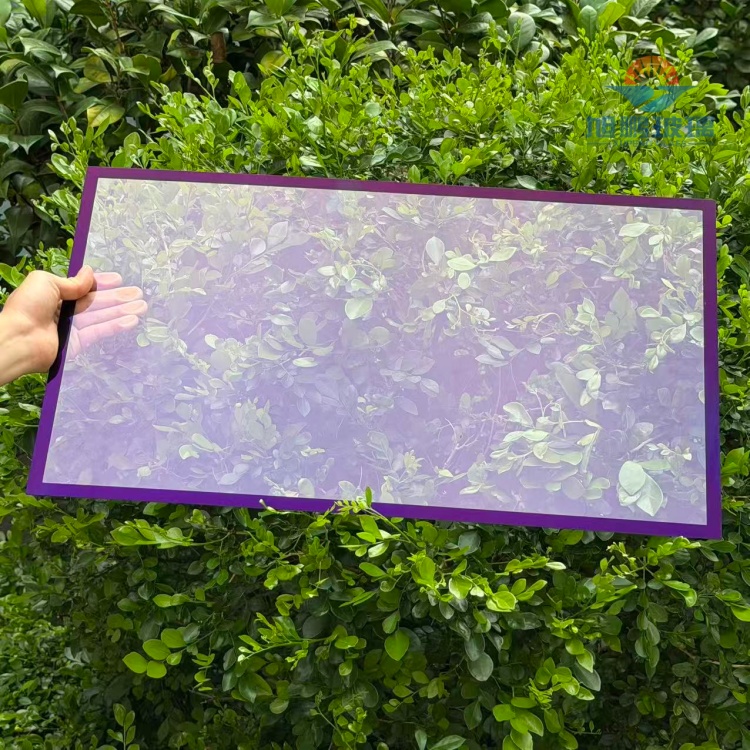
27-inch All-in-One PC AR Coated Glass
Large-format AR-coated cover glass for display integration where reflection control and visual comfort are critical.
View product →
Schott BF33 TGV Microvia Glass Wafer, Packaging Substrate for Sensors & Chips
Glass wafer packaging substrate capability for sensor and chip applications, showing the factory's precision glass roadmap.
View product →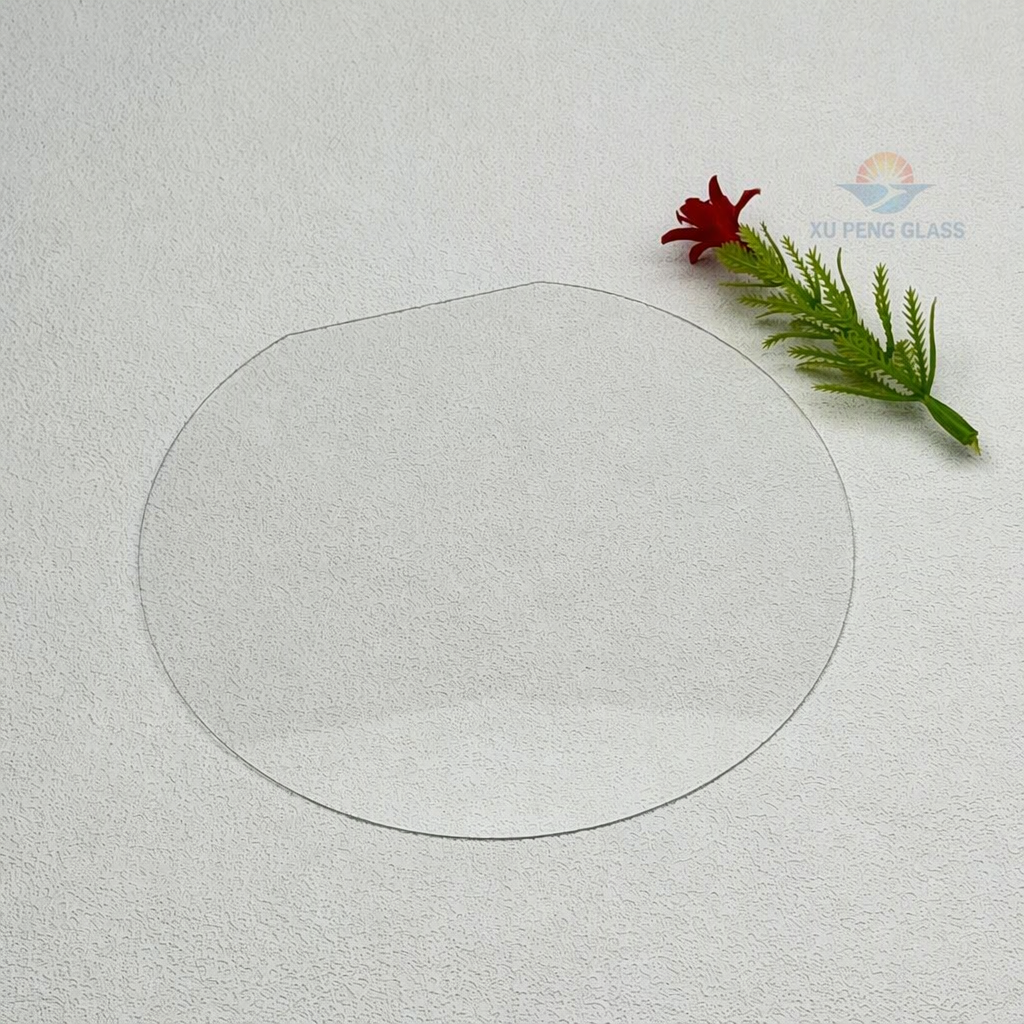
Ultra-thin High-precision Optical Glass Wafer, Corning / SCHOTT / Fused Silica
High-precision wafer supply in Corning, SCHOTT and fused silica routes for buyers comparing optical material options.
View product →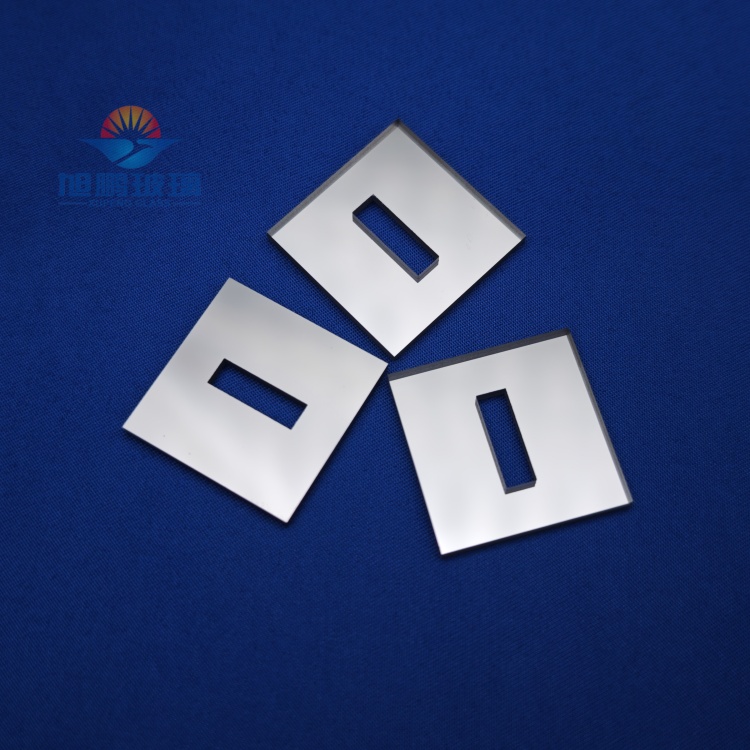
Silver-coated Mirror, Grooved at the Center of Glass
Center-grooved silver mirror glass for decorative, feature-wall and reflective light-box concepts that need precision fabrication.
View product →
Ultra-thin Flexible UTG Glass, bendable and foldable, suitable for commercial aerospace and new energy industries
Flexible ultra-thin glass for foldable and advanced applications, indicating thin-glass handling and future-facing material capability.
View product →
Custom Ultra-White Clear Tempered Glass Socket Decorative Cover for Stairways
Custom ultra-white tempered glass with cut-outs and decorative finishing, the closest visual reference for low-iron clarity in this list.
View product →A White-Paper Brief for Cebu City Signage, Retail and Facilities Buyers
Why ultra-white glass deserves a specification-level discussion, not just a price comparison, when advertising light boxes are destined for Cebu City.
Advertising light boxes in Cebu City operate in a market where visual clarity, energy efficiency and maintenance intervals directly affect brand perception. From retail corridors in Cebu Business Park and IT Park to high-traffic mall directories, hotel wayfinding, BPO campus signage, hospital directories and transport terminals, the face of a light box is often the first brand cue a customer sees. The material decision is not cosmetic. A low-iron ultra-white glass front can preserve colour fidelity, reduce the green cast associated with ordinary float glass, and give LED modules a cleaner diffusion surface. In Cebu's tropical environment, glass also needs stable edge work, moisture-aware assembly and a supply chain that understands fragile export packing.
Most supplier pages list thickness and MOQ. This guide adds information gain for Cebu City procurement: how ultra-white glass behaves with backlit LEDs, which coating options to choose for indoor malls versus outdoor signage, how humidity and salt-laden air near the coast influence edge sealing and frame design, and what local buyers should verify before confirming a China order. The goal is to help Cebu City fabricators and brand owners compare suppliers with a clearer technical lens, rather than treating glass as an interchangeable commodity.
Dongguan AUVE Glass Co., Ltd. is a deep-processing glass manufacturer established in 2018 in Songshan Lake, Dongguan. The company integrates R&D, design, production and export, and processes flat and curved tempered glass, ultra-clear low-iron glass, laminated and painted glass, LCD and touch screen glass, LED lighting glass, instrument glass, AR anti-reflective glass, AG anti-glare glass and optical materials such as K9, quartz, sapphire and Corning EXG. Its facility is in the 1,001–2,000 m² range, with 51–100 skilled employees, an average response time of 7 hours or less and export experience across the United States, Canada, Russia, South Korea, Japan and Australia. For Cebu City buyers, that combination matters because cutting, edging, drilling, tempering, silk-screen printing and coating can be reviewed under one factory-direct process instead of being split across multiple vendors.
Confirm the glass chemistry, visible light transmission, edge condition, tempering route, print firing temperature, coating durability, packing method and whether the supplier can provide a dimension report against your drawing. A sample that looks clear on a desk is not enough for a 24/7 LED light box in a humid, high-traffic environment.
Where Ultra-White Glass for Advertising Light Boxes Fits in Cebu City
Cebu City is not a single market. The same glass specification can perform very differently in an air-conditioned mall, a coastal transport terminal or a 24/7 BPO wayfinding system.
Mall directories and retail fascia
Cebu City mall tenants and fit-out contractors use light boxes for directory panels, storefront fascia and promotional windows. Ultra-white glass improves colour neutrality, while AR coating can reduce reflection from atrium lights and polished floors.
BPO and IT Park wayfinding
24/7 corporate campuses need stable illumination and easy-to-clean surfaces. Tempered ultra-white glass with printed icons and controlled haze supports wayfinding systems that must remain readable under continuous LED operation.
Hotels, restaurants and tourism
Cebu City hospitality projects use backlit menu boxes, lobby feature signs and branded wall panels. Low-iron glass helps warm and cool LED tones stay faithful, and edge polishing gives the finished light box a premium architectural detail.
Healthcare and pharmacy signage
Hospitals, laboratories and pharmacies require clear, low-friction wayfinding. Ceramic-ink printing, tempered safety glass and easy-clean surfaces are practical for high-touch public spaces and maintenance teams.
Ports, transport and public wayfinding
Near coastal and transport environments, humidity, salt air and vibration matter. Specify sealed frames, protected edges, tempered glass and AG surface options where glare from daylight or terminal lighting is severe.
Real estate showrooms and events
Property launches and retail pop-ups often need attractive prototypes fast. Custom sizes, edge-lit details, mirror accents and silk-screen graphics can be combined with ultra-white glass to create a polished visual centrepiece.
Three Procurement Shifts Shaping Cebu City Light-Box Glass Demand
These trends are practical observations for signage contractors, fit-out specialists and brand procurement teams who source custom glass from China.
Slimmer boxes, better materials
Retail and hospitality projects are moving toward slimmer edge-lit and backlit boxes with cleaner junctions. That puts more pressure on glass flatness, edge quality and print alignment. A low-iron ultra-white face helps the light source read more evenly and avoids the dull green edge tint that can become obvious in premium interiors.
Longer service intervals
Facility teams in Cebu City are asking for signage that stays presentable through heat, humidity and continuous LED operation. Glass is attractive because it is scratch-resistant, easy to wipe down and dimensionally stable. The specification should still include tempered safety, suitable edge sealing and a frame design that manages heat and moisture.
Factory-direct, drawing-led sourcing
More Cebu City fabricators are sending CAD or PDF drawings directly to China glass factories instead of buying generic cut sheets locally. The benefit is control over thickness, tolerance, silk-screen printing, coating and packing. The trade-off is that buyers must verify the supplier's engineering review, export documentation and fragile-goods packing discipline.
How to Specify Ultra-White Glass for LED Advertising Light Boxes
A visual comparison and practical selection matrix for Cebu City projects. Values are typical reference points for material selection and should be confirmed against your drawing and agreed test standard.
Typical Visible-Light Transmission Reference
Low-iron glass is used where colour neutrality matters. AR coating can further reduce surface reflection in display-critical light boxes.
Why not simply use ordinary clear glass?
For a light box, the glass is part of the optical system. A small colour shift can become obvious when a white LED panel is viewed beside a white wall or a premium brand display.
- Colour fidelity: low-iron glass reduces the green cast linked to iron content in standard float glass.
- Surface strategy: AR lowers reflection for indoor displays; AG diffuses glare in bright public areas.
- Safety and durability: tempered glass is preferred for public-facing panels; edge quality and frame design must be reviewed together.
- Cebu climate: use moisture-aware assembly, protected edges and packing suitable for sea freight to the Philippines.
| Specification Area | Recommended Direction | Cebu City Design Note |
|---|---|---|
| Glass material | Low-iron ultra-white glass for colour-neutral LED diffusion | Use for premium retail, hotel and brand environments where white balance is visible. |
| Thickness | 3–6 mm common for light-box faces; larger spans may require engineering review | Confirm frame depth, wind load, mounting method and glass size before final selection. |
| Tempering | Tempered or heat-strengthened route for public-facing safety glass | Specify edge polishing and avoid chips or sharp corners that can concentrate stress. |
| Edge finish | Flat polished, pencil edge or bevel depending on frame design | Clean edges support slim frames commonly used in Cebu City mall and retail fit-outs. |
| Printing | High-temperature ceramic ink for durable graphics, logos and masking | Use artwork files with safe margins; confirm colour reference and diffusion requirements. |
| Coating | AR anti-reflective for high-contrast indoor displays; AG anti-glare for bright or outdoor-facing boxes | Request a sample under actual LED colour temperature and ambient lighting. |
| LED integration | High-CRI LED modules with stable thermal design | Keep air gaps, avoid hot spots and coordinate glass size with the light-box frame. |
| Export packing | Protective film, foam corners, interleaving and fumigation-free wooden crates | Plan for sea freight to Cebu and confirm handling labels, batch labels and replacement parts. |
Final thickness, tolerance, coating performance and safety requirements must be confirmed against your drawing, project condition and agreed inspection standard.

Why Cebu City Buyers Shortlist Dongguan AUVE Glass
Dongguan AUVE Glass Co., Ltd. is not a trading-only catalogue. It is a deep-processing glass manufacturer that integrates R&D, design, production and export, with a stated focus on high-end glass, pioneering and innovating. For a Cebu City light-box project, that means your drawing can be reviewed across cutting, CNC edging, drilling, tempering, silk-screen printing, AR/AG coating and quality control before shipment.
The company is located in Songshan Lake, Dongguan, one of China's electronics and optoelectronics clusters. Production follows defined process standards and a documented quality management system, so every batch can be traced from raw sheet to packed carton. Buyers can review independently verifiable supplier information, including onsite assessment, credit index, transaction level, trade capacity, ratings and trade history before committing to a pilot order.
- Business type
- Manufacturer & trading
- Location
- Dongguan, Guangdong, China
- Team size
- 51–100 employees
- Main export markets
- USA · Canada · Russia · Japan · Korea · Australia
One controlled process
Cutting, CNC shaping, drilling, tempering, printing and coating can be coordinated in-house, reducing handoff risk.
Drawing-first review
CAD, DXF or PDF files can be reviewed for manufacturability before production, including edge, hole and print requirements.
Export-ready packing
Fragile-goods packing with protective film, foam corners and wooden crates supports sea, air and express shipments.
Response under 7h
Average technical response is within 7 hours, useful when Cebu City fit-out schedules are moving quickly.
Precision cutting
Automatic and CNC cutting from float, low-iron and optical stock.
CNC edging & drilling
Edge grinding, beveling, grooving, holes and laser punching.
Tempering
Flat and curved thermal tempering for impact and thermal resistance.
Silk-screen printing
High-temperature ceramic inks, logos, windows and icons.
AR / AG coating
Anti-reflective, anti-glare, mirror and functional coatings.
QC & export packing
Dimensional, visual and optical checks, then protective packing.
Common Questions from Cebu City Glass Buyers
Direct answers for signage fabricators, advertising contractors, fit-out specialists and brand owners comparing China suppliers.
Do you supply ultra-white glass for advertising light boxes in Cebu City?
Yes. The factory can review ultra-white low-iron glass for light-box face panels, cut to drawing and processed with edge polishing, drilling, tempering, silk-screen printing, diffusion ink, AR coating or AG coating depending on the project. Send a drawing with size, thickness, quantity, LED layout and surface requirements for an engineering review.
What is the minimum order quantity for a Cebu City project?
MOQ depends on material and process. Many coated and optical glass parts start from 10 to 50 pieces, while standard ultra-clear tempered parts typically start from 100 to 500 pieces. Sample and pilot quantities can be discussed for new projects, especially when a Cebu City fabricator is testing a new light-box design before a mall rollout.
Can you produce glass to my own CAD, DXF or PDF drawing?
Yes. Provide a CAD, DXF or PDF drawing with thickness, tolerance, edge, hole, printing and coating requirements. The engineering team reviews manufacturability before production, covering CNC cutting, edging, drilling, tempering, silk-screen printing and AR/AG coating. This drawing-first step is important for Cebu City buyers who need the glass to fit an existing frame or imported LED module.
Which Incoterms and shipping methods do you support for the Philippines?
The supplier supports FOB, CFR, CIF, EXW, DDP, DDU, DAF and express delivery, with export packing designed for fragile glass parts. For Cebu City, buyers usually compare sea freight to Cebu, air freight for urgent samples and express for small technical samples. Confirm the best route with your freight forwarder and customs broker before finalising the order.
How is the glass packed for sea freight to Cebu?
Export packing can include interleaving film or paper, foam corner protection and fumigation-free wooden crates or reinforced cartons. Each batch can be labelled for project identification. Because glass for advertising light boxes may be large, thin and visible on both faces, packing discipline is as important as the glass specification itself.
Will ultra-white glass yellow under continuous LED light?
Glass is generally chosen for dimensional stability and scratch resistance, but the complete light-box assembly still matters. Use a controlled low-iron glass specification, compatible ceramic inks and a frame design that manages LED heat and moisture. For premium Cebu City retail or hospitality projects, request samples and review them under the actual LED colour temperature before mass production.
Should I choose AR coating, AG coating or both?
AR anti-reflective coating is usually selected where the light box sits behind a glossy surface or in a high-contrast indoor environment, because it reduces surface reflection. AG anti-glare is useful where bright ceiling lights, daylight or outdoor conditions create glare. Some projects combine etched AG with AR or use silk-screen diffusion ink to balance brightness. The right choice depends on viewing distance, ambient light and the brand's visual standard.
How quickly can the supplier respond to a technical inquiry?
The stated average response time is within 7 hours. For faster review, include your drawing, target quantity, destination port or city, glass thickness, edge requirement, printing artwork and whether the application is indoor, outdoor or coastal. Cebu City buyers can also mention whether the light box will be used in a mall, BPO campus, hotel, hospital or transport environment, as that helps the factory recommend the correct surface and packing approach.
Ready to Compare Ultra-White Light-Box Glass for Cebu City?
Send your drawing, target quantity and application photos. The manufacturer can review low-iron glass, tempering, edge work, silk-screen printing, AR/AG coating and export packing, then confirm the practical process route for your Cebu City project.
Inquire Now