Eight custom glass products for Columbus sourcing teams
The shortlist below preserves the live AUVE product URLs. It covers printed tempered glass, safety/filter glass, AR-coated optics, high-temperature ceramic glass-ceramic, aluminosilicate windows, semiconductor wafers, SCHOTT ultra-thin substrates and 0.03 mm flexible glass. Each item can be adapted in size, thickness, edge profile, holes, printing, coating and packing after drawing review.

Welding Black Filter Glass, Beveled Edge Grinding, Long Irregular-shaped Welding Filter Glass
For welding helmets, protective goggles and industrial viewing windows; irregular outlines and beveled edges help reduce edge chipping and assembly risk.
View product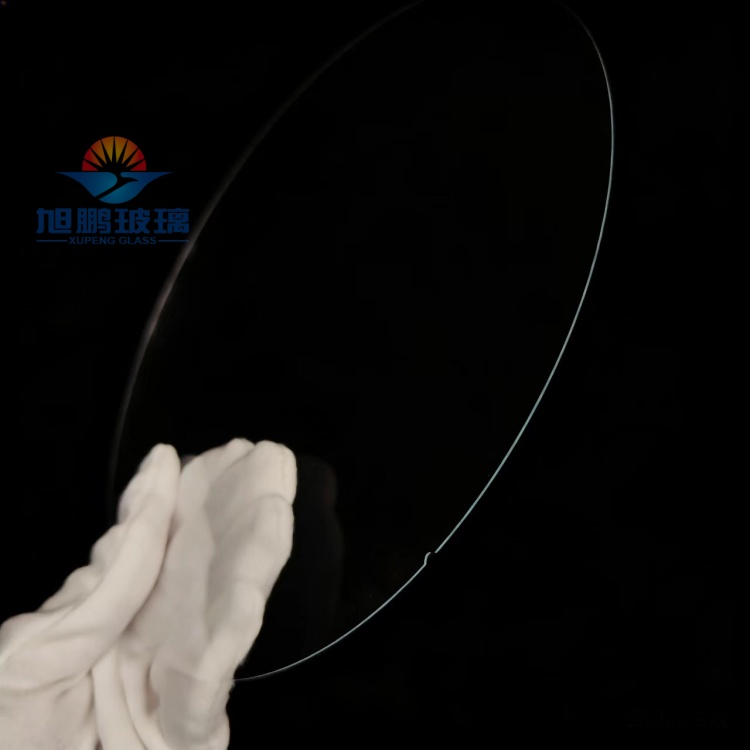
Corning EXG Glass Wafer, Double-Sided Polished Custom Fabrication for Semiconductor Glass Wafers
Alkali-free EXG wafers, double-side polished for semiconductor, MEMS and display substrate development where flatness and surface quality are critical.
View product
Schott Ultra-thin Optical Glass Sheets, 0.1mm, 0.5mm, 0.7mm, 1.1mm, Raw Semiconductor Electronic Glass Substrates
Ultra-thin optical glass sheets for sensors, electronic glass and precision substrates; thickness, flatness, cutting and cleaning requirements are confirmed to drawing.
View product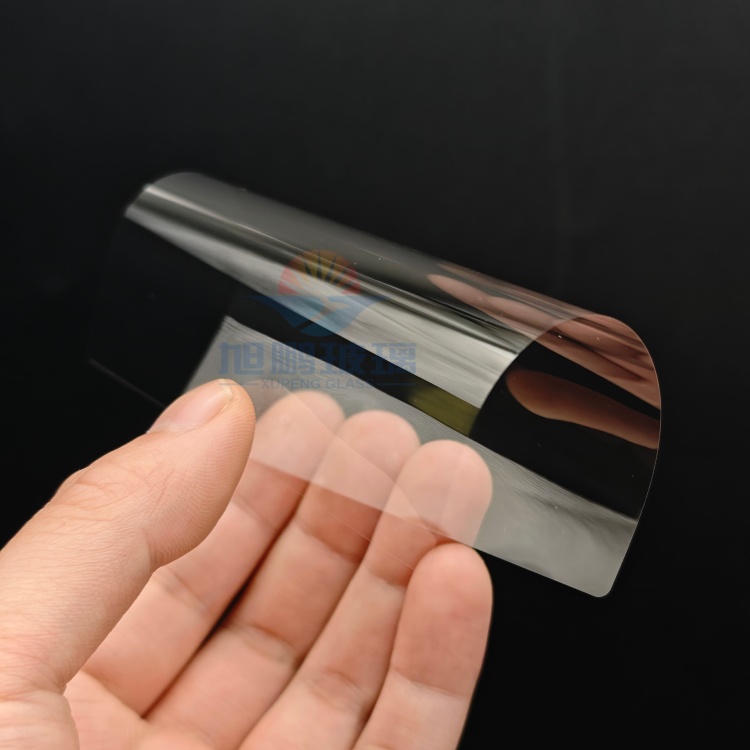
0.03 mm Ultra-thin Flexible Bendable Glass
Bendable 0.03 mm glass for foldable displays, flexible electronics and thin-film research; supplied with handling and packing controls for fragile thin glass.
View product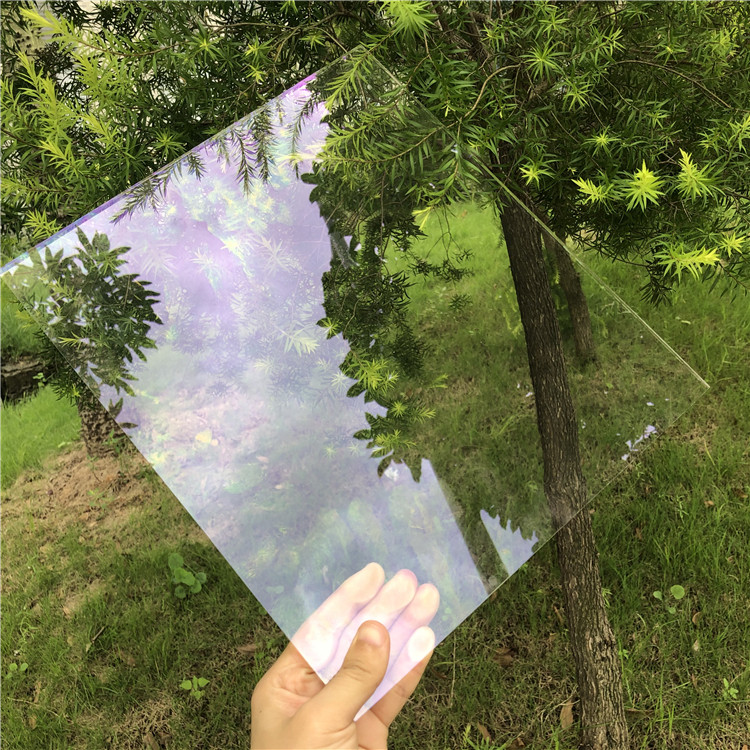
High-transmittance Anti-Reflection (AR) Coated Optical Glass
AR-coated optical glass for display windows, sensor covers and instrument glass where reflection control, clarity and coating durability matter.
View product
White Ceramic Glass-Ceramic, 4mm & 6mm, High Temperature Resistant Glass-Ceramic
White glass-ceramic in 4 mm and 6 mm for high-temperature appliances, lighting, industrial viewports and heat-resistant cover applications.
View product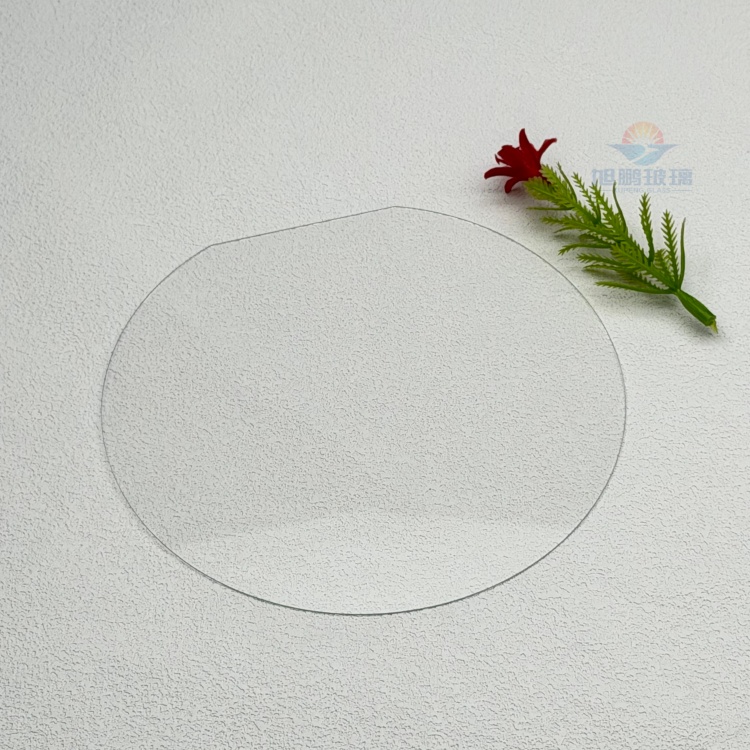
Round Aluminosilicate Glass with Chamfered Ground Edges and Metal Coating
Round aluminosilicate glass with chamfered edges and metal coating for instrument windows, sensor covers and vacuum or sealed assemblies.
View product
High-transmittance AR Coated Optical Glass, Ultra-clear Tempered Glass
Ultra-clear tempered glass with AR coating for control panels, kiosks, all-in-one PCs and display covers that need high transmission and low reflection.
View productWhat Columbus buyers are really searching for when they compare silk-screen glass exporters
The title phrase combines three purchase signals: a manufacturing process, a supply role and a geographic market. The strongest RFQs turn that phrase into a specification-led sourcing plan.
Search intent is not “any glass supplier.” Columbus, Ohio buyers use this query when they need repeatable silk-screen printed glass, tempered cover glass, AR/AG display glass or specialty substrates from a factory-direct exporter or wholesale partner. They are usually trying to reduce supplier count, shorten the approval cycle and protect an assembly line from breakage, color variation and late freight.
Central Ohio’s economy spans appliance and HVAC suppliers, distribution and logistics, healthcare and university research, retail and hospitality, commercial construction, and emerging mobility and EV infrastructure. Each use case changes the acceptance criteria. Printed control panels need ink durability and crisp legends. Kiosks need AR/AG readability under bright lighting. Instrument windows need edge quality and dimensional control. Warehouse equipment needs impact resistance and packaging that survives parcel or LTL handling.
The most reliable sourcing approach is a specification-led RFQ: define the substrate, thickness, temper, edge profile, hole and cutout tolerances, print side, ink system, coating targets, packing method, destination ZIP and acceptance plan. Then compare suppliers on total landed cost, engineering responsiveness and batch consistency—not simply the lowest piece price.
AUVE’s advantage is not one catalog item. It is the ability to review a drawing, choose a manufacturable process route, and keep the approved sample and production batch aligned. That is the practical meaning of “trusted” for Columbus buyers: fewer surprises between prototype, pilot and repeat wholesale supply.
Columbus custom-glass RFQ priorities
Illustrative priority index based on common custom-glass project questions; not a statistical survey.
A low piece price can hide freight damage, color rework, delayed approvals and line downtime. Use the RFQ to expose those costs before the PO.
Three glass programs that fit Columbus OEM, fabricator and wholesale demand
For distributors, OEMs and fabricators, the most efficient quote request is a program—not a one-off part. These three structures match the strongest local demand signals in central Ohio.
Silk-screen printed control panel and appliance glass
Low-iron tempered glass with high-temperature ceramic ink is often the right base for appliance interfaces, HVAC controllers, lab equipment, kiosk fascias and switch or socket covers. Specify print side, ink opacity, dead-front behavior, IR windows, touch-sensor compatibility, edge quality and cleaning chemical exposure. Color approval should happen on a physical sample under agreed lighting.
AR/AG display glass for retail, kiosks and instrumentation
AR coating can reduce surface reflection and improve contrast; AG etching can diffuse glare in bright retail, lobby and industrial HMI environments. Buyers should confirm transmission, reflectance, haze, gloss, coating durability, and whether the part will be tempered or printed. Combining print, AR/AG and tempering in one supply route reduces handling risk.
Specialty material pilot for semiconductor, photonics and flexible display
Corning EXG, SCHOTT ultra-thin glass, quartz, sapphire, K9, aluminosilicate, ceramic glass-ceramic and 0.03 mm flexible glass serve research and product-development teams that need traceable pilot quantities. Provide material grade, thickness, surface finish, flatness, coating and cleaning requirements. Brand references describe materials that can be processed or sourced to specification; final grade is confirmed by drawing and purchase specification.
Where these glass products are specified in and around Columbus
The Columbus market is not a single industry. The same silk-screen glass platform can support many applications, but the acceptance criteria change by environment.
Appliance, HVAC and building controls
Central Ohio has a broad base of appliance, HVAC and building-automation suppliers. Printed glass control panels require crisp legends, scratch resistance and color stability under cleaning agents. Specify glass thickness, temper, print side, IR windows, dead-front graphics and edge quality before tooling.
Retail, grocery, restaurant and brand signage
Columbus retail centers, grocers and restaurant groups use display glass, light boxes, menu boards and kiosk covers. AR/AG treatment improves readability under bright store lighting; silk-screen borders can hide mounting frames and create clean apertures for displays or sensors.
Healthcare, university and laboratory equipment
Hospitals, research teams and university laboratories need instrument windows, sensor covers, fume-hood indicators and optical substrates. Documented dimensional inspection, material traceability and clean packing often matter more than a generic wholesale price.
Logistics, warehouse and industrial automation
Rickenbacker and the I-70/I-71 corridor support large distribution operations. HMI covers, scanner windows, warning displays and welding filter glass need impact resistance, clear viewing and packing that survives parcel or LTL handling. A fragile-glass supplier should be judged on packaging discipline as much as glass cutting.
Commercial interiors and architectural features
Office lobbies, showrooms and hospitality projects use painted, low-iron, mirror and printed glass for partitions, elevator surrounds and displays. When safety glazing is specified, confirm the applicable code, test standard and marking requirements before placing the order.
EV charging, mobility and smart devices
New mobility and smart-device projects often need thin glass, AR-coated windows and low-iron covers. Early engineering review reduces risk from holes, step edges, coating compatibility and cleaning processes. Prototype and pilot quantities can be discussed before a wholesale release.
Development trends shaping glass procurement in the Columbus market
Columbus buyers are under the same pressure as the wider Midwest: fewer suppliers, more documentation, tighter delivery windows and higher expectations for optical and printed-glass performance.
Vendor consolidation and inventory planning
Buyers are reducing the number of fabricators to simplify quality audits, freight scheduling and supplier management. A factory-direct partner that can coordinate tempered, printed, coated and specialty glass can lower administrative cost and keep material lots more consistent.
Optical performance is no longer premium-only
AR/AG is moving from high-end displays into routine kiosks, medical monitors, smart appliances and industrial HMIs. Specify reflectance, haze, gloss, transmission and coating durability against agreed methods—not merely a color reference.
Printed glass as a durable interface
Ceramic ink fused into glass remains legible after cleaning, UV exposure and abrasion. Buyers increasingly combine multi-color printing, gradient ink, dead-front graphics, IR windows and touch-sensor compatibility in one part.
Freight resilience and packaging engineering
Central Ohio’s distribution network rewards suppliers who use export-grade packing for fragile glass. Crates, corner foam, interleaving film, lot labels and moisture control can matter as much as the glass price when a line is waiting for parts.
How AUVE Glass supports a wholesale glass program for Columbus buyers
Dongguan AUVE Glass Co., Ltd. is a deep-processing manufacturer that integrates R&D, design, production and export in Songshan Lake, Dongguan. The public supplier profile gives buyers checkable evidence before an RFQ.



AUVE processes flat and curved tempered glass, ultra-clear low-iron glass, laminated and painted glass, LCD and touch cover glass, smart control panel glass, LED lighting glass, instrument glass, AR high-transmittance glass, AG anti-glare glass and silk-screen printed glass. The specialty portfolio also includes K9, quartz, sapphire, borosilicate, Corning EXG, SCHOTT ultra-thin and ultra-thin flexible glass.
The company operates with a 51–100 person team and a 1,001–2,000 m² facility. Its public profile covers onsite verification, credit index, transaction level, trade capacity, trade history and buyer reviews. Export experience includes the United States, Canada, Russia, South Korea, Japan and Australia—evidence that the export packing and documentation workflow is built for international buyers, not only domestic shipments.
The working philosophy—“focusing on high-end glass, pioneering and innovating”—matters to procurement because it drives drawing review, process investment and special-material handling. The objective is a stable approved sample, a documented process route and export packing that protects the parts until they reach a Columbus warehouse or production line.
Corning EXG and SCHOTT are trademarks of their respective owners. References describe materials that can be processed or sourced to buyer specification and do not imply endorsement.
Drawing-led manufacturability review
CAD, DXF or PDF drawings are checked for thickness, tolerance, edge and corner details, hole positions, print side, coating targets and packing. Issues are flagged before production.
Multiple processes under one roof
Cutting, CNC edging, drilling, tempering, silk-screen printing, AR/AG coating and QC are coordinated to reduce vendor handoffs, handling risk and approval delays.
Verified supplier transparency
Buyers can review onsite status, credit index, transaction level, trade capacity, trade history and buyer reviews before sending an RFQ. Verification shortens due diligence.
Export terms and fragile-glass packing
FOB, CFR, CIF, EXW, DDP, DDU, DAF and express delivery are supported. Protective film, foam corners, reinforced cartons or fumigation-free wooden crates help protect glass in transit.
Six quality gates from raw glass to export carton
Each step is coordinated in-house so tolerances, printing, coating and packing are reviewed as one manufacturing route rather than isolated operations.
RFQ and drawing review
Engineers confirm material, thickness, tolerance, print side, coating, edge, hole and packing requirements. Manufacturability issues are flagged before tooling or material release.
Cutting and CNC processing
Automatic and CNC cutting, edging, beveling, drilling, grooving and hole placement are completed to the approved drawing.
Tempering and heat treatment
Flat and curved thermal tempering supports impact and thermal resistance. Process parameters are selected according to glass type, thickness and part geometry.
Silk-screen printing and coating
High-temperature ceramic ink, logos, windows, dead-front graphics and IR apertures are printed as agreed. AR, AG, mirror and functional coatings are controlled to the approved sample.
Inspection and batch traceability
Dimensional, visual, edge, print and coating checks are compared against the approved sample and drawing. Batch labels help keep production records traceable.
Export packing and documentation
Interleaving film or paper, foam corner protection, reinforced cartons or crates and packing labels are selected for fragile glass shipments to the United States.
Freight, documentation and packaging for Columbus, Ohio
For glass, freight is part of product quality. A well-made part that arrives chipped or late is still a failed delivery.
Incoterms and routing
Provide destination ZIP, delivery site type, required date and whether inside delivery is needed. Compare FOB, CFR, CIF, EXW, DDP, DDU, DAF and express options. Samples often move by express; volume orders may use sea or air freight with truck delivery to Columbus.
Fragile-glass packing
Discuss protective film or interleaving paper, foam corners, reinforced cartons or fumigation-free wooden crates, batch labels and packing lists. If parts will move by parcel, LTL, air or sea, state that in the RFQ so packing can be designed for the route.
Total landed cost and documentation
Compare quotes using total landed cost: piece price, export packing, freight, customs, delivery access, potential rework and line downtime. Confirm commercial invoice, packing list, material or coating declarations as agreed, and any required traceability labels before shipment.
Frequently asked questions from Columbus glass buyers
Straight answers for procurement, engineering and distribution teams comparing silk-screen glass exporters, custom glass manufacturers and wholesale suppliers.
Can AUVE supply silk-screen glass and custom glass to Columbus, Ohio?
Yes. AUVE exports to the United States and supports Columbus, Ohio and the wider Midwest through express, air and sea freight with FOB, CFR, CIF, EXW, DDP, DDU, DAF or express terms. For a useful quote, send destination ZIP, delivery site type, required date and whether inside delivery is required.
What is silk-screen glass, and what should be on the drawing?
Silk-screen glass uses ceramic ink printed onto glass and fired so the graphic becomes durable. The drawing should define glass type, thickness, print side, ink colors, opacity, windows, dead-front effect, edge profile, holes, coating and packaging. Provide vector artwork and approve a physical sample before mass production.
Can you match a Pantone or brand color?
We can work from Pantone, RAL or supplied color references, but fired ceramic inks can shift with glass tint, ink thickness and lighting. Approval should be based on a physical sample under agreed viewing conditions, not a monitor. For multi-color graphics, specify print order and any translucent or IR-transparent windows.
What is the minimum order quantity for silk-screen or custom glass?
MOQ depends on material and process. Many coated and optical glass parts start from about 10 to 50 pieces, while standard ultra-clear tempered parts often start from 100 to 500 pieces. Sample and pilot quantities can be discussed for new projects; the final MOQ is confirmed after drawing review.
Can you manufacture from CAD, DXF or PDF drawings?
Yes. Include thickness, tolerance, edge and corner details, hole positions, print side, coating target, surface finish and packing requirements. If a feature is critical to assembly, mark it as critical on the drawing. Engineering review happens before quotation and production.
Which standards should a Columbus buyer reference for safety glazing or tempered glass?
Project teams commonly reference ASTM C1036 for flat glass, ASTM C1048 for heat-treated glass and ANSI Z97.1 or CPSC 16 CFR 1201 for safety glazing where applicable. The purchaser and authority having jurisdiction must confirm the final code path, marking and test evidence. AUVE can review your stated requirements and process to the approved specification.
How do you control print and coating quality?
We work from an approved sample and the production drawing. Controls can include dimensional checks, visual print inspection, edge inspection, coating appearance and batch labeling. For optical coatings, agree the test method and target values for transmission, reflectance, haze or gloss before production. Requirements not written into the specification cannot be assumed.
What lead time should a Columbus buyer plan for?
Technical inquiries average a response within 7 hours. Production lead time depends on material availability, thickness, tempering, printing, coating, quantity and packing. New programs should include sample approval and a pilot run before mass production, especially when color, optical performance or tight tolerances are critical.
How is fragile glass packed for export?
Standard precautions include protective film or interleaving paper, foam corner protection, reinforced cartons or fumigation-free wooden crates, batch labels and packing lists. Tell us if parts will move by parcel, LTL, air or sea, and whether you need moisture protection or custom pallet dimensions.
Which Incoterms and shipping methods do you support?
We support FOB, CFR, CIF, EXW, DDP, DDU, DAF and express delivery. The right term depends on your customs setup, destination and risk tolerance. For first orders, many buyers request a DDP or DDU quote plus a FOB comparison so they can evaluate total landed cost.
Do you supply materials beyond standard silk-screen glass?
Yes. The portfolio includes Corning EXG wafers, SCHOTT ultra-thin optical sheets, 0.03 mm flexible glass, high-transmittance AR glass, white ceramic glass-ceramic, round aluminosilicate glass with metal coating and ultra-clear tempered glass. Material references are confirmed against the drawing and purchase specification.
How do I request an engineering review?
Send your drawing, quantity, target date, destination ZIP and any standards or color references. We will review manufacturability, propose the process route, and respond with questions or a quotation. Use the inquiry button on this page or email info@auveglass.com.
Send your drawing for a Columbus-ready glass quotation
Share the part drawing, quantity, destination ZIP and target date. Our team will review material, edgework, printing, coating and export packing, then confirm the next step. Average technical response: ≤7 hours.
Send an Inquiry Or email info@auveglass.com with your drawing and RFQ details.