Touch Control Glass Manufacturer & Wholesalers in Tokyo
Engineering-led touch control glass sourcing for Tokyo OEMs, system integrators and wholesalers — AR, AG, tempered, printed and optical glass made to drawing.
8 Touch-Control & Optical Glass Products for Tokyo Sourcing
These are production-ready glass families from Dongguan AUVE Glass Co., Ltd. For Tokyo buyers, they cover touch panel cover glass, HMI windows, AR/AG display glass, heat-resistant viewports, thin optical substrates and precision instrument glass.
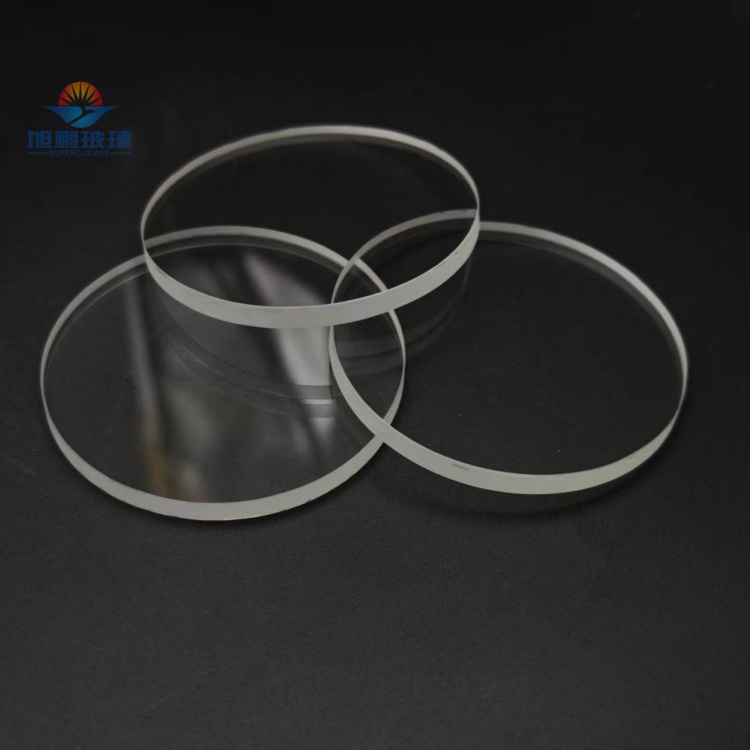
K9 Optical Glass (K9 Crystal Glass) for Optical Instruments
K9 crystal glass for lenses, prisms, inspection windows and compact optical assemblies where clean transmission and stable polishing matter.

High-transmittance Anti-Reflection Coated Glass
AR coated glass helps reduce surface reflection on touch displays, AIO PCs and instrument windows so text and graphics stay crisp under bright lighting.

High-transmittance AR Coated Optical Glass, Ultra-clear Tempered Glass
A strong fit for edge-to-edge touch covers and premium control panels that combine low-iron clarity, impact resistance and anti-reflective performance.
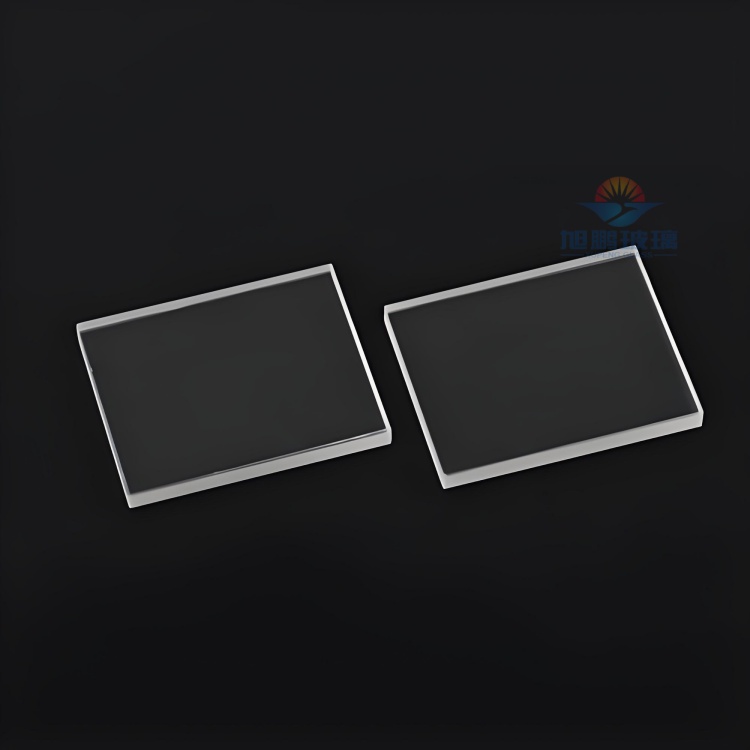
Tempered Glass Customized High Temperature Resistant, High Transparency and High Borosilicate Mirror Window Glass
High borosilicate window glass for equipment with thermal load, laboratory viewports and control surfaces that need clarity plus heat resistance.

Schott Ultra-thin Optical Glass Sheets, 0.1mm, 0.5mm, 0.7mm, 1.1mm, Raw Semiconductor Electronic Glass Substrates
Thin optical and electronic glass substrates for compact optical stacks, sensors, wafers and miniaturized HMI structures.
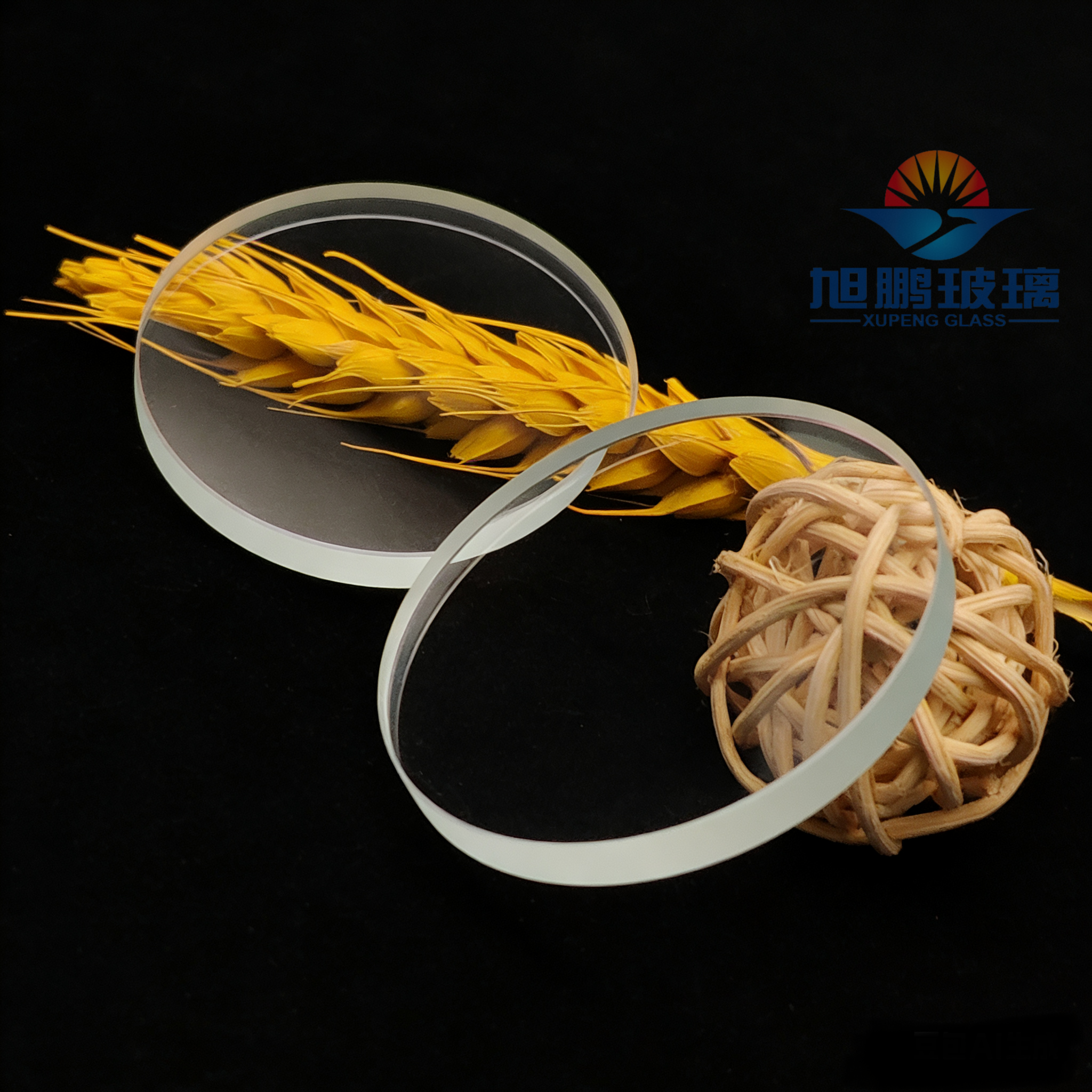
Low Iron Round High Transmittance Tempered Glass Panel with Precision Polished Edges, Flat Clear Glass
Round and shaped low-iron tempered panels for design-led control dials, display bezels, appliance interfaces and clear cover glass.
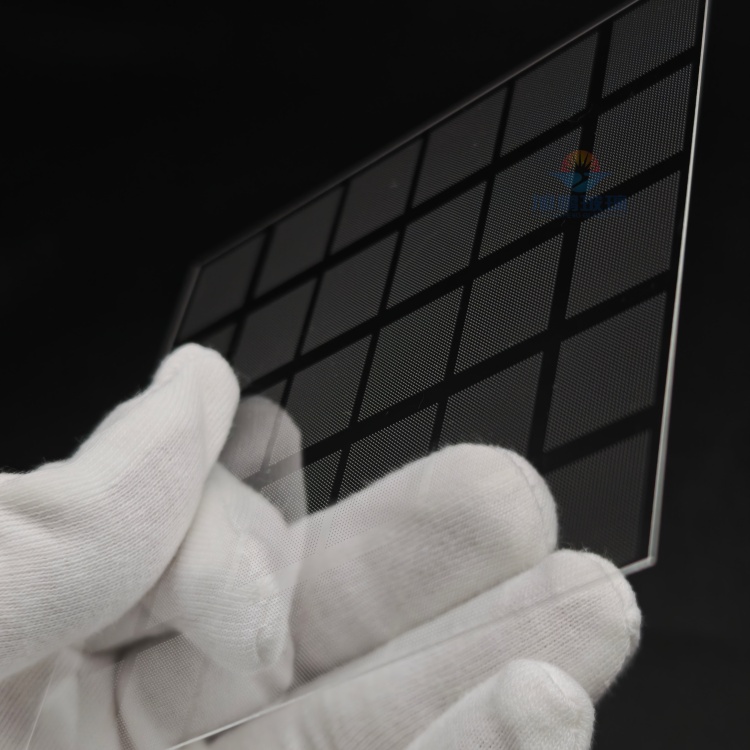
TGV Drilled Packaging Glass Substrate, Precision Laser Microvia Glass
Laser-drilled TGV glass substrates for advanced packaging, sensing and semiconductor-related R&D where precise microvia geometry is important.
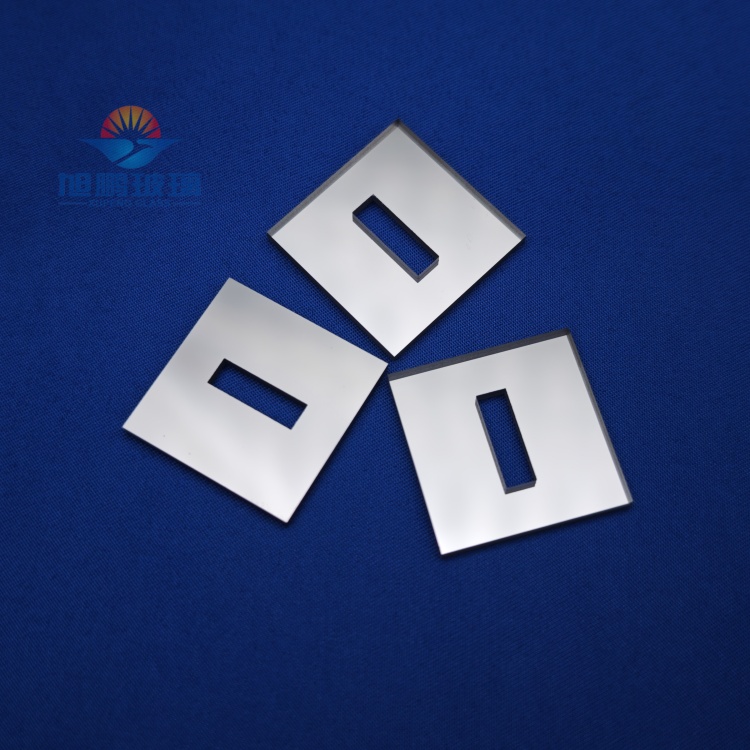
Silver-coated Mirror, Grooved at the Center of Glass
Center-grooved silver mirror glass for optical sensing, decorative control surfaces and instrument assemblies requiring a reflective reference.
Verified Signals for Tokyo Procurement Teams
Tokyo buyers rarely purchase glass as a commodity. They evaluate process control, drawing communication, packing discipline and supplier traceability before approving a sample or pilot lot.
Where Touch Control Glass Has to Perform in Tokyo
Tokyo is a dense, design-conscious and technically demanding market. Touch control glass is used across offices, transport, retail, laboratories and premium residential spaces, often under mixed lighting and high daily use.
Transit & Ticketing Interfaces
Ticket machines, station kiosks and wayfinding panels need scratch-resistant cover glass, stable touch sensitivity and AR or AG treatment for bright concourse lighting. Edge quality and flatness matter because the glass sits flush with the display module.
Office & Co-working Displays
Tokyo offices use all-in-one PCs, meeting-room panels and reception displays. AR coated glass improves contrast and reduces reflections from ceiling lights, while low-iron tempered glass supports a clean, neutral visual appearance.
Retail, Showroom & Signage
Window displays, retail kiosks and digital signage often face strong ambient light. AG anti-glare glass and AR-coated optical glass help balance legibility, color fidelity and fingerprint visibility in high-traffic locations.
Instruments, Labs & Medical
Analytical instruments, industrial HMIs and laboratory viewports require optical clarity, heat resistance and precise edges. K9, borosilicate, quartz and sapphire options support different optical and temperature requirements.
Tokyo Touch-Control Glass Trends Shaping 2025–2026 Programs
Japanese procurement expectations are not only about price. Projects increasingly reward suppliers who can document material choices, control cosmetic defects and ship fragile glass with reliable protection.
Edge-to-edge, Flush Design
Industrial design teams in Tokyo are pushing slimmer bezels and flush glass surfaces. This raises expectations for edge polishing, hole geometry, flatness and print registration before the touch module is bonded.
AR and AG Combination
High-brightness displays need anti-reflection performance, while lobby and transit installations need anti-glare diffusion. Selecting the right combination avoids washed-out color and visible sparkle.
Smaller Pilots, Faster Iteration
New product teams in Tokyo often begin with a sample, a design-validation batch and then move to mass production. A supplier that can discuss pilot quantities and draw feedback into the process reduces re-sourcing risk.
Traceable Inspection
Procurement teams request batch labeling, visual criteria and agreed measurement methods. Dimensional checks, coating appearance and edge chipping standards must be clear before shipment.
Mixed Glass Consolidation
Wholesalers prefer to consolidate tempered cover glass, AR windows and optical components with one qualified partner where possible, reducing inspection touchpoints and document duplication.
Protective Packing as a Requirement
For fragile glass imported to Japan, interleaving film, corner protection, foam separation and reinforced export packing are not optional extras. Arrival condition is part of the quality equation.
Which Touch Control Glass Should Tokyo Buyers Shortlist?
Use this practical matrix to match the human-machine interface, display environment and production stage to the right glass construction.
Bright office HMI
Recommended: ultra-clear tempered glass with AR coating.
Why: maintains contrast under ceiling lights and reduces ghost reflections.
Start with: High-transmittance AR coated tempered glass.
Outdoor-adjacent kiosk
Recommended: AG anti-glare or AG+AR cover glass with flat tempering.
Why: diffuses strong highlights and keeps touch surfaces readable in lobbies and concourse areas.
Discuss: haze level, gloss target and print window.
Appliance or switch panel
Recommended: low-iron tempered glass with silk-screen printing.
Why: delivers a clear base color, durable graphics and cut-outs for switches or sensors.
Start with: Low-iron tempered glass panel.
Instrument view window
Recommended: K9, borosilicate, quartz or sapphire depending on optical and thermal needs.
Why: each material solves a different constraint — refractive quality, heat shock, UV transmission or scratch resistance.
Start with: K9 optical glass.
Thin display stack
Recommended: ultra-thin optical glass substrates.
Why: supports compact optical assemblies and space-constrained electronic designs.
Start with: Schott ultra-thin glass sheets.
Advanced packaging R&D
Recommended: TGV laser-drilled glass substrates.
Why: microvia glass is relevant for semiconductor-related development and advanced sensing.
Start with: TGV drilled glass substrate.
What Tokyo Engineers Should Confirm Before Tooling
Touch control glass failures often come from details that are easy to miss in a quotation: print registration, coating side, edge chip allowance, flatness after tempering, or packing contact points.
A practical pre-production checklist
- Drawing package: provide CAD, DXF or PDF with thickness, overall size, corner radius, hole position, edge profile and tolerance stack.
- Optical target: define whether AR is needed on one side or both sides, and confirm the viewing side before coating.
- Glare and touch feel: for AG glass, agree on haze, gloss and surface appearance using a sample or boundary sample.
- Print requirements: specify ink color, window openings, icon registration, IR-transparent areas and whether printing sits inside or outside the touch stack.
- Thermal and strength needs: confirm whether the part needs flat or curved tempering, borosilicate, quartz, sapphire or another substrate.
- Inspection criteria: agree on visual acceptance, edge chip limits, scratch limits, packing method and batch traceability before mass production.
Typical reference signals for early material selection
Reference values only. Final specification must be confirmed against the drawing and agreed test standard.

A Factory-Direct Deep-Processing Partner for Tokyo Buyers
Dongguan AUVE Glass Co., Ltd. integrates R&D, design, production and export in Songshan Lake, Dongguan — one of China’s electronics and optoelectronics clusters. For Tokyo OEMs, brand owners and wholesalers, this means a supplier that can discuss material selection, glass processing and export packing together rather than quoting a catalogue item without engineering context.
The company processes flat and curved tempered glass, ultra-clear low-iron glass, laminated and painted glass, AR anti-reflective glass, AG anti-glare glass, silk-screen printed glass, touch screen and LCD cover glass, LED lighting glass, instrument glass, and optical materials such as K9, quartz, sapphire, borosilicate and Corning EXG alkali-free glass.
Guided by the philosophy of “focusing on high-end glass, pioneering and innovating”, AUVE continues to invest in engineers and equipment so that touch control glass projects can be reviewed for manufacturability before production. Tokyo buyers can request a sample discussion, a pilot lot or a drawing review through the inquiry button below.
Reduce Supplier Risk Before You Confirm a Tokyo Program
For B2B glass sourcing, trust should be supported by evidence. These supplier profile areas help procurement teams review legal identity, trading behaviour and export experience.
Onsite-Checked Supplier
Premises and legal status confirmed through third-party onsite verification.
View report →Credit Index
Transparent credit profile built on real trading behaviour and platform records.
Check index →Transaction Level
Verified online transaction records with overseas buyers.
See level →Trade Capacity
Export experience, main markets and production capability.
View capacity →Ratings & Reviews
Buyer feedback on quality, delivery and service performance.
Read reviews →Trade History
Documented shipment history across global markets.
View history →From Raw Sheet to Tokyo-Bound Finished Glass
In-house process control shortens lead times, protects tolerances and lets engineering issues be resolved before they reach the assembly line.
Precision Cutting
Automatic and CNC cutting from float, low-iron, borosilicate and optical glass stock.
CNC Edging & Drilling
Edge grinding, beveling, grooving, holes and laser punching for touch cover assemblies.
Tempering
Flat and curved thermal tempering for impact resistance and thermal durability.
Silk-Screen Printing
High-temperature ceramic inks for logos, windows, icons and appliance-grade graphics.
AR / AG Coating
Anti-reflective, anti-glare, mirror and functional coatings applied to agreed optical targets.
QC & Export Packing
Dimensional, visual and optical checks, then protective packing for fragile glass shipments.

Shipping Touch Control Glass to Tokyo with Fewer Surprises
Glass is fragile, but poor packing and unclear documentation create avoidable delays. AUVE supports flexible commercial terms and protective export packing for B2B glass orders.
Supported Delivery Terms
Choose the Incoterm that fits your Tokyo import process and customs setup.
Fragile-Glass Packing
Interleaving film or paper, foam corner protection, separated layers and fumigation-free wooden crates or reinforced cartons support safer arrival.
Japan & Global Experience
Export markets include Japan, South Korea, the United States, Canada, Russia, Australia and other regions. Tokyo buyers can request packing details before shipment.
Common Questions from Tokyo Buyers
These are the practical questions engineering and purchasing teams ask when sourcing touch control glass from a China-based deep-processing manufacturer.
Are you a Tokyo-based manufacturer or a China factory?
AUVE is a deep-processing glass manufacturer based in Dongguan, China. We support Tokyo OEMs, brand owners and wholesalers as a factory-direct supply partner. If your project requires a local Tokyo stockist or assembly partner, we can work alongside your chosen local channel.
Can you produce touch control glass to our Japanese drawing and tolerance requirements?
Yes. Send a CAD, DXF or PDF drawing with thickness, size, corner radius, holes, edge profile, print and coating requirements. Our engineers review manufacturability before production and can discuss critical dimensions, inspection method and boundary samples before a pilot lot.
What is the minimum order quantity for touch cover glass?
MOQ depends on material and process. Many coated and optical glass parts start from 10 to 50 pieces, while standard ultra-clear tempered parts often start from 100 to 500 pieces. Sample and pilot quantities can be discussed for new Tokyo projects, especially during design validation.
How do you handle AR and AG coating selection?
AR reduces surface reflection and is often used for high-contrast displays and instrument windows. AG diffuses glare and is often used for kiosks and bright environments. The two can be combined when the optical target requires it. Please specify viewing side, haze or gloss preference and whether the glass will be bonded to a sensor.
Which shipping methods and Incoterms are suitable for Tokyo?
We support FOB, CFR, CIF, EXW, DDP, DDU, DAF and express delivery. The right choice depends on order size, fragility, customs arrangements and required lead time. For samples and small pilot lots, express or air freight is common; for repeat production, sea or consolidated freight can be evaluated.
How do you protect glass from scratches and edge chips during export?
Packing can include interleaving film or paper, foam corner protection, separated layers, batch labeling and reinforced cartons or fumigation-free wooden crates. For Tokyo deliveries, packing method should be agreed before shipment, especially for polished edges, printed surfaces and coated sides.
Can you support wholesalers consolidating several glass types?
Yes. AUVE processes tempered, ultra-clear, AR/AG coated, printed and optical glass. A Tokyo wholesaler can consolidate multiple glass items for the same project or customer group, subject to material and process compatibility. Sharing the full BOM early helps us suggest a practical production and packing plan.
What should we send for a fast quotation?
Send the drawing, material preference, thickness, quantity, surface finish, edge requirement, print artwork if applicable, coating target, inspection standard and delivery destination in Japan. Including the end application — for example kiosk cover glass, AIO PC cover, instrument window or switch panel — helps our engineering team recommend the right process route.
Have a Drawing? Get an Engineering Review for Your Tokyo Project.
Share your size, thickness, tolerance, coating, printing and quantity requirements. Our team will confirm the material, process route and lead time — usually within 7 hours.
Get a Quote