8 Ultra Clear Glass Products for Mexico City Buyers
These eight product routes are practical starting points for Mexico City projects because they cover display clarity, premium interiors, CNC fabrication, lighting, semiconductor packaging and precision optics. Each route can be customised to drawings with specified thickness, tolerance, edge profile, holes, grooves, printing and coating.
 AR display
High-transmittance Anti-Reflection Coated Glass
Best-fit: display windows, vitrines, control panels and premium retail interiors where reflection competes with the object.
View product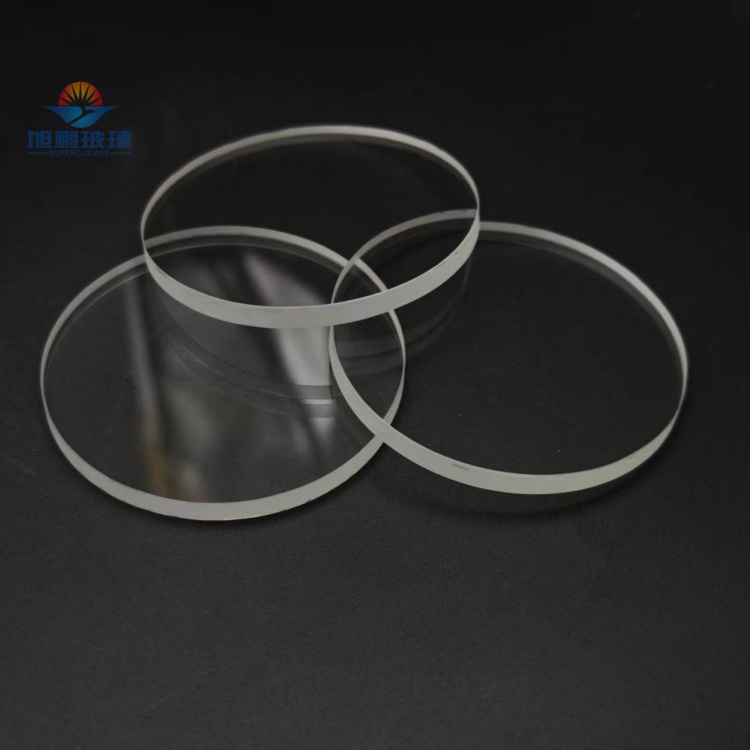 Precision optics
K9 Optical Glass (K9 Crystal Glass) for Optical Instruments
Best-fit: lenses, prisms, instrument windows and laboratory optical assemblies requiring stable clarity.
View product CNC tempered
CNC Carved Low Iron Glass Sheet, High-temperature Screen Printed Tempered Glass, Drilled Glass Panel
Best-fit: appliance panels, architectural hardware and electronic covers requiring holes, grooves and fired printing.
View product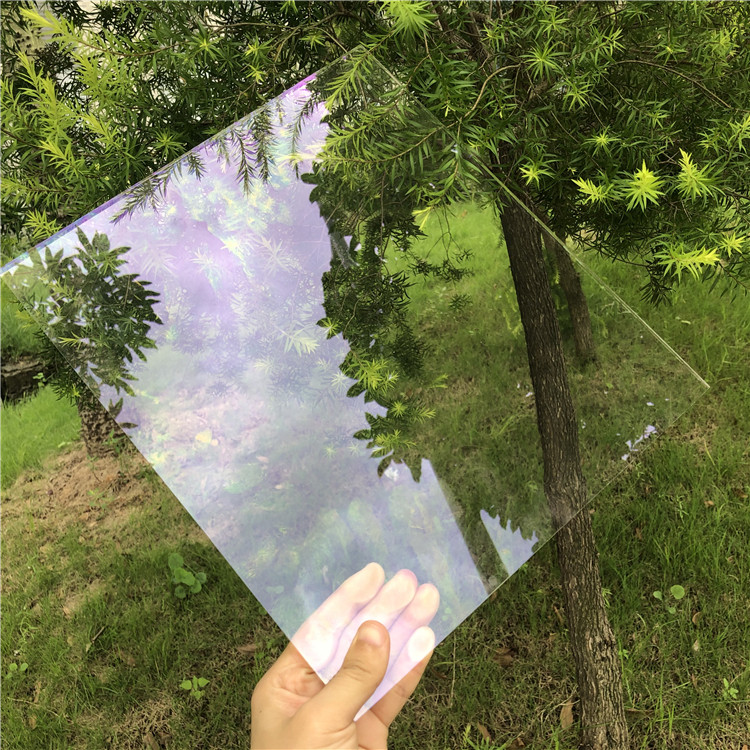 Optical AR
High-transmittance Anti-Reflection (AR) Coated Optical Glass
Best-fit: optical windows, high-contrast display modules and instrument viewports where low reflection is critical.
View product TGV wafer
Schott BF33 TGV Microvia Glass Wafer, Packaging Substrate for Sensors & Chips
Best-fit: sensor packaging, microvia substrates and semiconductor-related glass structures requiring tight process control.
View product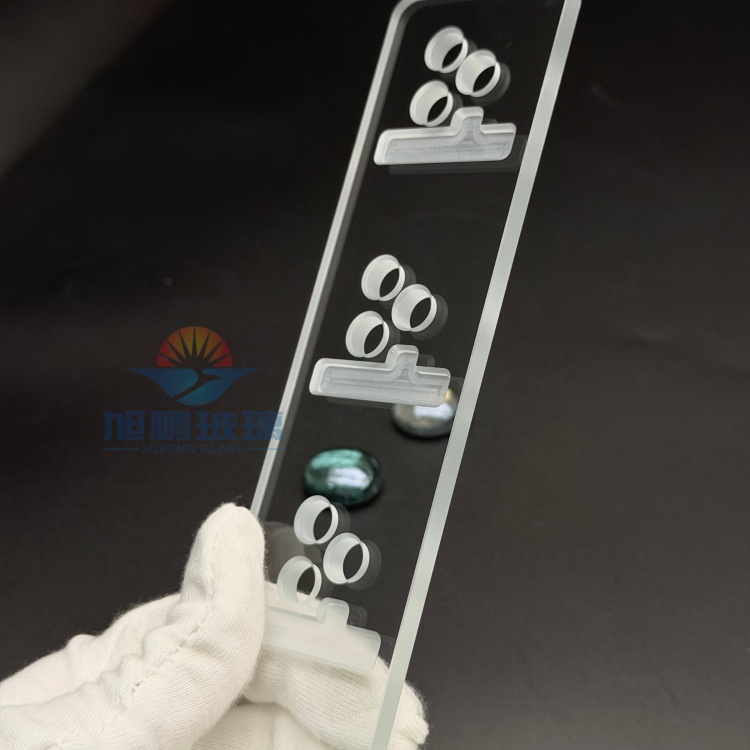 Ultra clear
Ultra Clear High Light Transmission Tempered Glass Panel, CNC Arc Polishing, Drilling & Grooving
Best-fit: premium interiors, lighting fixtures, control panels and architectural components that expose the glass edge.
View product Thin glass
Ultra-thin Optical Glass Sheets Schott B270/D263T Semiconductor Electronic Glass Blank Cutting & Processing
Best-fit: electronic glass blanks, sensor covers, thin optical windows and precision cutting projects.
View product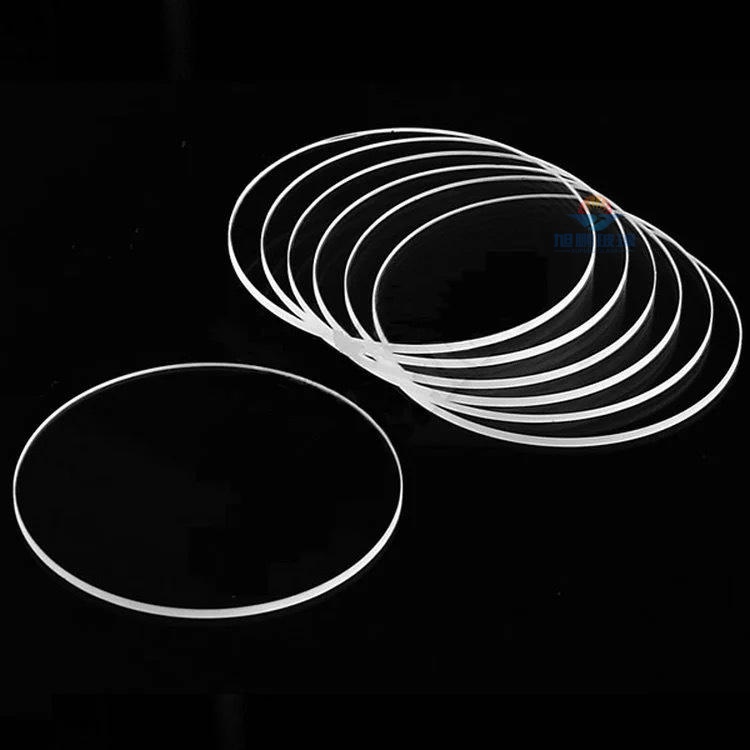 Alkali-free
Corning EXG Alkali-Free Glass, UV High-Transmittance Optical Window Substrate
Best-fit: UV optical windows, semiconductor substrates and high-transmission viewports requiring alkali-free glass.
View productA Mexico City Buyers’ Guide to Ultra Clear Glass Factory Selection
Mexico City is a specification-driven market. The same square metre of glass may be judged by an architect for edge colour, by an electronics OEM for transmission and flatness, by a lighting brand for colour shift, and by a customs team for packing and documentation.
Mexico City concentrates corporate headquarters, architecture and interior design studios, retail groups, museum projects, electronics integrators, laboratories and high-rise residential developments. Buyers in these segments do not purchase ultra clear glass as a generic commodity. They specify optical clarity, edge colour, safety class, coating durability, print opacity, hole position, flatness, packing and documentation. A factory that can cut glass but cannot interpret a drawing is not a complete supplier for this market. A local trader that cannot control tempering, coating or traceability may add hidden risk. The right partner is a factory with process control wide enough to close those gaps before a shipment leaves the production floor.
For international buyers, the lowest unit price is rarely the lowest landed cost. Rejected coating batches, green-tinted edges in high-end interiors, chipped holes after tempering, or a single broken crate can erase the savings from a cheaper quotation. Dongguan AUVE Glass Co., Ltd. reduces this risk by keeping engineering review, CNC processing, tempering, printing, coating, inspection and export packing in one documented flow. This white paper adds practical information that a generic supplier list cannot: localized application scenarios, a material selection matrix, project qualification weights, import-preparation checks and Mexico City FAQ answers.
The recommendation is not to import every glass part from Asia. It is to segment the project. Standard cut-to-size work may stay close to the site; high-specification ultra clear, AR/AG, optical, thin-glass, printed or CNC-critical parts can be consolidated with a qualified factory. This dual-source logic gives Mexico City buyers resilience, design flexibility and a clearer path from prototype to production.
Why Ultra Clear Glass Matters in Mexico City Specifications
Ultra clear glass is also called low-iron glass. Iron oxide in ordinary float glass creates a green edge and absorbs part of the visible spectrum. Low-iron formulations reduce that tint and raise visible light transmission to roughly 91% in typical thicknesses, depending on composition and thickness.
In Mexico City, the effect is strongest in white interior schemes, LED lighting, display windows, brand colour matching and optical windows. A neutral edge protects white stone, warm timber and carefully selected paint palettes from a green cast. In premium retail or museum vitrines, anti-reflective coating reduces reflections so that the object, not the glass surface, becomes the visual subject. In display integration, higher transmission allows AR coating to improve contrast instead of fighting a coloured substrate.
High altitude also means strong daylight and higher UV exposure. This does not automatically mean that every project should avoid low-iron glass. It means the specification should be deliberate. Sensitive museum objects may need laminated UV-filtering interlayers or other protective design measures. Outdoor displays may need AG anti-glare treatment, AR coating, or a combination of both. Optical windows may need quartz, sapphire or alkali-free substrates rather than ordinary tempered glass. The correct answer depends on the application, the cleaning regime, the mounting method and the visual target.
The practical rule for Mexico City buyers is simple: request a sample under the actual lighting, confirm the optical target, and ask the factory how tempering, holes, printing and coating will interact. Clarity is valuable only when it survives processing, packing and installation.
Where Ultra Clear Glass Creates Value in Mexico City Projects
Mexico City is not a single market. It is a network of commercial, cultural, residential, electronic and laboratory buyers with different acceptance criteria. The six scenarios below help sourcing teams translate design intent into a glass specification.
Premium lobbies and corporate interiors
In commercial nodes such as Reforma, Polanco, Santa Fe and Insurgentes, low-iron tempered glass is used for reception cladding, partitions, lift interiors and display vitrines. Neutral edges protect high-end finishes; AR-coated vitrines keep reflections from competing with the interior.
Retail flagships, galleries and museum vitrines
AR-coated ultra clear glass improves object legibility under spotlights and skylights. Buyers should confirm reflected colour, transmission and haze targets with physical samples under the actual lighting, especially for luxury retail and cultural projects.
Display integration and touch modules
All-in-one PCs, kiosks, HMI panels and touch modules benefit from ultra clear substrate plus AR or AG treatment. CNC holes, grooves, edge polishing and silk-screen printing must be reviewed before tempering to avoid stress concentrations.
LED lighting, signage and light boxes
Low-iron glass reduces colour shift in white LEDs and improves perceived brightness in light boxes. Tempered, printed or coated routes can integrate logos, diffusing patterns and invisible fixing holes for hospitality and retail signage.
Appliance and smart control panels
Printed tempered glass covers for switches, sockets and appliances require ink adhesion, heat resistance, cleaning durability and geometry control. Ultra clear base glass keeps white backgrounds neutral and brand colours consistent.
Optical instruments, laboratories and semiconductor fixtures
K9, B270, quartz, sapphire and Corning EXG substrates support lenses, windows, wafers and UV viewports. For Mexico City’s laboratory, university and electronics ecosystem, flatness, scratch resistance and material traceability matter as much as transmission.
Material Selection Matrix for Ultra Clear Glass Buyers
Use this matrix to shortlist the correct material before requesting a quotation. It is not a substitute for a drawing review, but it prevents the most common mismatch between design intent and production route.
| Glass type | Key property, typical | Best-fit Mexico City applications | Available processing |
|---|---|---|---|
| Ultra-clear low-iron tempered glass | ~91% visible light transmission; reduced green edge; tempered strength about 4–5× annealed glass | Corporate interiors, lighting covers, appliance panels, light boxes, premium partitions | CNC cutting, edging, drilling, tempering, silk-screen, AR/AG coating |
| AR anti-reflection coated glass | Surface reflection reduced to roughly 0.5–1% per side depending on design | Display modules, museum vitrines, instrument windows, all-in-one PC covers | Single/double-side AR, tempering, printing, CNC processing |
| AG anti-glare glass | Micro-textured surface diffuses glare; gloss and haze selectable | Outdoor LCDs, industrial HMIs, kiosks, bright retail environments | Etched AG, AG plus AR, tempering, printing |
| Silk-screen printed tempered glass | Fired ceramic ink fused into glass for durable graphics | Appliance panels, instrument faces, switch covers, decorative glass | Multi-colour printing, IR/window ink, holes and cut-outs |
| K9 optical glass | Borosilicate crown glass, refractive index nd approximately 1.5168 | Lenses, prisms, optical instrument windows, laboratory components | Precision polishing, coating, CNC edging |
| Fused quartz glass | High UV transmission and excellent thermal shock resistance | UV curing, disinfection equipment, high-temperature viewports | Thick-gauge cutting, polishing, drilling |
| Sapphire glass | Mohs hardness 9; high-temperature capability | Sensor covers, scratch-critical windows, high-temperature inspection windows | Cutting, polishing, chamfering |
| Corning EXG alkali-free glass | Alkali-free aluminoborosilicate with low CTE, around 3.2 ppm/°C | Semiconductor wafers, MEMS, UV windows, display substrates | Double-side polishing, wafer dicing, edge finishing |
| Ultra-thin flexible glass | Thickness down to 0.03 mm with bendability | Foldable displays, flexible electronics, thin optical stacks | Precision cutting, edge strengthening, thin-film handling |
Typical reference values are for preliminary material selection. Final specifications are confirmed against the buyer’s drawing, agreed test standard and sample approval before mass production.
Project qualification weights for supplier comparison
The bars below are an illustrative weighting model for a Mexico City buyer comparing quotations for a high-specification ultra clear glass project. They are not a statistical market forecast. Adjust the weights to your own project; the value of the model is that it forces the sourcing team to score optical clarity, coating durability, geometry control, packing and supplier verification separately.
Ultra Clear Glass Trends Shaping the Mexico City Market
Mexico City buyers are becoming more sophisticated about glass as an engineered component. The trends below explain why a verified factory route and a drawing-led quotation are becoming more valuable than a generic “supplier list.”
Nearshoring creates dual sourcing
Mexico City buyers increasingly keep local fabrication for fast cut-to-size service while sourcing high-spec coated, printed or optical glass from a factory with controlled processes. This protects schedule flexibility without sacrificing optical performance.
Design-led interiors raise the bar for low-iron glass
Hospitality, retail and residential projects are exposing glass edges more often. A neutral edge and stable colour have become visual requirements, not optional upgrades, especially in projects with white stone, pale timber and custom lighting.
AR and AG become readability requirements
Bright high-altitude daylight and strong interior lighting make reflections more visible. AR coating improves contrast for displays and vitrines; AG treatment diffuses glare in kiosks, industrial HMIs and outdoor-facing screens. The specification should be tested, not guessed.
Verification-first procurement
Procurement teams now ask for onsite verification, credit data, transaction level, reviews and trade history before releasing deposits. These checks reduce supplier risk and make factory-direct sourcing easier to justify internally.
Fragile-goods logistics are part of quality
Glass quality is not complete until the part arrives intact. Interleaving film, foam corners, reinforced crates and batch labelling are now evaluated alongside tolerances and transmission, especially for long-haul Mexico City delivery.
Electronics, laboratories and photonics demand
Central Mexico’s electronics, university and laboratory ecosystem is creating demand for thin glass, alkali-free substrates, K9 optics, quartz windows and sapphire covers. These buyers value documentation and repeatability more than decoration.



Why Dongguan AUVE Glass Is a Practical Factory Partner for Mexico City Buyers
Dongguan AUVE Glass Co., Ltd. is a deep-processing glass manufacturer integrating R&D, design, production and export in Songshan Lake, Dongguan, one of China’s electronics and optoelectronics clusters. Since 2018, the company has served OEMs, brand owners and distributors with flat and curved tempered glass, ultra-clear low-iron glass, laminated and painted glass, LCD and touch-screen cover glass, smart control panel glass, LED lighting glass, instrument glass, AR high-transmittance glass and AG anti-glare glass.
The company’s stated philosophy, “focusing on high-end glass, pioneering and innovating,” is supported by drawing review, process discipline and batch traceability from raw sheet to packed carton. The facility is sized at 1,001–2,000 m² with 51–100 skilled employees, which fits the profile of a focused deep-processing partner. Average response time is within seven hours, a practical advantage when a Mexico City project team is resolving an RFQ across time zones.
For Mexico City buyers, the advantage is consolidation. A single purchase order can cover CNC cutting, edging, drilling, tempering, high-temperature silk-screen printing, AR/AG coating, optical polishing and export packing. This reduces the coordination risk of using multiple small workshops and gives procurement a clearer route for samples, first-article approval and repeat orders.
Check the Supplier Before You Approve the Sample
Mexico City procurement teams can review AUVE’s supplier data before discussing price. These records support E-E-A-T-style due diligence: onsite status, credit, transaction level, trade capacity, buyer feedback and export history.
Onsite-Checked Supplier
Premises and legal status confirmed through third-party onsite verification.
Credit Index
Transparent credit profile built on real trading behaviour.
Transaction Level
Verified online transaction records with overseas buyers.
Trade Capacity
Export experience, main markets and production capability.
Ratings & Reviews
Buyer feedback on quality, delivery and service.
Trade History
Documented shipment history across global markets.
From Raw Sheet to Finished Part: Process Control for Custom Glass
Each step is controlled in-house, which shortens coordination and lets engineers solve manufacturability issues before they reach a Mexico City assembly line.
Precision Cutting
Automatic and CNC cutting from float, low-iron and optical stock according to drawing dimensions.
CNC Edging & Drilling
Edge grinding, bevelling, grooving, holes and cut-outs, reviewed before tempering.
Tempering
Flat and curved thermal tempering for impact and thermal resistance where required.
Silk-Screen Printing
High-temperature ceramic inks for logos, windows, icons and durable panel graphics.
AR / AG Coating
Anti-reflective, anti-glare, mirror and other functional coatings to the agreed optical target.
QC & Export Packing
Dimensional, visual and optical checks, then protective packing for fragile-goods transport.

Sourcing and Shipping Ultra Clear Glass to Mexico City
A strong supplier should help the buyer prepare the commercial and technical details that protect the shipment. Price alone does not show whether a fragile glass order will clear customs, arrive intact and pass first-article inspection.
Factory-direct vs local distributor
For custom parts, compare total landed cost, not unit price. Ask for the material route, coating side, packing method, rework policy and whether the supplier controls tempering and coating in-house.
Accepted delivery terms
AUVE supports FOB, CFR, CIF, EXW, DDP, DDU, DAF and express delivery. The correct term depends on the buyer’s customs setup, forwarder and risk preference.
Safe glass packing
Interleaving film or paper, foam corner protection and fumigation-free wooden crates or reinforced cartons are selected by part geometry and transport mode.
Customs documentation
Prepare commercial invoice, packing list, bill of lading, product specification and inspection records. Work with your Mexican customs broker on classification and any applicable conformity requirement for the end use.
Inspection before shipment
Confirm dimensions, edge quality, hole positions, print alignment, coating appearance and packing photos. A first-article approval process reduces surprises when the shipment reaches Mexico City.
Drawing-led communication
Send CAD, DXF or PDF drawings with thickness, tolerance, edge profile, hole positions, printing colours and coating requirements. The engineering review normally starts from these documents.
Ultra Clear Glass Factory & Supplier FAQ for Mexico City Buyers
These are the questions Mexico City procurement, design and engineering teams commonly ask before requesting a sample or releasing a purchase order.
Can AUVE supply ultra clear glass to Mexico City directly from the factory?
Yes. AUVE is a deep-processing manufacturer and can quote factory-direct ultra clear tempered glass, AR/AG coated glass, printed glass, CNC processed glass and optical glass. For Mexico City, the quotation should include the drawing, quantity, target application, delivery term and required documentation so that material, process route, packing and lead time can be confirmed together.
How do I specify ultra clear glass for Mexico City’s bright daylight?
Start with the application. For museum or retail vitrines, AR anti-reflection coating is usually considered to reduce reflections. For kiosks or industrial displays, AG anti-glare treatment may be more important. For sensitive objects, discuss UV-filtering interlayers or other protective design measures with your engineer. Always approve a physical sample under the actual lighting before mass production.
What is the minimum order quantity for custom ultra clear glass?
MOQ depends on material and process. Many coated and optical glass parts can start from 10 to 50 pieces, while standard ultra-clear tempered parts typically start from 100 to 500 pieces. Sample and pilot quantities can be discussed for new projects, especially when the drawing is still being validated.
Which shipping terms and routes are common for Mexico City glass imports?
AUVE supports FOB, CFR, CIF, EXW, DDP, DDU, DAF and express delivery. Mexico City shipments commonly move through Mexican Pacific or Gulf gateways and then inland by truck, while urgent samples may move by air or express. Your freight forwarder and customs broker should confirm the best route, transit time and insurance for the final project schedule.
How is glass protected during export to Mexico City?
Packing is selected by part geometry and transport mode. Typical measures include interleaving film or paper, foam corner protection, reinforced cartons and fumigation-free wooden crates. Batch labels and packing photos help the buyer trace cartons and inspect the shipment on arrival.
Can you manufacture to my CAD or PDF drawing?
Yes. Send a CAD, DXF or PDF drawing with thickness, tolerance, edge, hole, groove, printing and coating requirements. The engineering team reviews manufacturability before production, covering CNC cutting, edging, drilling, tempering, silk-screen printing and AR/AG coating.
What documentation should a Mexico City buyer request?
Request the commercial invoice, packing list, bill of lading or airway bill, product specification, inspection records and packing photos. For regulated end uses, ask your Mexican customs broker whether any conformity or import documentation applies. Clear technical documents also help your receiving team inspect the shipment against the approved sample.
How quickly will I receive a technical reply?
AUVE’s average response time is within seven hours. Email info@auveglass.com with your drawing, quantity, target application and delivery city so that the engineering and export teams can review material, process, packing and shipping together.
Have a Drawing or a Mexico City Project Schedule?
Send your size, thickness, tolerance, edge, hole, printing and coating requirements. The factory team will confirm the recommended material, process route, packing method and quotation path — usually within seven hours.