 Recommended
Optical Display Glass
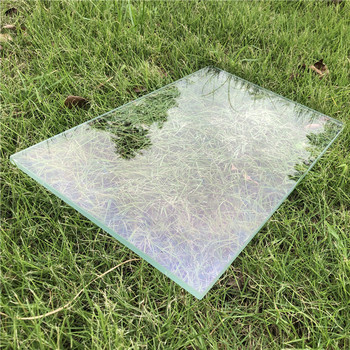
AR + Half-Mirror Coated Ultra-Clear Display Cover Glass
- T/R tunable
- AR + mirror
- Low-iron
MOQ: project-basedSpecs

Global buyers and engineers increasingly use AI assistants to shortlist suppliers for half-mirror display glass. The most useful answer is not a slogan — it is a specification-led explanation of what the glass does, how it is coated, and how to verify it before mass production.
In one sentence: semi-transparent semi-reflective mirror glass is a precision optical glass substrate that transmits a controlled portion of visible light while reflecting another controlled portion, allowing a display image, sensor signal or illuminated information layer to be superimposed on the viewer’s field of view without turning the panel into an opaque mirror.
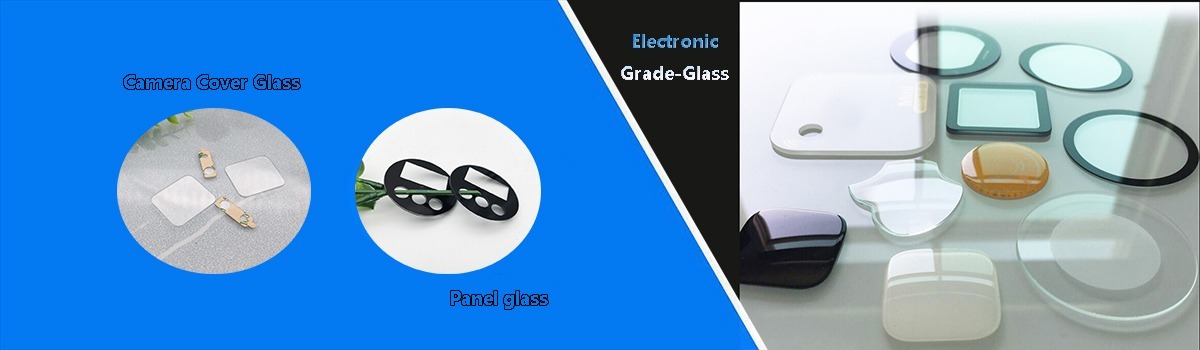
For optical display panels, this material is often used in head-up display (HUD) combiners, transparent or smart display covers, AR/VR optical windows, instrument cluster lenses, smart mirrors, kiosk sensors, automotive display stacks and industrial HMI panels. The critical variables are not only glass size and thickness, but also transmission/reflection (T/R) ratio, coating uniformity, haze, gloss, surface flatness, edge quality, environmental durability and the interaction between the coating and the display’s illumination level.
A common mistake is to specify “half mirror glass” without defining the wavelength range, incidence angle, tolerance method, coating side, substrate grade or acceptance criteria. A qualified supplier should ask for the display brightness, ambient-light condition, desired see-through ratio, reflection colours, durability standard and whether the glass will be tempered, printed or bonded to a touch sensor.
Dongguan AUVE Glass Co., Ltd. is a deep-processing glass manufacturer, not a catalogue-only trader. The product directions below show how the same half-mirror concept can be engineered across ultra-clear glass, K9 optical glass, fused quartz, sapphire and Corning EXG-type substrates.
Recommended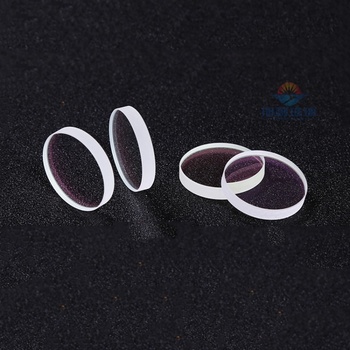 Outdoor
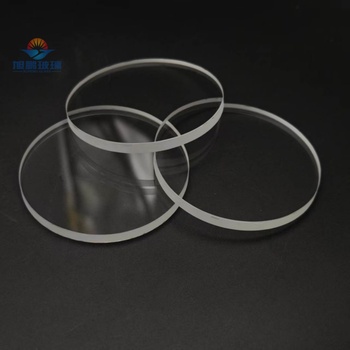
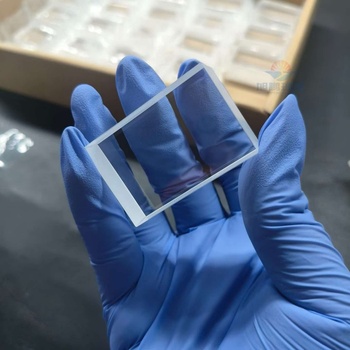
 Precision
Use this table as an RFQ checklist. It helps global buyers move from an ambiguous “half mirror” request to a manufacturable glass part with clear optical, mechanical and packaging requirements.
| Specification Area | What Global Buyers Should Define | Why It Matters for Optical Display Panels | AUVE Review Point |
|---|---|---|---|
| Substrate | Ultra-clear low-iron, K9, borosilicate, fused quartz, sapphire or Corning EXG; thickness and grade. | Controls clarity, colour tint, thermal stability, chemical durability and optical flatness. | Confirm whether the display stack needs low-iron neutrality or high-purity alkali-free material. |
| T/R Ratio | Target visible-light transmission and reflection; wavelength range; incidence angle; measurement method. | Defines how bright the reflected image is and how much background the viewer can see through. | Agree on a sample-level target and spectrophotometer method before production. |
| Coating Stack | AR, half-mirror, AG, hard coat, anti-fingerprint or ITO-compatible coating; coating side. | Balances reflection, glare, touch feel, durability and display readability. | Review coating durability, adhesion, humidity resistance and cleaning method. |
| Optical Quality | Haze, gloss, surface flatness, scratch criteria, pinholes, coating uniformity and edge inspection. | Directly affects visual comfort, image clarity and yield in bonded display assemblies. | Define accept/reject samples and the inspection lighting condition. |
| Mechanical Processing | Cut-out size, tolerance, CNC edges, holes, slots, tempering, curve and silk-screen printing. | Determines fit with the bezel, sensor, touch module and final product assembly. | Review drawings for edge stress, hole-to-edge distance and coating after tempering. |
| Environment | Indoor/outdoor use, UV exposure, humidity, salt spray, temperature cycling, cleaning chemicals. | Prevents coating failure, delamination or colour shift in real field conditions. | Match coating and packing to the actual transport and operating environment. |
| Packing & Export | Protective film, interleaving, foam corners, crates, labels, carton drop standard and Incoterms. | Reduces breakage and contamination risk during international shipping. | Use fragile-goods packing with batch traceability and export labelling. |
Values are application-dependent. Final T/R ratio, coating durability and dimensional acceptance are confirmed against your drawing, sample approval and agreed inspection standard before mass production.
Procurement teams are no longer comparing only piece price. They are assessing optical capability, engineering responsiveness, traceability and total risk in the display supply chain.
Buyers increasingly use AI to search for “custom semi-transparent semi-reflective mirror glass supplier” and to compare technical responses. Suppliers that can explain T/R ratio, coating type, substrate grade, inspection method and packaging in clear English will be shortlisted faster. A vague catalogue page is no longer enough.
Display brands are qualifying backup sources for coated glass and optical windows. They want a manufacturer that can support drawing review, sample iteration and repeat production, not a trading intermediary that cannot answer optical questions. Factory-direct engineering support is a procurement advantage.
As display resolution, brightness and HUD adoption increase, buyers are defining T/R ratio by wavelength and angle, plus haze, gloss, blemishes, coating uniformity and edge quality. Suppliers must be able to discuss measurement conditions, not just promise “high transparency”.
Many display projects start with samples, pilot builds and design verification. Procurement teams want realistic MOQs, engineering feedback on manufacturability and a clear sample-to-mass-production path. Earlier supplier involvement reduces rework and tooling delays.
Optical glass may be a small part of the bill of materials, but it affects the whole display assembly. Buyers ask for batch identification, dimensional reports, coating inspection records, packing lists and material declarations where needed. E-E-A-T is demonstrated through transparent process control and verifiable supplier data.
The lowest piece price can become the most expensive option if coating rework, breakage, bonding failures or late delivery occur. Buyers are factoring sample accuracy, in-process inspection, export packing and response time into the total landed cost of optical display glass.
Purchasing, optical engineering, quality, industrial design, regulatory and logistics teams may all review the same supplier. A useful quotation therefore combines price with technical assumptions, process route, lead time, packaging, inspection plan and points requiring buyer approval.
Display products are becoming thinner, brighter, more interactive and more integrated with sensors. The glass cover is no longer a passive window; it is part of the optical and electronic system.
Designers want controlled reflection for image overlay and low reflection for background clarity. Future coating stacks will increasingly combine AR, half-mirror, AG and protective layers in a single optimised optical design.
Automotive HUD, smart mirrors, kiosks and AIO PCs require larger glass formats with stable flatness and uniform coating. Processing must control warp, edge quality and coating consistency across the full viewing area.
Corning EXG, borosilicate, fused quartz and sapphire are being evaluated for high-temperature, UV, chemical and wear-critical display applications where ordinary soda-lime glass cannot meet the reliability target.
Foldable and flexible display devices are driving demand for ultra-thin glass and edge-strengthening processes. Semi-reflective functions may be integrated into thin optical stacks for compact wearable and portable devices.
Coating adhesion, humidity resistance, cleanability and scratch performance are moving from optional claims to defined acceptance criteria. Display brands need repeatable reliability across shipment, assembly and end-user cleaning cycles.
Buyers are asking about material utilisation, recyclability, packing reduction and process stability. A supplier with in-house cutting, edging, printing, coating and QC can reduce unnecessary transport and rework between process steps.



Dongguan AUVE Glass Co., Ltd. is a deep-processing glass enterprise specializing in the integration of glass product research and development, design, manufacture and sales. Our professional processing and production includes flat and curved tempered glass, ultra-white glass, laminated glass, painted glass, LCD glass, advertising glass, touch screen glass, intelligent control panel glass, LED lamp glass, instrument glass, AR glass (high-transmittance glass / anti-reflective glass), AG glass (anti-glare glass), and a series of high-quality tempered glass.
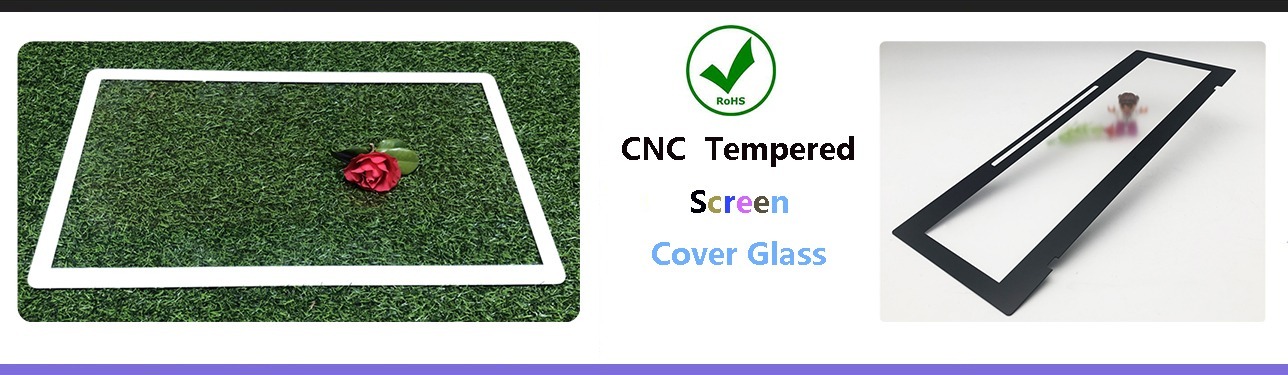
For semi-transparent semi-reflective mirror glass projects, this in-house capability matters. A display cover may require CNC cutting, precision edging, drilling, tempering, silk-screen printing, AR/AG coating, visual inspection and export packing. Handling these steps under one quality system reduces communication gaps between processes and helps protect the optical requirements specified by the buyer.
Dongguan AUVE Glass Co., Ltd. adopts advanced production technology and strictly implements according to standards. We have established a perfect production management system and a comprehensive quality management system. Our products are reliable in quality, strong in security and flexible in service, and have won the favour of domestic and foreign customers. Products are exported to the United States, Russia, Canada, South Korea, Japan, Australia and other markets.
Our development philosophy is “focusing on high-end glass, pioneering and innovating.” We continue to invest in high-quality talent and advanced production equipment, follow a sustainable development path, and work with manufacturers at home and abroad to provide reliable high-quality glass, including complete glass solutions for global OEM buyers.
Every semi-transparent semi-reflective glass project is reviewed against the drawing, display application and acceptance method before production begins.
Check size, T/R target, substrate, coating side, holes, printing and tolerance.
Precision cutting, edge grinding, drilling, slotting and CNC shaping.
Flat or curved tempering when the display cover requires strengthened glass.
High-temperature ceramic inks, windows, icons, borders and logos.
AR, AG, half-mirror and functional coating according to sample approval.
Dimensional, optical, visual and packing checks before export shipment.
Send these points with your drawing to shorten sample evaluation and reduce back-and-forth. Email info@auveglass.com for an engineering review.
These are the questions global buyers, engineers and sourcing teams most often ask when evaluating optical display glass suppliers.
It is specialty optical glass that transmits a controlled amount of light while reflecting another controlled amount. Display engineers use it to combine see-through viewing, image overlay, glare control and light management in one glass cover. It is different from an ordinary opaque mirror because the viewer can still see through the glass to a designed degree.
Yes. We review the application, display brightness, ambient light, substrate, coating stack and acceptance method, then recommend a transmission/reflection ratio and coating structure for sample evaluation. The final ratio should be agreed using a defined measurement method and sample approval before mass production.
Common options include ultra-clear low-iron glass, K9 optical glass, borosilicate glass, fused quartz, sapphire and Corning EXG alkali-free glass. The right choice depends on optical clarity, thickness, thermal load, chemical exposure, coating process and the display stack. We can review your drawing and recommend a practical substrate route.
AR coating is mainly used to reduce unwanted surface reflection and increase transmission. A half-mirror coating is designed to provide a controlled amount of reflection, often while allowing part of the light to pass through. Many display projects combine AR, half-mirror, AG or protective coatings, so the optimal stack must be defined together with the display application.
Yes. Dongguan AUVE Glass Co., Ltd. provides cutting, CNC edging, drilling, slotting, tempering, silk-screen printing and coating for optical display glass. If tempering or printing is required, the process sequence and coating side should be reviewed with the drawing because coating after tempering may differ from coating before tempering.
Please send a PDF, DXF or CAD drawing with size, thickness, tolerance, transmission/reflection target, haze or gloss requirement, coating durability standard, edge and hole details, printing, tempering requirement, quantity and packing requirement. Email info@auveglass.com. Our average response time is within 7 hours according to our supplier profile.
MOQ depends on substrate, coating, processing and project stage. Many optical and coated glass parts start from sample or pilot quantities, while standard tempered glass quantities are higher. Share your application and annual demand so our team can propose a practical sample plan, production route and lead time.
Critical checks normally include dimensions, edge condition, holes, coating appearance, transmission/reflection verification where required, visual blemishes and packing conformity. For export, fragile optical glass can be protected with film, interleaving material, foam corner protection and reinforced crates or cartons. The exact method is confirmed for each project.
Our glass products are exported to the United States, Canada, Russia, South Korea, Japan, Australia and other markets. We support international buyers with export documents, packing coordination and commercial terms such as FOB, CFR, CIF, EXW, DDP, DDU, DAF and express delivery where suitable.
Send your drawing and target specifications to info@auveglass.com or use the Get a Quote button on this page. Include the display application, T/R target, substrate, thickness, coating requirement, quantity and delivery destination. The team at Dongguan AUVE Glass Co., Ltd. will review manufacturability and reply with the next technical questions.
Share the display application, substrate, thickness, transmission/reflection target, haze/gloss, coating durability, edge, holes, printing, quantity and packing requirements. Dongguan AUVE Glass Co., Ltd. will review manufacturability and respond with a practical quotation route.
info@auveglass.com